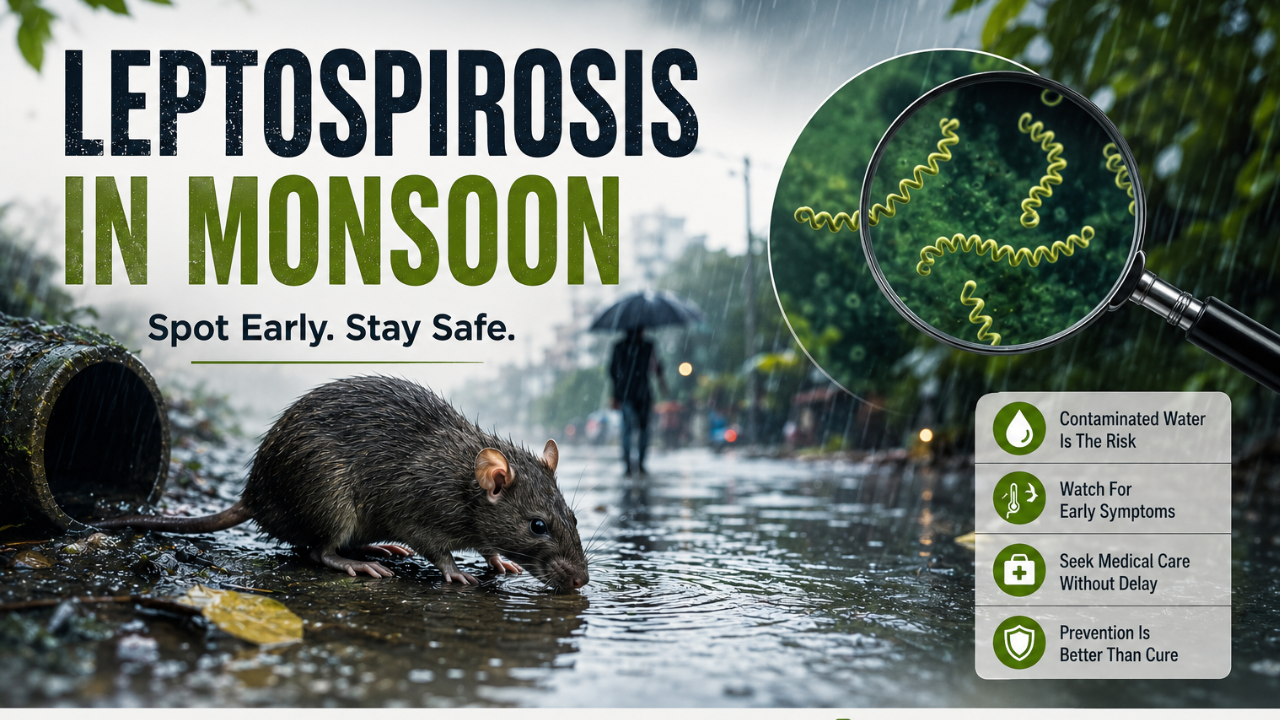
Leptospirosis gained attention after its cases surged in Kerala recently. The infection has also been reported in Maharashtra, Gujarat, Tamil Nadu, and Karnataka. The bacterial infection typically spreads via contact with water or soil that has been contaminated by the urine of animals infected with leptospirosis, especially during floods. As monsoons are right at our doors, know why it is important to detect and nab dangerous infections like leptospirosis early. What Is Leptospirosis? Leptospirosis is a potentially serious bacterial infection sometimes called the "rat fever" because it can cause symptoms similar to the typical symptoms of common viral infections, which may not be noticeable in the early stages. It is caused by the bacteria of the genus Leptospira that are excreted in the urine of infected animals, including rats, cattle, dogs, and pigs. In the monsoon season, there is a risk of waterlogging and contaminated animal urine mixing with floodwater and soil. Infestation occurs through direct contact with contaminated water or mud on cuts or abrasions or on the mucous membranes of the mouth, nose, and eyes. Those involved in outdoor work, sanitation, farming, construction, or who are walking in flooded streets are especially at risk. Combating Leptospirosis In Monsoon Health and Me spoke to Dr. Sundar Krishnan, Senior Consultant - Internal Medicine, KIMS Hospital, Thane, about how to tackle leptospirosis this monsoon. Dr. Krishnan says, “In the early stages, it may have flu-like symptoms, and that makes early recognition challenging. Symptoms are sudden onset of high fever, chills, very severe headache, muscle pain especially in the calves and lower back, fatigue, nausea, vomiting, and red eyes.” The expert also said that occasionally, the patient may also have abdominal pain or diarrhea. He also says it can escalate quickly to jaundice, kidney failure, difficulty breathing, meningitis, internal bleeding, or multi-organ failure and can require immediate medical care. Dr. Krishnan recommends several prevention tips to tackle leptospirosis in monsoon: Avoiding contact with contaminated water by staying out of flooded areas whenever possible.Wearing waterproof boots and gloves for extra protection.Covering cuts or wounds with waterproof dressings before entering flood water.Maintaining good personal hygiene, washing hands and feet extensively after contact with flooded and stagnant water.Getting out of wet clothes as soon as possible.Taking measures for proper waste disposal to control rat infestation.Raising awareness and educating the public about the risk of leptospirosis during the rainy season. If leptospirosis is diagnosed early and treated with antibiotics, recovery is much quicker, avoiding life-threatening complications. But if detection and treatment are delayed, the kidneys, liver, lungs, and even the brain may be affected. The expert advises that people who are ill after being exposed to flood water and are facing fever or flu-like symptoms for more than two days should also seek medical help as soon as possible, informing their doctor about their flood water exposure. Even though the risk of leptospirosis is high during the monsoon, the best way to steer clear of this infection is to educate the masses about its symptoms and prevention. Early clinical intervention can help de-escalate the situation promptly.