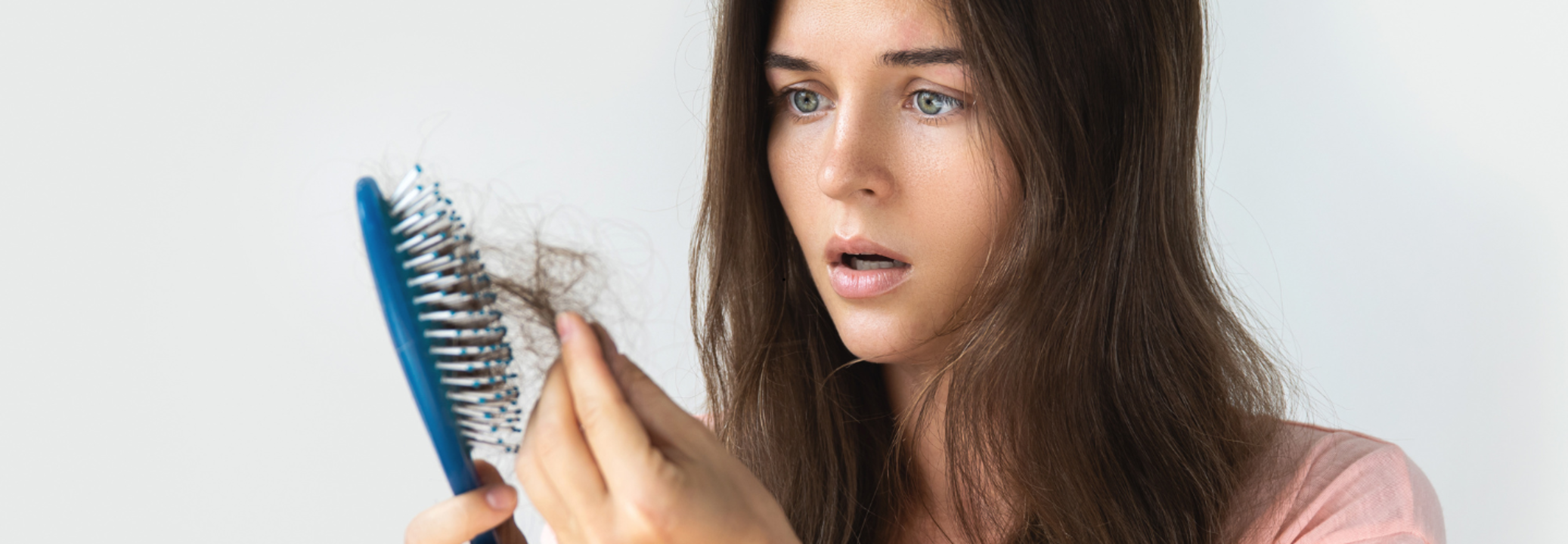
Hair loss is a problem we have all faced in our lives at least once, if not a recurring one. Or we may also know someone who has faced it and continues to face it. While millions of people suffer from this common problem of hair loss, there could be more than one reason for the same. It is true that this could be a frustrating issue to deal with on a day to day basis, furthermore, without the right care, it can even worsen, and affect a person's not just appearance, but health, including mental health. The causes could be many: stress, hormonal imbalance, or other factors like environmental pollutants, etc. To get a better understanding, the Health and Me Team spoke to Dr Prashanth Shetty, who is the principal at the SDM College of Naturopathy and Yogic Sciences. "As seen by our lifestyle, stress is often seen as a contributing factor to hair loss. Our bodies release stress hormones like cortisol in response to emotional or physical stress, and they impact the hair growth cycle," says the doctor.Telogen EffluviumIt is a temporary condition that happens due to stress, where hair follicles in large volumes enter the resting or the telogen phase, prematurely. This results in shedding. "This can be seen even a month later of a stressful event. Luckily, hair regrows after the stress diminishes and the cycle of hair growth returns to normalcy," explains Dr Shetty. Another condition is Trichotillomania. This is a mental illness, where people feel pressured to rip their hair out when they are stressed or anxious. This also manifests as noticeable patches of hair loss, and requires psychological intervention. So, does gender play a role?The doctor explains that the cycle of hair growth is in fact, significantly regulated by hormones. This means that any changes in hormonal levels could lead to hair loss or hair thinning. But, how does gender come to play? Androgenic Alopecia also known to as male or female pattern baldness, where the increase in male hormone dihydrotestosterone (DHT) leads to thinning of hair and ending up in the person being bald, starting at the crown or temples. A similar pattern is seen in Polycystic Ovary Syndrome (PCOS), a hormonal disorder that can cause excessive production of androgens. For WomenWomen undergo major hormonal changes during pregnancy and post-partum period. The lengthening of the hair growth phase, making the hair fuller and thicker, is seen in pregnancy due to high estrogen levels. But, usually after the delivery, shedding of hair speeds up due to a drop in estrogen levels; commonly known as postpartum hair loss, explains Dr Shetty. Thyroid Imbalances, such as both hyperthyroidism and hypothyroidism, can cause hair thinning or loss. The thyroid hormones regulate metabolism and influence the hair growth cycle, so when these hormones are out of balance, hair loss can occur. There can be other factors too, like nutritional deficiencies of iron, vitamin D, zinc, and biotin can weaken hair follicles and lead to hair loss, for which a balanced diet is a must. Certain medications, such as chemotherapy drugs, anticoagulants, and antidepressants, can trigger hair loss as a side effect. Underlying health conditions like alopecia areata (an autoimmune disease) or scalp infections can also cause significant hair loss.