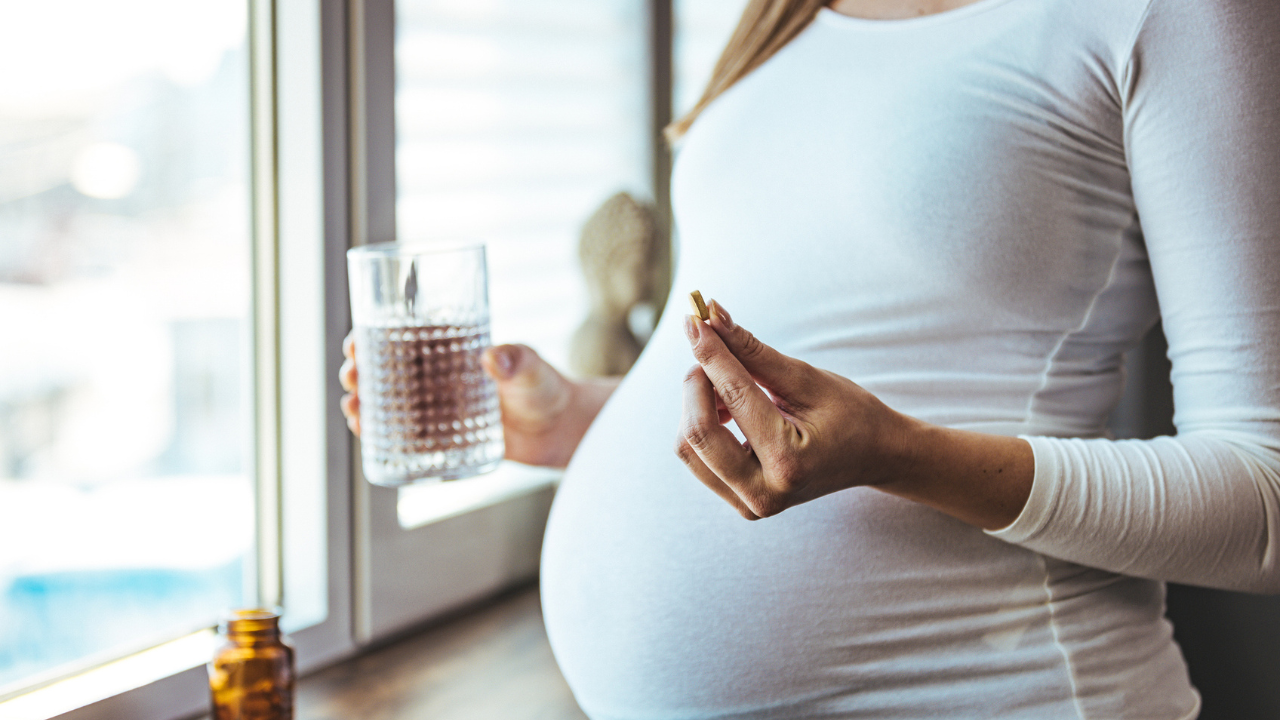
Anemia remains one of the least talked about threats to a safe pregnancy in India. The National Family Health Survey-5 data shows that 52.2% of pregnant women in India were anemic. This translates to at least one in two expectant mothers entering pregnancy with insufficient hemoglobin to meet her own and her baby’s needs. Pregnant women with iron-deficiency anemia may feel unusually tired, weak or short of breath. Some women may suffer from dizziness, headaches, palpitations or reduced ability to concentrate. However, symptoms can be subtle and this is why routine antenatal screening is important even if the woman feels well. Left unaddressed, it raises the risk of preterm birth, low birth weight, postpartum haemorrhage, and maternal fatigue severe enough to affect daily functioning and recovery after delivery. Severe anaemia can also reduce a woman's ability to tolerate blood loss during delivery, making even an otherwise uncomplicated birth potentially more challenging. Why pregnancy makes it worse? Well, blood volume expands by nearly 50% during pregnancy, and the growing fetus draws heavily on maternal iron stores, especially in the second and third trimesters. Most Indian women begin pregnancy with iron stores already depleted by poor dietary intake, frequent pregnancies, or heavy menstrual blood loss. So, the added demand tips many into overt anaemia. Do's:1. Start Antenatal Care early. You should get a baseline haemoglobin test at your first antenatal visit, and repeat this each trimester or more if needed. 2. Iron and folic acid tablets must be taken in accordance with the prescription given. It is best to start with them before conceiving or as soon as possible in the pregnancy process, preferably in discussion. The dietary consumption may not always be sufficient to cater to the increased demands during pregnancy. 3. Pair iron-rich foods with vitamin C. A squeeze of lemon with dal or leafy greens meaningfully improves absorption. Indian gooseberry (amla), guava, oranges and tomatoes improve absorption of non-heme iron from plant based foods.4. Include iron-dense foods regularly like leafy greens, jaggery, dates, legumes, eggs. If non-vegetarian, eat lean meat or fish, meat or poultry. 5. Treat underlying causes. Get heavy periods, worm infestations or unexplained fatigue evaluated before conception if possible. 6. Ask about your ferritin level, not just haemoglobin, since ferritin reveals depleted iron stores earlier. Anaemia is not always caused by iron deficiency. B12 or folic acid deficiency, problems with haemoglobin production, infections, and many other medical conditions can also be contributing factors.Also read: 'My Periods Are Painful' Is Not Always Normal: When Could It Be A Sign of Endometriosis? Don'ts: 1. Do not stop iron supplements simply because you feel better. Treatment usually needs to continue for the recommended period to replenish iron stores. 2. Don't take iron tablets with tea, coffee or milk. These block absorption. Space them at least an hour apart. 3. Do not skip supplements because of nausea or constipation. Ask your doctor for alternate formulations instead of foregoing the supplements. 4. Don't assume fatigue is ‘normal pregnancy tiredness’ without a haemoglobin check. Persistent breathlessness, dizziness or a racing heart need evaluation. 5. Don't self-medicate with over-the-counter iron doses. Both too little and too much iron can cause harm.6. Don't ignore mild anaemia on the assumption that it will ‘sort itself out’. It typically worsens as pregnancy progresses and has to be actively treated. Anemia in women is mostly preventable and treatable early. Regular antenatal check ups, proper supplementation, balanced diet and timely treatment can go a long way in reducing its impact on the mother and baby. The key message is simple, really. Screen early, do not wait for symptoms, treat appropriately and maintain adequate iron stores throughout pregnancy.