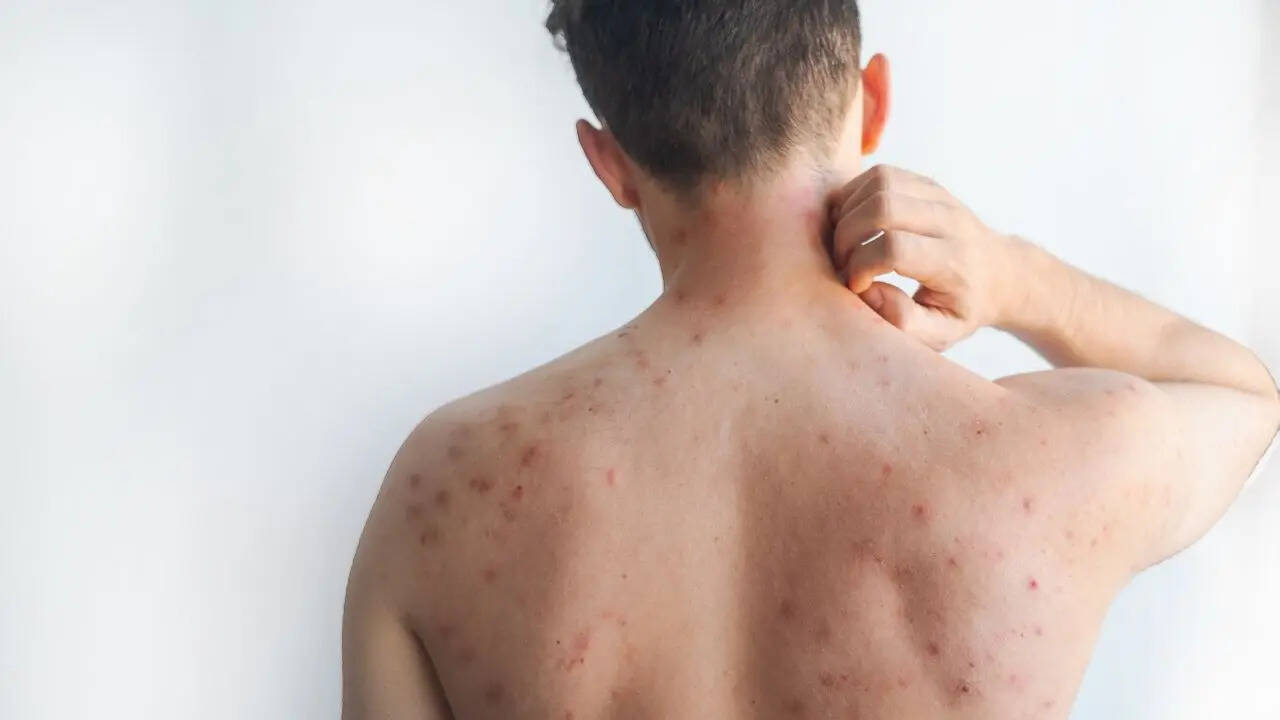
Measles is one of the most infectious illnesses known, and as case numbers rise across the United States, health experts warn the country is close to losing its measles elimination status. The current surge marks the highest number of measles cases recorded since the disease was officially eliminated in the U.S. in 2000. In 2025 alone, more than 2,100 cases have been reported nationwide. Texas has emerged as the hardest-hit state, accounting for roughly two out of every five confirmed infections. So just how easily does measles spread?Measles Cases Increase In The USAs of January 8, a total of 2,065 measles cases had been confirmed across the country, according to the latest figures from the U.S. Centers for Disease Control and Prevention (CDC). The last time the U.S. recorded a higher annual total was in 1992, before the routine recommendation of two doses of the measles-mumps-rubella (MMR) vaccine for children, CNN reported.Several major outbreaks remain active, including one in upstate South Carolina and another along the Arizona-Utah border. These clusters have renewed fears that the U.S. could lose its measles elimination status, which it has maintained for more than two decades. While measles spreads easily, vaccination remains highly effective. One dose of the MMR vaccine offers about 93% protection, and two doses increase effectiveness to 97%, according to the CDC.What Is Measles?Measles, also known as rubeola, is a highly contagious viral illness that typically causes fever, cough, a runny nose, red and watery eyes, and a distinctive red, blotchy rash that usually begins on the face and spreads downward. The virus spreads through the air when an infected person coughs or sneezes and can lead to serious complications such as pneumonia or brain inflammation. Despite its severity, measles is preventable through a safe and effective vaccine, as per the Mayo Clinic.How Contagious Is Measles?Measles is among the most contagious diseases in the world. The virus spreads through airborne droplets that can linger in the air or on surfaces for hours. Up to 90% of unvaccinated people who are exposed to measles will become infected. A single infected person can pass the virus to an estimated 12 to 18 others through close contact or shared spaces. People can transmit the virus days before symptoms become obvious and continue spreading it after the rash appears, according to the World Health Organization.How Long Is Someone Contagious With Measles?Someone infected with measles can spread the virus from four days before the rash develops to four days after it appears. The virus spreads so efficiently that about 90% of people who are unvaccinated or have never had measles will become infected after being exposed.In November, Canada lost its measles elimination status following a significant outbreak, according to the Pan American Health Organization, which works closely with the World Health Organization.“It’s important to say that all the other 34 countries in the region, they keep their certification as measles-free,” said PAHO/WHO Director Dr. Jarbas Barbosa at the time, as per NPR News.U.S. health officials have also warned that genetic links between outbreaks in different states suggest continued spread.“The trajectory that we’re looking at now is that we do anticipate more cases well into January,” Bell said. “What that means for us nationally in terms of how they are defining our designation in this country as having eliminated measles is unclear.”