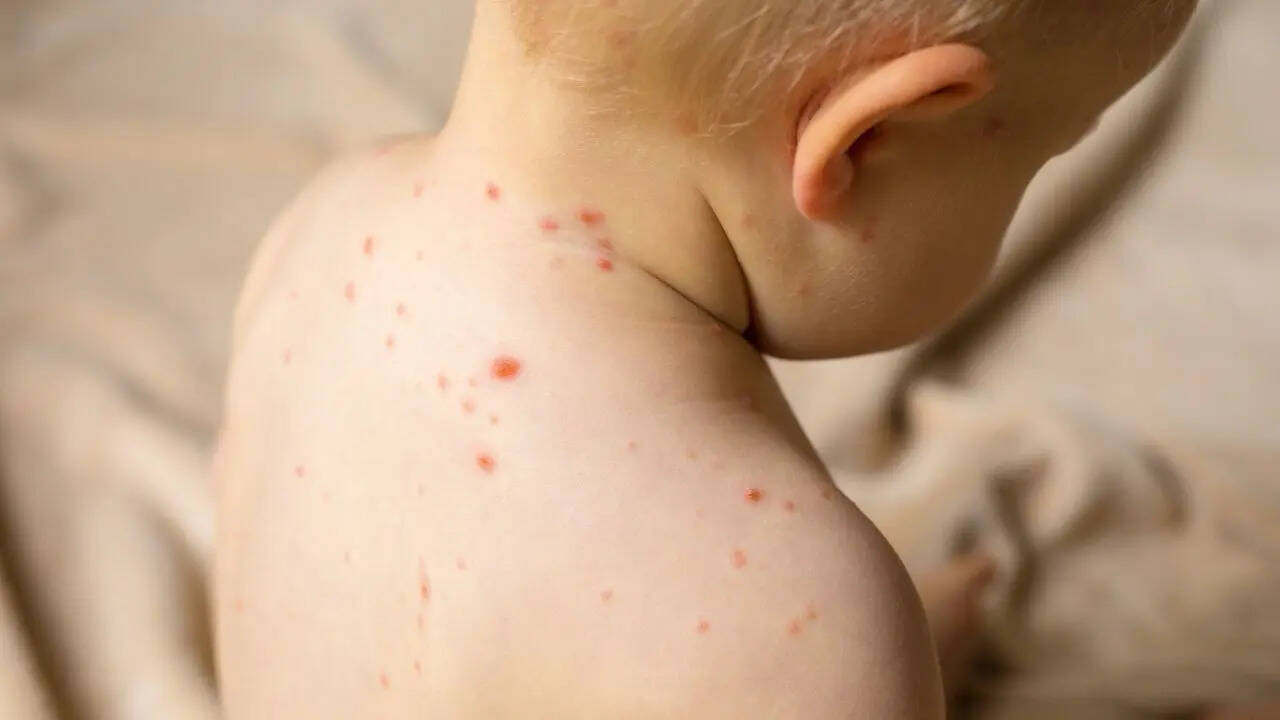
As measles continues to spread across the United States, with recent case numbers climbing to their highest level in 33 years, growing numbers of Americans are becoming concerned about how at risk they may be.Health officials in Philadelphia confirmed a potential measles exposure at Philadelphia International Airport and several public transport locations across the city in early January. The Centers for Disease Control and Prevention has also flagged earlier measles outbreaks across Pennsylvania, New Jersey, and New York City.Adding to the concern, infectious disease tracker BMJGroup reported that measles cases recorded in 2025 are the highest seen since at least 1992.Against this backdrop, it is important to understand whether measles can be fatal and to recognise the symptoms that should not be ignored.Is Measles Deadly?Yes, measles can be deadly and carries a significant risk of death, according to the Centers for Disease Control and Prevention.“Measles can lead to serious health complications, including pneumonia, inflammation of the brain known as encephalitis, and death,” the CDC states. “Between one and three out of every 1,000 people infected with measles will die. Around one in five people with measles will require hospital care, and one in every 20 children with measles develops pneumonia, which is the leading cause of measles-related deaths in young children.“One in every 1,000 people with measles will experience brain swelling, which can result in permanent brain damage.”Measles Symptoms Develop In Three StagesAccording to the Mayo Clinic, measles symptoms usually appear in three distinct stages.Stage 1: Incubation period (10 to 14 days)During this phase, there are typically no noticeable or warning symptoms.Stage 2: Early symptoms beginSymptoms at this stage may include a dry cough, fever, red and inflamed eyes known as conjunctivitis, a runny nose, and a sore throat.Stage 3: Acute illness and rash“In the third stage, a rash begins to develop, usually starting on the face. Small white spots called Koplik spots may appear inside the mouth two to three days after symptoms first appear,” the Mayo Clinic explains. “The measles rash typically shows up three to five days after the initial symptoms.“Over the following days, the rash spreads to the arms, torso, and legs. Alongside the rash, fever often rises rapidly and can exceed 105 degrees Fahrenheit,” the guidance continues. “Eventually, the fever subsides, and the rash fades from the body starting at the head and moving downward.”How Do You Treat Measles?There is no specific antiviral medication that cures measles. However, people who have not previously been vaccinated may still be able to reduce the severity of illness if action is taken quickly after exposure.“If individuals aged six months or older are exposed to measles and do not have immunity from prior infection or vaccination, they can receive the measles vaccine within three days of contact with the virus,” the Mayo Clinic advises. “After vaccination, quarantine at home is not required.“For children up to 11 months old who are exposed and are not immune, a dose of antibodies known as immune globulin can be given within six days of exposure to help the body fight the infection.”Receiving this antibody treatment requires a 21-day quarantine period.