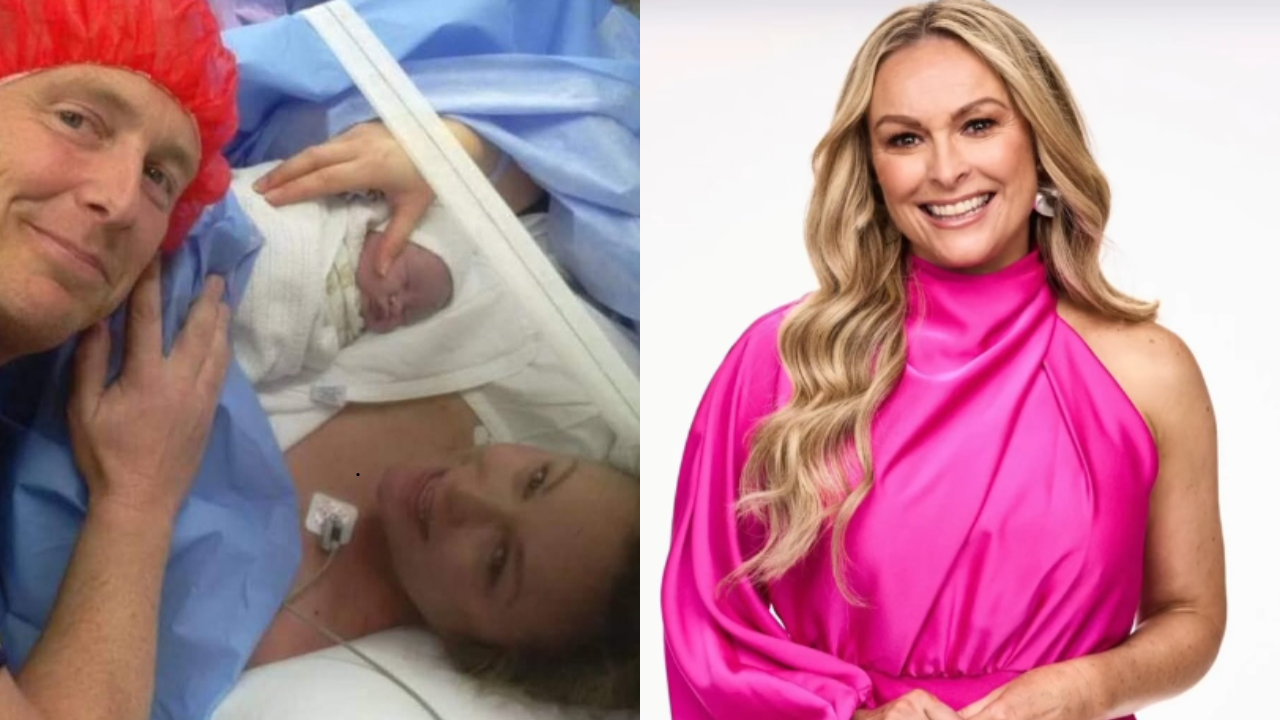
Mel Schilling, an Australian psychologist and a dating expert died at 54. Her husband Gareth Brisbane announced the death in a social media statement. What Happened To Mel Schilling? View this post on Instagram A post shared by Mel Schilling (@mel_schilling1)]]>Schilling was diagnosed with colon cancer in December 2023. Just two weeks ago she said that the disease had spread to her brain. "I honestly don't know how long I have left," she wrote. Read: What Is The Correct Age To Get A Colonoscopy?According to her husband, she died "peacefully, surrounded by love". “This is a woman who, through two years of chemotherapy, when she could barely lift her head from the pillow, never complained and never stopped showing courage, grace, compassion and empathy, and never missed a day of filming,” Brisbane wrote.She was also an expert on 'Married at First Sight Australia' for 12 years and because of her illness she stepped down as a dating expert. How Does Cancer Spread To Other Parts Of The Body?Schilling said that her cancer had spread to her brain. as per the Cancer Research UK, cancer cells can spread to other parts of the body through bloodstream or lymphatic system. They can then start to grow into new tumors. The National cancer Institute notes that cancer cells spread through the body in a series of steps, which include:growing into, or invading, nearby normal tissuemoving through the walls of nearby lymph nodes or blood vesselstraveling through the lymphatic system and bloodstream to other parts of the bodystopping in small blood vessels at a distant location, invading the blood vessel walls, and moving into the surrounding tissuegrowing in this tissue until a tiny tumor formscausing new blood vessels to grow, which creates a blood supply that allows the metastatic tumor to continue growingWhat Is Colon Cancer?Colon (colorectal) cancer begins when small growths called polyps form on the inner lining of the colon or rectum. Over time, changes in the DNA of these cells can cause the polyps to become cancerous.As abnormal cells multiply, they replace healthy cells and eventually form a mass known as a tumor. This process develops slowly, often taking up to ten years for a precancerous polyp to turn into cancer and begin showing symptoms.Colon cancer poses serious health risks because cancerous cells can invade healthy tissues. Over time, they may break away and spread to other parts of the body, making detection more difficult since the symptoms can resemble other conditions.How Can You Get Screened For Colon Cancer?You can get examined by a colonoscopy. A colonoscopy is a 15 to 60 minute medical procedure that is used to examine the entire inner lining of the large intestine, which includes rectum and colon for abnormalities, such as polyps, inflammation, or cancer. A doctor uses a colonoscope, which is a thin, flexible tube with a camera to take images, remove polyps, or take issue samples.Most health experts, including federal guidelines and the American Cancer Society, recommend that people at average risk for colorectal cancer start screening at age 45. This usually means getting a colonoscopy once every 10 years, or opting for stool-based tests every one to three years. These guidelines also play a role in whether insurance companies cover the tests.