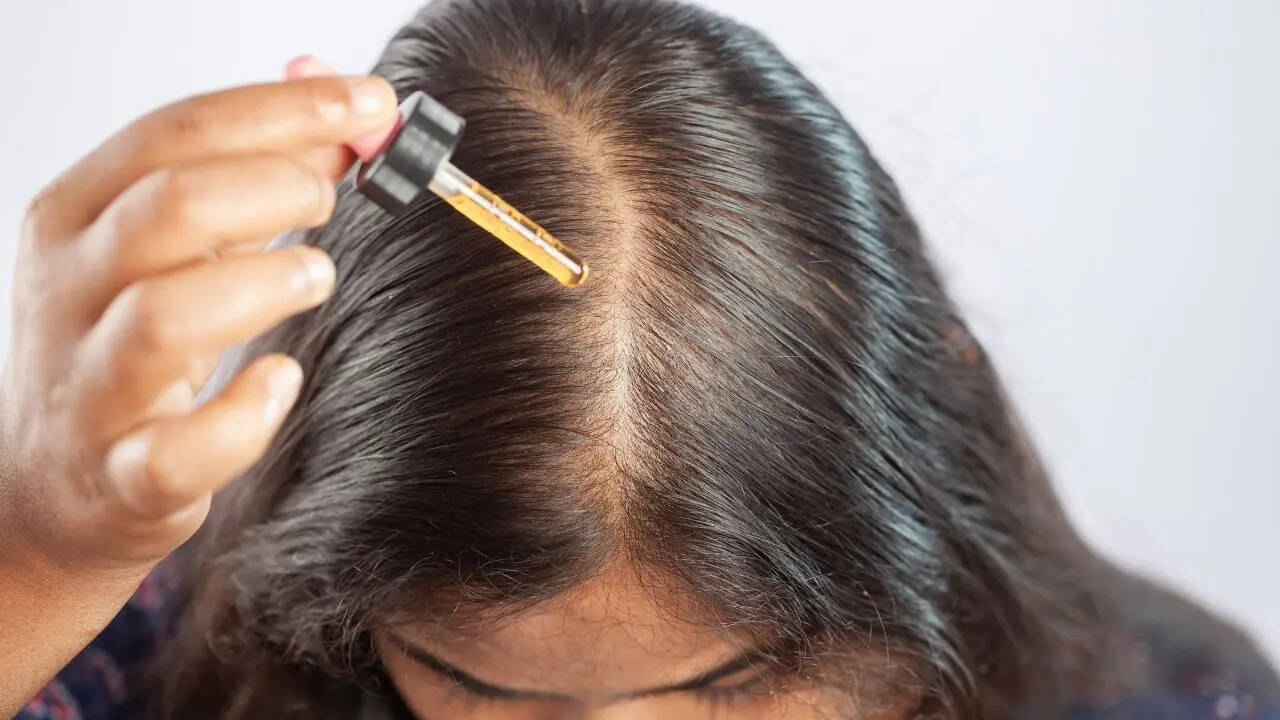
Mothers who use minoxidil, a widely used hair loss treatment, may increase the risk of infantile hypertrichosis in babies, a condition marked by excessive hair growth across the body, including areas where hair does not usually grow, according to a large international analysis.Minoxidil Use by Mothers Linked To Potential Health Risks In InfantsResearchers from the Ministry of Health and Family Welfare and the All India Institute of Medical Sciences (AIIMS), New Delhi, reviewed 2,664 worldwide reports of suspected infantile hypertrichosis linked to minoxidil. Of these, 45 cases involved children aged between birth and 23 months.The analysis showed that 22.2 per cent of these infant cases were associated with maternal exposure to minoxidil. Accidental exposure accounted for 44.4 per cent, while the cause remained unclear in 33.3 per cent of cases. The findings were published in the Archives of Dermatological Research.What Is Minoxidil?Minoxidil is a drug most commonly used to treat pattern hair loss, known as androgenetic alopecia, in both men and women. In higher oral doses, it is also prescribed for severe high blood pressure. The medicine works as a vasodilator, meaning it helps widen blood vessels to improve blood flow.What Is Infantile Hypertrichosis?Infantile hypertrichosis (also called childhood hypertrichosis or werewolf syndrome) is a rare condition marked by excessive hair growth on the face, back, arms, and other areas, appearing from infancy, often with a genetic cause but sometimes triggered by medications (like minoxidil) or underlying conditions, leading to significant cosmetic and psychological distress despite being a generally harmless cosmetic issueMinoxidil: Eye-Related Side Effects Also ReportedThe study also highlighted concerns beyond infant cases. Researchers identified 1,669 global reports of eye-related adverse effects linked to minoxidil use in the general population, including 25 cases reported from India.Commonly reported eye symptoms included swelling of the eyelids, blurred vision, and central serous chorioretinopathy, a condition in which fluid accumulates beneath the retina and can affect eyesight.Background on MinoxidilMinoxidil was originally developed to treat high blood pressure. It was later reformulated as a topical treatment for hair loss in both men and women after its hair growth–stimulating side effects were observed. The drug is typically applied directly to the scalp or affected skin areas, the researchers noted.Minoxidil: Concerns Over Regulation and UseDespite its proven effectiveness, the researchers raised concerns about the drug’s widespread over-the-counter availability and limited regulatory oversight. These factors, they said, increase the risk of misuse and unintended exposure.Although minoxidil is generally advised against for use during pregnancy and breastfeeding, the analysis still identified cases of infantile hypertrichosis linked to maternal exposure during these periods.The researchers noted that minoxidil has also been associated with eye-related side effects in the broader population, prompting renewed questions about its overall safety profile.“This study aims to examine global reports of infantile hypertrichosis associated with maternal minoxidil exposure and to assess serious and non-serious eye disorder cases reported in India, with the aim of improving awareness about the risks of early-life or accidental exposure,” the authors wrote.The study was based on data collected up to March 2025 from VigiBase, the World Health Organization’s global database of suspected adverse drug reactions.