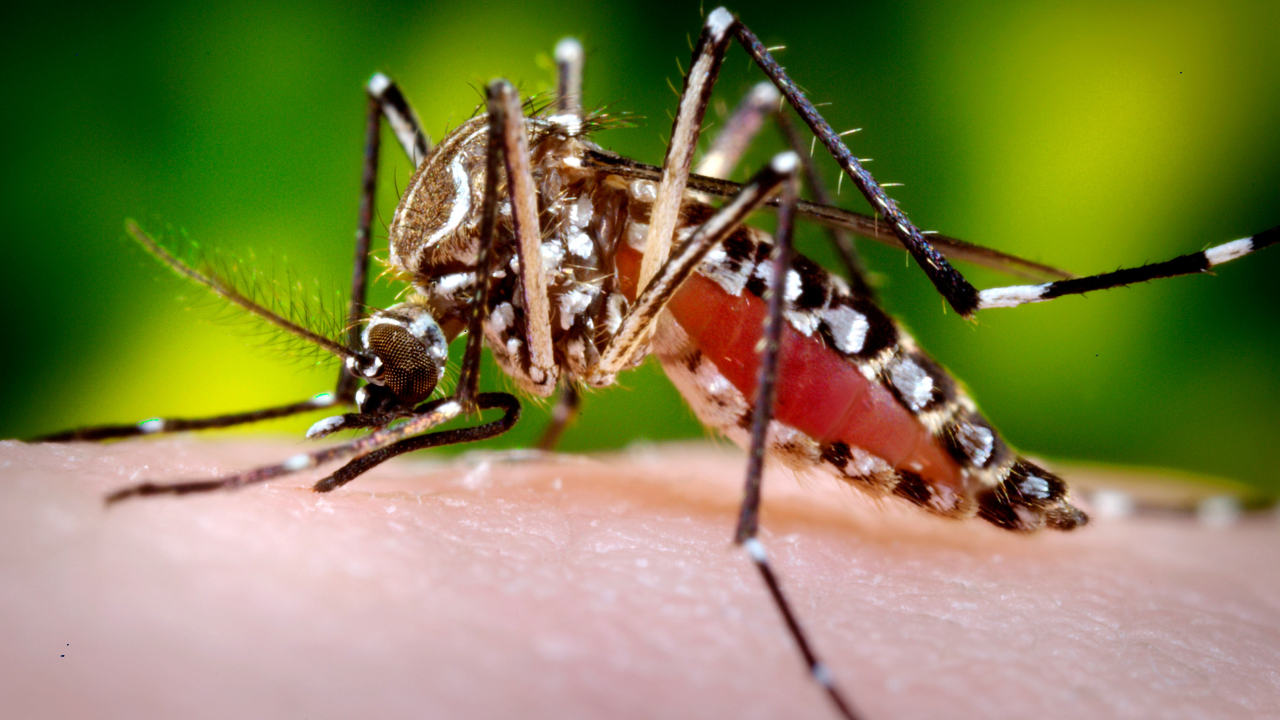
Urgent action is required to strengthen diagnostics and vaccines to address gaps in dengue treatment, public health experts said. The experts, including scientists and policymakers, were speaking at a day-long dialogue hosted in New Delhi by the Drugs for Neglected Diseases initiative (DNDi) in collaboration with the Translational Health Science and Technology Institute (THSTI), the Ministry of Health and Family Welfare, and the WHO South-East Asia Region.The convening assumes significance ahead of the monsoon season, which historically sees a rise in Aedes aegypti mosquito populations and dengue transmission across health systems in South and South-East Asia."The WHO South-East Asia Region alone accounts for more than half of the global dengue burden, with 1.3 billion people living at risk across 10 endemic countries," said Dr Catharina Boehme, Officer in charge, World Health Organization, South-East Asia Regional Office.Dr. Boehme called the rising burden of dengue both an economic crisis and a social crisis. She noted that beyond health system costs, dengue often leads to "lost productivity, lost wages, lost futures"."To change this trajectory, we must close the gap on diagnostics, on vaccines, on therapeutics, and on health system resilience," Dr. Boehme said.Also read: New dengue vaccine over 80% effective, prevents severe disease for up to 5 years India Advancing in Dengue Fight, Gaps RemainIndia reported over 2.89 lakh dengue cases in 2023, though experts believe the actual burden could be significantly higher due to underreporting and surveillance gaps.Taruna Madan Gupta, Scientist G and Head, Development Research Division, ICMR, called dengue an "unequivocally a national health priority for India."Gupta noted that "India is advancing on multiple fronts—from strengthening public health systems to enabling public-private partnerships, including Phase III trials of an indigenous tetravalent dengue vaccine with over 10,000 participants, and regulatory progress on global vaccines".However, the expert flagged a critical gap, which is "the absence of an effective therapeutic" for the mosquito-borne disease.The experts noted that even though there are improvements in surveillance and scientific understanding, patients still lack access to specific treatment options.“Addressing this gap requires sustained commitment from governments, funders, and partners," said Dr Sanjay Sarin, Continental Lead Asia and Director South Asia, DNDi.What Is Dengue?Dengue fever is a viral disease transmitted by Aedes mosquitoes, which are most active during the daytime. Dengue fever typically has minor or no symptoms, but it can occasionally result in severe sickness, hospitalization, and even death. Common Symptoms include:Sudden onset of high-grade fever.Intense headacheSevere muscle, joint, or bone pain.Skin Rash that often appears 2–5 days after the fever startsNausea and VomitingFatigueAccording to the World Health Organization (WHO), about half of the world's population is now at risk of dengue.It estimates that:About 390 million dengue infections occur annually worldwideNearly 100 million people develop symptoms each yearThe two main authorized vaccines in the world against dengue are Dengvaxia and Qdenga.These vaccines are designed to protect against all four serotypes of the virus, with a focus on reducing severe disease and hospitalizations.