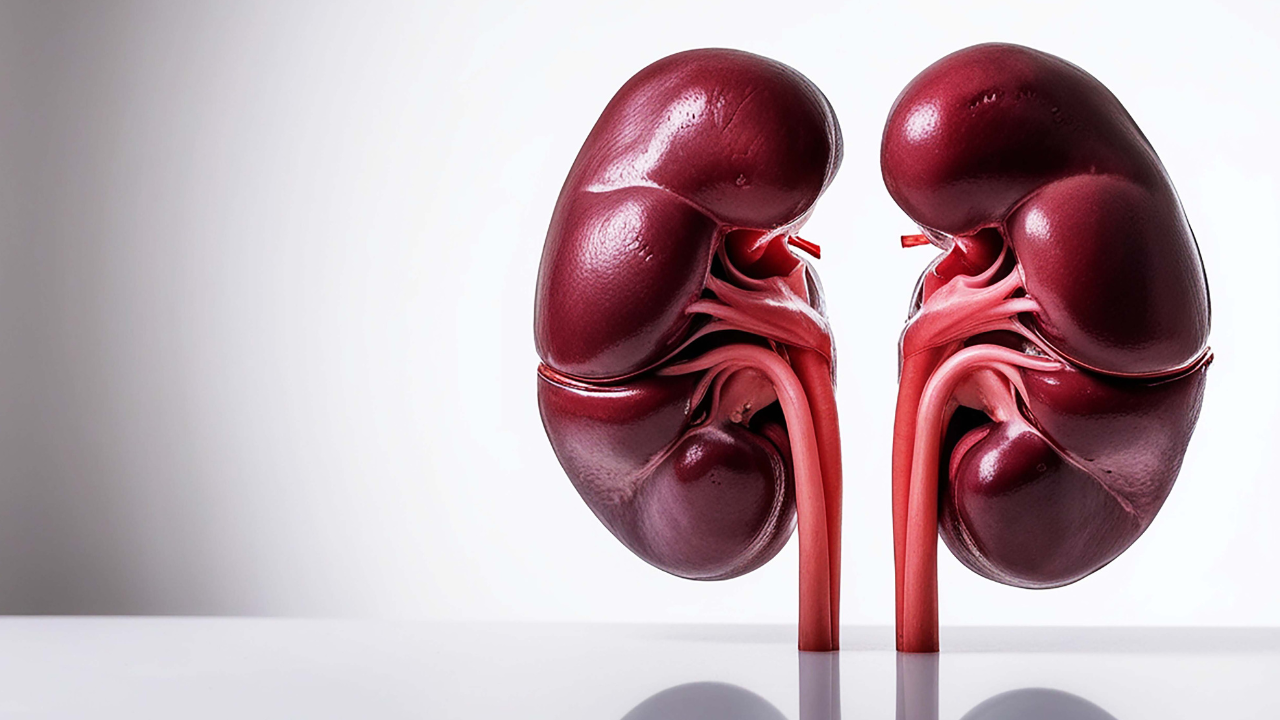
Glomerular Diseases affect the glomeruli, which are very small filtering units in the human kidney, and when they get damaged due to disorders, the filters leak blood and vital proteins into the urine and fail to remove waste efficiently. Eventually, these problems can lead to chronic kidney disease or kidney failure. As per its treatment, medications are used to slow kidney damage, manage blood pressure, and reduce protein leakage.Notably, a new study has revealed hope in this condition by finding that a well-known drug can be very effective in slowing damage if the patient has Glomerular Diseases, and that common drug is Finerenone, which is often prescribed for heart and kidney diseases associated with type 2 diabetes.The trial was participated in by 903 participants with glomerular diseases. The drug finerenone was given to them. The results show that compared with placebo, it slowed kidney damage, reduced albuminuria, and lowered the risk of kidney failure or sustained loss of kidney function. Thus, the study clearly indicates that the drug called finerenone may play an important role in protecting kidney function in patients with glomerular diseases.The research was conducted through subgroup analysis of a phase 3, randomized, double-blind, placebo-controlled trial conducted across 24 countries and regions, focusing on participants with an investigator-reported glomerular disease.The study was conducted on a large scale, having conducted the research for months in 24 countries and regions. The trial also took care of other important details and implemented all required paperwork, thus securing approvals by regulatory authorities along with ethics committees in every center. Other than that, the participants were required to submit written informed consent. Moreover, an independent data monitoring committee performed safety monitoring throughout the tests.How To Keep Kidneys Healthy?Dietary habits can contribute to kidney strain, particularly when busy schedules encourage reliance on convenient foods that are often high in sodium and low in nutritional value.Hydration habits are additional concerns among office workers. Many professionals rely heavily on coffee, energy drinks, or sugary beverages during long workdays, often replacing plain water as the main source of fluid intake.Protecting kidney health often begins with small lifestyle changes. Reducing processed food consumption, limiting excessive salt intake, staying adequately hydrated, and maintaining regular sleep schedules can all support kidney function.Taking short movement breaks during long work hours and managing stress through regular physical activity or relaxation techniques may also help reduce the long-term strain that modern work routines place on the body.