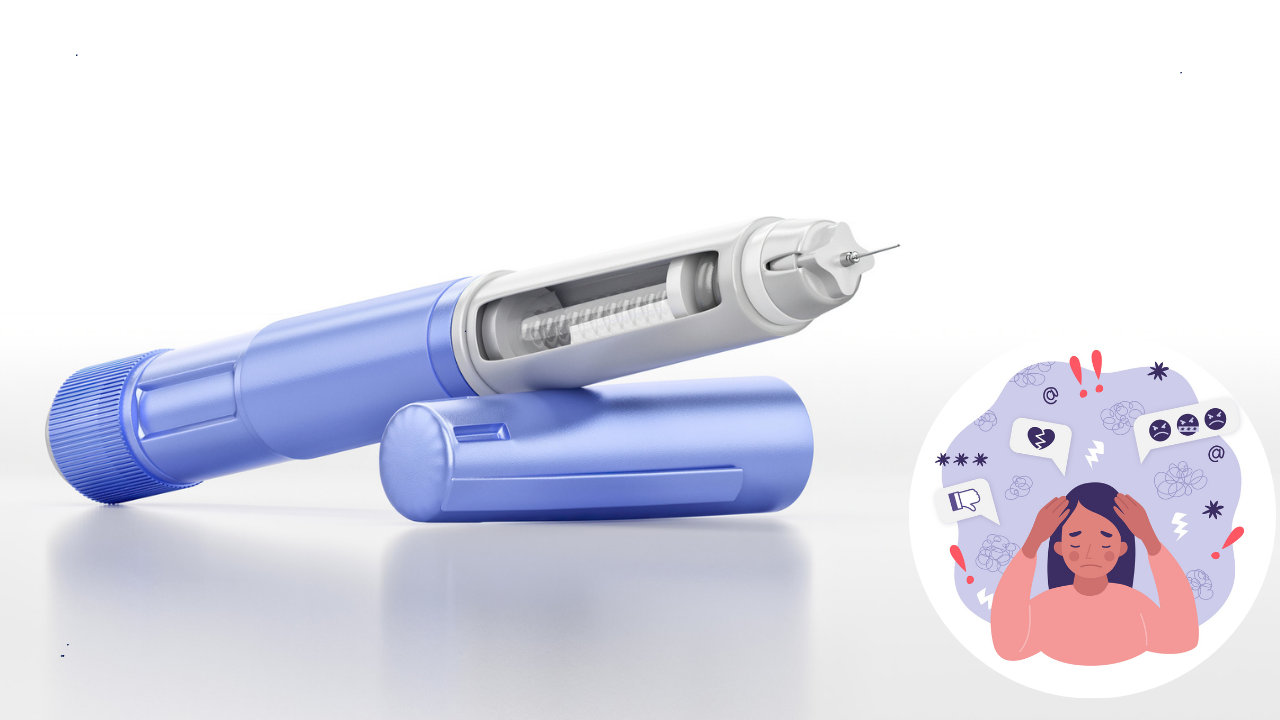
While GLP-1 drugs like Ozempic are popular for weight loss, a new study published today in The Lancet Psychiatry journal showed that it can also help tackle the burden of depression, anxiety, and self-harm in high-risk diabetic patients. The GLP-1 drugs, with ingredients such as semaglutide and liraglutide, were found to effectively reduce the risk of these mental health conditions in patients already taking the medications to manage their diabetes or obesity.Also Read: ACC/AHA Cholesterol Guidelines 2026 Explained: Start Screening For Cardiovascular Diseases Early The study found that these medications were linked to fewer psychiatric hospitalizations, taking sick leave due to mental illness, death by suicide. The study comes as people with diabetes are known to have a higher risk of depression (2-3 times), anxiety (20 percent), and suicide than the general population. “Our findings suggest that GLP-1 drugs, particularly semaglutide, might contribute to better mental health in people with diabetes and obesity,” said Jari Tiihonen, specialist physician and professor at the Centre for Psychiatry Research, Karolinska Institutet, Sweden. Calling the results "observational", Tiihonen urged the need for controlled clinical trials to confirm the findings.Also read: Ozempic Can Help People With Diabetes Walk Better Despite Poor Blood Flow To LegsKey FindingsThe researchers followed more than 95,000 participants diagnosed with depression or anxiety and were prescribed various antidiabetic medications through Swedish national registers between 2009 and 2022. Of the patients, 22,480 had used GLP-1 drugs. Semaglutide, the main ingredient in Ozempic, showed the highest benefits against the mental health conditions. Semaglutide led to a: 42 percent reduced risk of worsening mental health 44 percent lower risk of worsening depression, 38 percent lower risk of worsening anxiety, 47 percent lower risk of worsening substance use disorder. On the other hand, liraglutide, sold under the brand names Victoza (for type 2 diabetes) and Saxenda (for chronic weight management), was linked to an 18 percent lower risk of worsening mental health. Other GLP-1 medications, including exenatide and dulaglutide, did not show the same benefit.Also read: Oprah Winfrey Sparks Ozempic Buzz at Paris Fashion Week with Slim Figure How Do GLP-1 Medicines Fight Against Addiction? A recent study, published by researchers at the Washington University School of Medicine in St Louis, reported that Ozempic could prevent substance use disorder and could also treat it. Not just the lack of will to eat food, but some people have actually reported a lack of interest in alcohol or nicotine consumption. Previously, observational studies have also shown how it could lower the risk of alcohol and cannabis use disorders, opioid overdose, and alcohol related hospitalization. The findings published in The BMJ showed that people taking GLP-1 drugs had a 14 percent lower risk of developing any substance use disorder. Their substance-specific reductions: Alcohol use disorder risk fell by 18 percent Cannabis use disorder fell by 14 percent Cocaine and nicotine use disorders fell by 20 percent Opioid use disorder fell by 25 percent