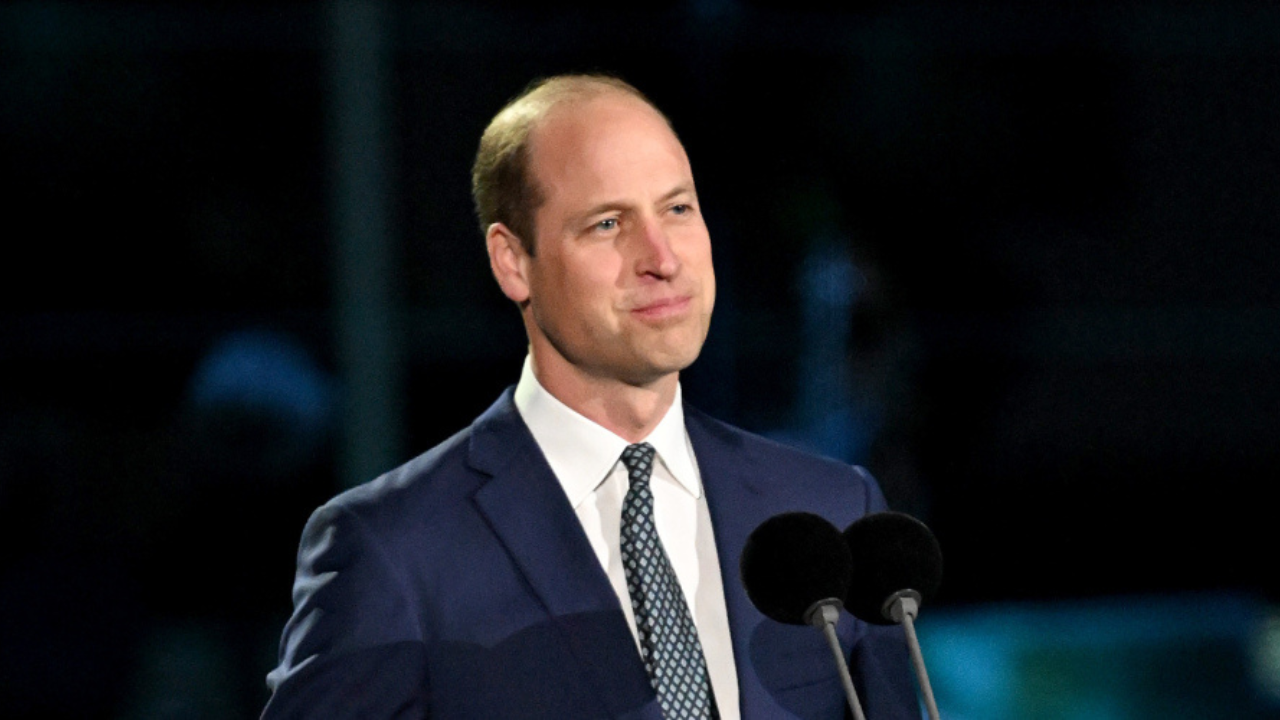
William, the Prince of Wales, has yet again voiced out concerns about mental health in males, which is often a neglected topic. He also opened up about his emotional struggles and urged men to speak out to normalize the issue. Speaking to BBC Radio 1, William said it has taken a " long time” for him to understand his “emotions”. "Learn to love yourself and understand yourself. I take a long time trying to understand my emotions and why I feel like I do, and I feel like that's a really important process to do every now and again, to check in with yourself and work out why you're feeling like you do," said the Prince of Wales. He emphasized the "need for more male role models" who can speak about their mental health publicly. "We need more male role models out there, talking about it and normalizing it, so that it becomes second nature to all of us.""It's OK to ask for support, ask a mate, reach out," said William. It is not the first time that the Prince has spoken about mental health. Earlier, he stated that people must "relax a little bit and be able to talk about our emotions because we're not robots". Men And Mental Health Compared to women, men are known to be less likely to seek help for mental health issues. Driven by stigma, reluctance to seek help, and societal pressures regarding masculinity, men are also more likely to die by suicide. As per a recent study by The Institute for Health Metrics and Evaluation, University of Washington, US, males die from suicide at twice the rate of females. Their attempts also result in death three times more often than female attempts.A 2020 paper by the World Health Organization (WHO) identified self-reliance, difficulty in expressing emotions, and self-control as the key sociocultural barriers to men’s help-seeking about masculinity norms. The National Institute of Mental Health attributed genes, a family history of depression, environmental stress, including financial problems, the loss of a loved one, work problems, a difficult relationship, a major life change, or a stressful situation as major reasons for a decline in mental health in men. Medical conditions like diabetes, heart disease, or cancer are also known to raise the risk of depression in men. Further, substance use, loneliness, and shame are also contributing factors to the elevated suicide rates among men. While men and women develop most of the same mental disorders, their symptoms may be different. Some common symptoms among men include: Anger, irritability, or aggressiveness Prominent changes in mood, energy level, or appetite Difficulty sleeping or sleeping too much Difficulty concentrating, feeling restless, or on edge Misuse of alcohol, drugs, or both