
- Health Conditions A-Z
- Health & Wellness
- Nutrition
- Fitness
- Health News
- Ayurveda
- Videos
- Medicine A-Z
- Parenting
Seasonal Health: 5 Common Illnesses That To Watch Out For This Fall Season And Tips To Prevent

As the vibrant hues of summer fade and the crisp air of fall begins to settle in, I find myself embracing the cozy comforts of the season—warm sweaters, hot beverages, and the anticipation of autumn activities. Yet, with the changing weather comes a reminder of the seasonal health challenges that often accompany the fall.
Each year, like clockwork, certain illnesses seem to peak just as the leaves begin to fall, making it crucial to be prepared and informed.
The transition from summer to fall is more than just a shift in temperature; it’s a time when our bodies adjust to new environmental conditions. This period often leads to a spike in common illnesses, especially as children return to school and we spend more time indoors. Understanding these seasonal changes and their impact on our health can help us better navigate the months ahead.
Seasonal Shift and Its Health Implications
Fall’s arrival brings a drop in temperatures and changes in humidity levels, creating a perfect breeding ground for certain viruses and bacteria. This seasonal shift not only influences the environment but also affects our immune systems, making us more susceptible to infections. As we prepare for the upcoming fall season, it’s essential to be aware of the illnesses that tend to peak during this time and take proactive steps to stay healthy.In addition to the typical seasonal ailments, the ongoing monsoon season in some regions further complicates matters, introducing additional health risks such as respiratory infections and waterborne diseases. Being informed about these potential health challenges allows us to take preventative measures and enjoy the beauty of fall without compromising our well-being.
Common Seasonal Illnesses in the Fall
1. Common Cold and FluThe common cold and influenza (flu) are perhaps the most well-known illnesses that peak during the fall. As temperatures drop and humidity levels fluctuate, viruses that cause colds and the flu become more active. The flu, in particular, can be more severe than a common cold, leading to complications such as pneumonia, especially in vulnerable populations like the elderly and those with pre-existing health conditions. Symptoms include a runny nose, sore throat, coughing, fever, and body aches.
2. Seasonal Allergies
Fall is notorious for triggering seasonal allergies, primarily due to ragweed pollen and mold spores that thrive in damp environments. Allergic rhinitis, commonly known as hay fever, can cause sneezing, itchy eyes, and a runny nose. For many, these symptoms can be as debilitating as a cold, affecting daily activities and overall well-being.
3. Asthma and Respiratory Issues
The fall season can be particularly challenging for those with asthma or other respiratory conditions. The cooler air, combined with increased exposure to allergens, can trigger asthma attacks and exacerbate symptoms. Additionally, the rise in viral infections during this time can further strain the respiratory system, leading to more frequent flare-ups.
4. Gastroenteritis (Stomach Flu)
Gastroenteritis, commonly referred to as the stomach flu, is another illness that tends to spike in the fall. Caused by viruses like norovirus, this condition leads to inflammation of the stomach and intestines, resulting in symptoms such as vomiting, diarrhea, and abdominal pain. While gastroenteritis is typically short-lived, it can be particularly uncomfortable and disruptive.
5. Sinus Infections
Sinus infections, or sinusitis, are often triggered by a cold or allergies, making them more common during the fall. The inflammation of the sinuses can cause pain and pressure in the face, nasal congestion, and headaches. In some cases, sinus infections can lead to more severe complications, such as a bacterial infection that requires medical treatment.
In regions where the monsoon season overlaps with the fall, the risk of seasonal illnesses can be compounded. The damp, humid conditions created by monsoon rains are ideal for the proliferation of bacteria, viruses, and fungi, leading to an increased incidence of respiratory infections, waterborne diseases, and fungal infections. Additionally, stagnant water left by heavy rains can become breeding grounds for mosquitoes, raising the risk of diseases such as dengue and malaria.
During this time, it’s important to be extra vigilant about hygiene and sanitation practices. Ensuring that drinking water is clean, avoiding contact with stagnant water, and using mosquito repellent can help mitigate these risks. Furthermore, maintaining a balanced diet rich in immune-boosting nutrients can support the body’s natural defenses against infections.
Preventative Measures for a Healthy Fall Season
As we head into the fall season, staying healthy requires a combination of awareness and proactive measures. Here are some tips to help you navigate this time of year:- The flu vaccine is your best defense against the influenza virus. Getting vaccinated early in the season can reduce your risk of getting the flu and its potential complications.
- Regular handwashing, especially after being in public places, is crucial in preventing the spread of germs. Also, avoid touching your face, as viruses can enter the body through the eyes, nose, and mouth.
- If you suffer from seasonal allergies, keep windows closed to prevent pollen from entering your home. Use air purifiers to reduce indoor allergens and consider over-the-counter antihistamines or nasal sprays to manage symptoms.
- Drinking plenty of fluids helps keep mucous membranes moist, which can prevent viruses from taking hold. Warm beverages like herbal teas can also soothe a sore throat and keep you hydrated.
- A balanced diet rich in fruits, vegetables, and whole grains can support your immune system. Foods high in vitamins C and D, zinc, and antioxidants are particularly beneficial during this season.
COVID Or Seasonal Flu: NHS Explains What Your Cough May Be Signalling
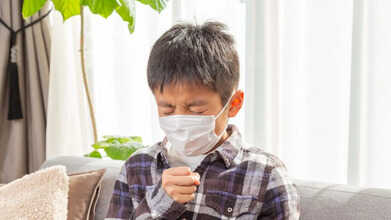
Credits: Canva
A particular type of cough could offer an important clue about whether you have Covid or flu this winter. The NHS has outlined how the two illnesses can be told apart.
Why Do Respiratory Illnesses Rise In Winter?
As winter arrives, a noticeable increase in seasonal illnesses is expected. Conditions such as the common cold, respiratory syncytial virus (RSV), COVID-19, and influenza tend to spread more easily during colder months. This happens because viruses thrive in lower temperatures and people spend longer periods indoors, often in close proximity to others.
Why Covid and Flu Can Be Hard To Tell Apart
Distinguishing between these infections is not always easy, as many symptoms overlap. According to guidance published by the NHS, the following symptoms are commonly seen in both Covid and flu:
- A high temperature
- A sore throat
- Feeling tired or extremely fatigued
- A headache
- Diarrhoea
- Feeling sick or vomiting
- Loss of appetite
- Coughing is another symptom shared by both conditions, though the nature of the cough can differ.
Cough
Flu and Covid are among the illnesses that become more common during the winter months. If you have influenza, the NHS explains that the cough is usually dry and may develop suddenly, often alongside other symptoms that appear quickly.
In contrast, Covid may cause what the NHS describes as a “new, continuous cough.” This refers to coughing frequently for more than an hour, or experiencing three or more coughing episodes within a 24-hour period.
This distinction is supported by Dr Rupa Parmar, a GP and medical director at Midland Health. In previous comments, she noted that coughs linked to colds are generally mild, while flu tends to cause a dry cough.
“With Covid, the cough is often dry and persistent,” she explained. “Many people cough continuously for long periods or have repeated coughing fits throughout the day.”
Ways To Differentiate Between Covid and Influenza
The type of cough is not the only sign that may help identify which illness you have. A reduced or altered sense of smell or taste is commonly reported in people with Covid and is much less frequent in flu cases.
Breathlessness is another symptom recognised by the NHS as being associated with Covid. While flu can sometimes lead to breathing difficulties, this usually occurs only if the illness becomes severe.
What to do if you have symptoms:
For both Covid and flu, the NHS advises staying at home and limiting contact with others if you or your child have symptoms and either:
- Have a high temperature
- Do not feel well enough to attend work, school, childcare, or carry out normal activities
- The guidance states that normal routines can be resumed once symptoms improve and the temperature returns to normal.
When to seek urgent medical advice:
The NHS recommends contacting your GP or NHS 111 urgently if:
- You are worried about Covid symptoms in yourself or your child and are unsure what to do
- Symptoms are worsening or not improving
- You or your child develop additional signs of illness, such as a rash, poor appetite, or weakness
- A high temperature lasts for five days or more, or does not come down after taking paracetamol
- A baby under three months has a temperature of 38C or above, or is suspected to have a fever
- A child aged three to six months has a temperature of 39C or above, or is suspected to have a fever
- You or your child have flu-like symptoms and you are over 65, pregnant, living with a long-term health condition, have a weakened immune system, or symptoms have not eased after seven days
7 Manifestation Practices To Achieve Your Health Goals In 2026

Every new year brings familiar promises. Eat better. Move more. Quit smoking. Stress less. According to Harvard Health Publishing, the reason these resolutions often fade is not a lack of intent, but the absence of habits that can hold steady once everyday life takes over.
If 2026 is the year you want real, lasting change, the focus needs to shift from short bursts of motivation to health habits that are realistic, repeatable, and kind to your body.
Drawing from insights shared by Harvard Health Publishing, here are seven ways to make health goals finally stick.
1. Choose A Health Goal That Genuinely Motivates You
Harvard Health Publishing notes that goals tied to emotion tend to last longer. Instead of vague aims like “get fit,” think about what truly matters to you. It could be completing a long walk without exhaustion, lowering your blood pressure, or feeling comfortable in your body again. When a goal feels personal, it becomes easier to stay committed.
2. Break Health Goals Into Smaller Daily Actions
Big health goals can feel overwhelming. That is why Harvard Health Publishing recommends breaking them into steps that feel almost too easy. A short walk, a few stretches, or one nutritious meal can build confidence. Small actions done consistently often matter more than dramatic efforts done occasionally.
3. Recognise Why Unhealthy Habits Are Hard To Quit
According to Harvard Health Publishing, many unhealthy behaviours offer immediate comfort. Overeating, smoking, or skipping exercise often meet emotional needs like relaxation or relief from stress. Instead of ignoring this, acknowledge it. Find healthier ways to take breaks, unwind, or reward yourself so you are not fighting against your own needs.
4. Create Accountability Around Your Health Goals
Harvard Health Publishing highlights the role of accountability in sustaining behaviour change. Sharing your goal with a partner, friend, doctor, or even a small online group can make a difference. When others know what you are working toward, you are more likely to stay consistent, especially on difficult days.
5. Reward Progress, Not Just Results
Health improvements happen gradually. Harvard Health Publishing encourages celebrating effort along the way. Acknowledge days when you move your body, eat mindfully, or manage stress better. These small rewards reinforce the habit and prevent burnout caused by waiting only for visible results.
6. Use Setbacks As Learning Moments
Missing workouts or slipping into old habits does not mean failure. Harvard Health Publishing advises viewing setbacks as useful feedback. If a plan feels too demanding, scale it back. If time is an issue, break exercise into shorter sessions. Adjusting your approach makes long-term success more likely.
7. Be Grateful For What You Manage To Do
Perfection is not required for better health. As Harvard Health Publishing reminds us, even small amounts of physical activity or healthier choices benefit the body. Ten minutes of movement is still movement. One balanced meal still nourishes you. Gratitude for effort keeps motivation steady and realistic.
Levothyroxine Thyroid Medicine: NHS Issues Urgent Warning For Patients

Credits: Canva
The NHS has released a warning for people who take levothyroxine to manage thyroid conditions. With an estimated 33 million prescriptions issued every year across the UK, levothyroxine is among the most frequently prescribed medicines provided by the NHS.
Levothyroxine is mainly used to treat an underactive thyroid, a condition medically known as hypothyroidism. Depending on a patient’s needs and a GP’s assessment, the medicine is usually prescribed either as a tablet or as a liquid taken by mouth.
What Is Levothyroxine?
For many patients, levothyroxine is effective in helping the body restore normal thyroid hormone levels. However, the NHS has stressed that the medication is not suitable for everyone. In certain cases, taking levothyroxine may raise the risk of complications linked to other existing health problems.The NHS website explains that while most adults and children can safely take levothyroxine, there are specific situations where it may not be recommended. These restrictions are based on a person’s medical history and current health conditions.
People Who May Not Be Able to Take Levothyroxine
According to NHS guidance, levothyroxine may not be suitable if any of the following apply:
- You have a heart condition such as angina, heart disease, or heart failure
- You have a condition that affects your adrenal glands
- You have previously suffered a heart attack
- You have an overactive thyroid that produces excess thyroid hormone, known as thyrotoxicosis
- You have diabetes
- You have had an allergic reaction to levothyroxine or another medicine in the past
- You have high blood pressure
- Patients are advised to inform their GP or specialist about any of these conditions before starting treatment.
Levothyroxine: Possible Side Effects to Be Aware Of
Levothyroxine can cause a range of side effects, some of which may require urgent medical attention. Common side effects associated with the medication include:
- Flushing or excessive sweating
- Feeling restless, anxious, or overly energetic
- Difficulty sleeping
- Nausea
- Headaches
- Vomiting
- Shaking or trembling
- Diarrhoea
- Muscle cramps
The NHS notes that this is not a complete list, and other side effects may occur. Patients are advised to read the information leaflet included with their medication for full details.
Levothyroxine: When to Seek Medical Help
Although these side effects can be unpleasant, they are usually mild and do not typically require a hospital visit. If symptoms persist or become troublesome, the NHS recommends speaking to a doctor or pharmacist for advice.
However, certain symptoms should not be ignored. If you notice a fast or irregular heartbeat while taking levothyroxine, you should contact a doctor or call NHS 111 as soon as possible.
More serious symptoms require immediate action. Anyone experiencing chest pain while on levothyroxine is advised to call 999 without delay, as this could signal a medical emergency.
Disclaimer: This article is for general information only and is not a substitute for medical advice. Levothyroxine should be taken only as prescribed by a qualified healthcare professional. Do not start, stop, or change your medication without consulting your doctor. If you experience severe symptoms or a medical emergency, seek immediate medical attention or call emergency services.
- Follow Us :


© 2024 Bennett, Coleman & Company Limited