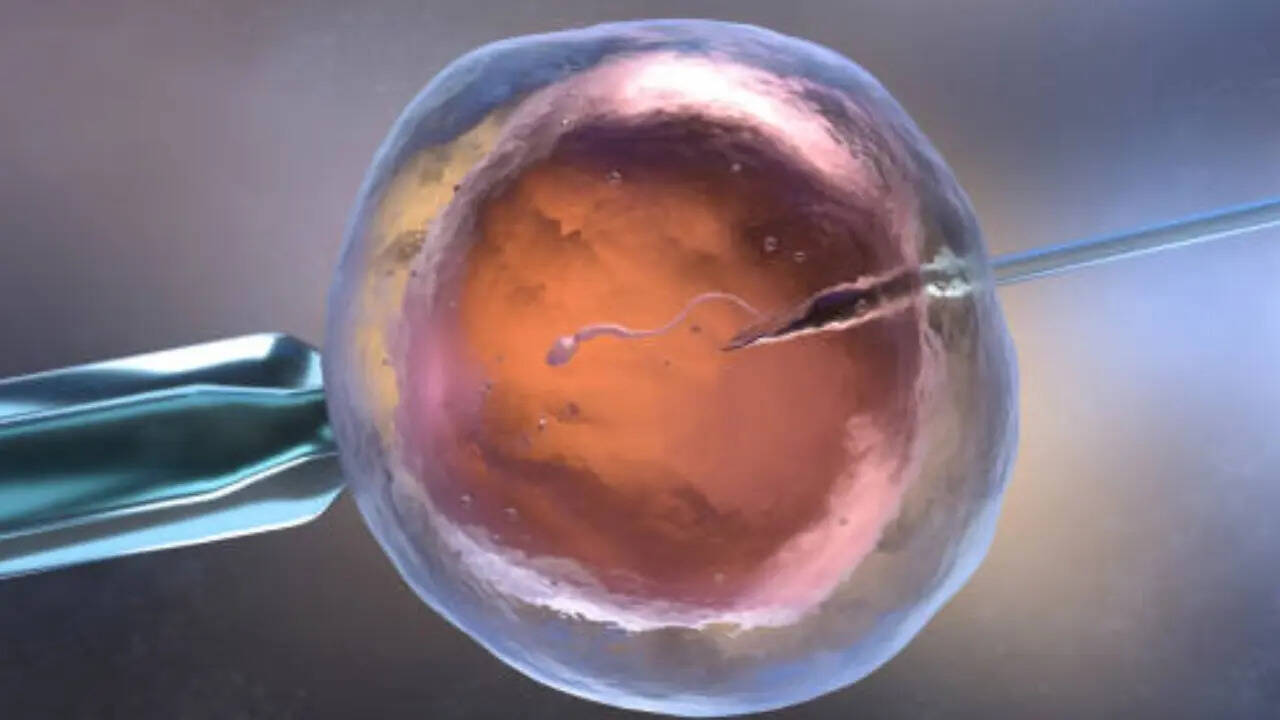
Failure to conceive using IVF can be devastating, but one should realise that one failed attempt does not determine a couple’s fertility journey. The success of IVF is determined by various factors such as age, egg and sperm quality, and the uterine environment, as well as underlying medical conditions. An unsuccessful attempt can also be a valuable source of clinical information that can be used to guide future treatment procedures. It should be seen not as an ending but as a starting point for more individualised and effective care in future cycles.What happens after an unsuccessful IVF attempt? It is necessary to conduct a careful assessment after an unsuccessful IVF cycle. This involves a review of the stimulation protocol, the response of the ovaries, the quality of the retrieved eggs, fertilisation rates, and embryo growth. In some instances, issues with embryo quality, implantation, or hormonal imbalances may be identified. Further tests such as genetic testing of embryos, evaluation of the receptivity of the uterine lining, or screening for conditions such as endometriosis or thyroid disorders may be recommended. These insights can be used to make the subsequent cycle more precise.Mental healthEmotional health is highly significant in the healing process. A failed IVF cycle may have a considerable psychological impact, leading to stress, anxiety, and self-doubt. Such feelings should not be disregarded, and appropriate support should be sought, whether through counselling, support groups, or simply by talking to a partner. Addressing emotional health not only aids coping but also has a beneficial effect on overall treatment outcomes.Lifestyle changes to make Lifestyle changes can also play a role in improving outcomes in future attempts. Maintaining a healthy weight, following a balanced diet, managing stress, and avoiding smoking or excessive alcohol consumption are important factors. Hormonal balance and reproductive health may also be supported through adequate sleep and moderate exercise. Small yet consistent lifestyle adjustments may help prepare the body for another cycle.Treatment optionsTreatment plans can be modified based on previous results. This might include changes in medication regimens or the use of advanced procedures such as intracytoplasmic sperm injection (ICSI), assisted hatching, or preimplantation genetic testing (PGT). In some instances, the use of donor eggs or sperm, or options such as frozen embryo transfer, may be considered. All approaches are personalised, taking into account the medical history of the couple and their previous response to treatment.How to time the next IVF attempt properly?The timing of the next attempt is another important aspect. While some individuals may be physically ready to proceed soon after a failed cycle, others may benefit from taking time to rest and recover both physically and emotionally. Such a break also allows for further evaluation and optimisation of health parameters before resuming treatment.In the end, persistence combined with a personalised, evidence-based approach tends to increase the likelihood of success. Advancements in reproductive medicine continue to offer new hope, even after setbacks in IVF. With careful assessment, emotional support, and appropriate adjustments in treatment, many couples achieve successful pregnancies in subsequent cycles.