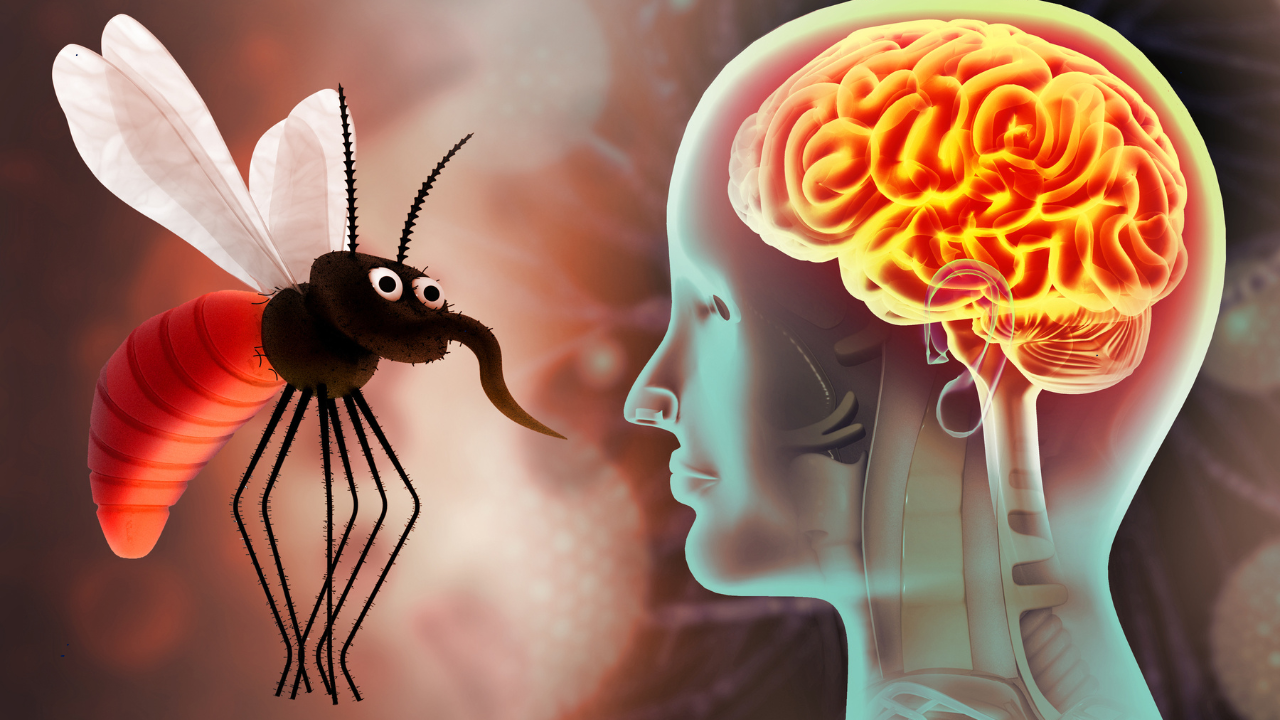
Severe malaria during childhood may not only be life-threatening but also raise the risk of cognitive impairments, which can affect their academic skills and job prospects later, according to a study. The study, recently published in JAMA, suggests children who survive cases of cerebral malaria and severe malarial anemia experience cognitive and academic impairment that persists in adolescence. "Cerebral malaria and severe malarial anemia, which affect more than a million children every year, are not only causes of death in children, but also associated with very long-term costs in terms of a child’s thinking and their academic achievement," said Chandy John, Professor of Pediatrics at the Indiana University School of Medicine. "These costs, particularly in the area of math skills, can affect their ability to do well in school, to go to college and to get a good job." The findings call for an urgent need for the development of better prevention strategies and more effective therapies to minimize the lasting effects of one of the world’s most dangerous diseases. How Malaria Dents Brain’s Function? In the study, researchers from Indiana University followed two prior cohort studies of severe malaria up to four and 15 years after their initial episodes. The results showed that children who survived cerebral malaria and severe malarial anemia experienced cognitive impairment, with cognition scores equivalent of 3 to 7 IQ points below their community peers. Specific clinical factors in children with cerebral malaria or severe malarial anemia, such as the presence of acute kidney injury and elevated levels of uric acid, which is necessary for some body functions but can be toxic when present in too high levels, were found to be associated with worse long-term cognitive outcomes. The researchers now aim to focus on determining if cerebral malaria and severe malarial anemia are causing the cognitive impairment, and how to prevent it. Using their SMART Brain study, short for Severe Malaria and Risk to The Brain, the scientists plan to use models of the brain to explore further the link between specific processes that occur in severe malaria and brain injury. "If we can identify pathways that lead to brain injury, then we can come up with interventions that may prevent brain injury, and test these in clinical trials," John said. "That could potentially protect the brain and improve cognitive and academic outcomes for hundreds of thousands of children in countries with malaria."Also read: Malaria Still An Endemic In 83 CountriesWhat Is Malaria?Malaria is caused by a parasite that spreads to humans through the bites of infected mosquitoes. As per the World Health Organization (WHO), when an infected female Anopheles mosquito bites a human, the human shows symptoms of malaria. Once the parasites enter your body, they travel to the liver and mature. After a few days, the parasites enter the bloodstream and start to infect the red blood cells. Within 48 to 72 hours, parasites multiply and cause the infected cells to burst open.The symptoms range from mild to life-threatening and include:Shaking chillsHigh feverSweatingHeadacheNauseaVomitingAbdominal PainDiarrheaAnemiaMuscle PainConvulsionsComaBloody StoolsSevere cases can cause complications to blood cell production, resulting in malarial anemia and serious neurological issues leading to coma, which defines cerebral malaria.In 2024, the WHO reported 282 million malaria cases, with children under 5 accounting for about 75 per cent of 610,000 global deaths.Among the 83 countries where malaria is still present, 25 reported fewer than 10 cases in 2023—a sign of significant progress in controlling the disease.