
- Health Conditions A-Z
- Health & Wellness
- Nutrition
- Fitness
- Health News
- Ayurveda
- Videos
- Medicine A-Z
- Parenting
Shingles Vaccine Linked To Slower Dementia Progression, Study Finds

Credits: Canva
A shingles vaccination effort launched in Wales in 2013 has produced two findings that bring new optimism to dementia research. The program appears not only to lower the likelihood of mild cognitive impairment but also to slow the course of dementia in people who already have the condition. Shingles stems from the varicella zoster virus and causes a painful rash.
Around one in three people in the United States will experience shingles during their lifetime, with the risk rising sharply with age. For this reason, adults aged fifty and older in the United States are advised to receive two doses of the shingles vaccine.
The vaccine has long been known to prevent shingles with an effectiveness above ninety percent for older adults, but recent work suggests it may hold additional advantages.
What Is Shingles?
Shingles, or herpes zoster, is caused by the varicella zoster virus, which is also responsible for chickenpox. It usually presents as a cluster of blistered skin on one side of the body, often forming a band across the torso. After a person recovers from chickenpox, the virus stays in the nerve cells and can reactivate years later, especially when the immune system weakens, according to Mayo Clinic.
What Is Dementia?
Dementia refers to a collection of symptoms that include significant problems with memory, reasoning, and daily function. It results from damage to brain cells caused by several conditions, including Alzheimer’s disease and vascular dementia. Although dementia becomes more common with age, it is not considered a normal part of growing older, as outlined by the World Health Organization.
Shingles Vaccine Linked To Dementia Progression
Growing evidence indicates that receiving the shingles vaccine may lower the chances of developing dementia. A new study, published Tuesday in the journal Cell, builds on earlier research by proposing that the vaccine might also slow existing dementia, which could reduce the risk of death related to the disease.
“We see a change in the odds of dying from dementia among people who already have the condition,” said Dr. Pascal Geldsetzer, an assistant professor of medicine at Stanford University and senior author of the new study.
“That means the vaccine may not only prevent dementia, but it might also serve as a form of treatment because we notice improvements in people already living with the disease,” he said. “This was both surprising and encouraging.” The new study follows earlier work by Geldsetzer and his team showing that shingles vaccination may help delay or prevent dementia.
In that earlier analysis, researchers reviewed health records from older adults in Wales, where a shingles vaccine program for people in their seventies began on September 1, 2013. Under the rules of the program, individuals who were seventy-nine on that date could receive the vaccine for one year, while those aged eighty or older were not included.
That cutoff allowed researchers to compare outcomes between seventy-nine-year-olds who were offered the vaccine and eighty-year-olds who were not eligible but might have chosen to be vaccinated had they been allowed.
Challenges With The Shingles Vaccine And Reducing Dementia Progression
The next task will be to understand why the shingles vaccine might influence dementia risk or progression. The answer may lie in interactions involving the nervous system or immune response. Certain viruses that affect nerve tissue have been linked in animal studies to the harmful protein accumulation seen in Alzheimer’s disease.
Future research may examine larger and more diverse groups of people, and may also explore how the newer shingles vaccine compares with the older version used in Wales in 2013, which has since been replaced.
“At least directing part of our research efforts toward these pathways might bring important progress in both prevention and treatment,” said biomedical scientist Pascal Geldsetzer from Stanford University.
Why Inclusive Opportunities Matter For Individuals with Autism: Unlocking Untapped Potential
Credit: Canva
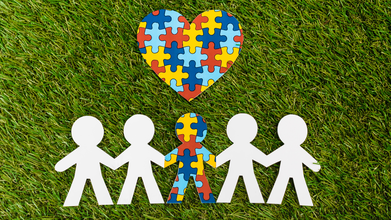
April 2 is celebrated worldwide as “Autism Awareness Day” and April as Autism month to create awareness and promote inclusivity and acceptance in society for individuals with autism.
So what exactly is Autism, and why do we need to create a culture of awareness and acceptance?
As per DSM V (Diagnostic and Statistical Manual of Mental Disorders) criteria, in simple terms, there is poor eye contact, impaired social communication skills, repetitive patterns (certain movements or fixation on certain toys, objects), difficulties with sensory processing - extreme sensitivity to sensory inputs (dislike loud noises, sensitive to touch), etc.
As a child, these individuals may not respond to name-calling, have poor eye contact/lack gestures like pointing, etc., lack imagination in play, and may not be able to relate and respond to the emotions of others. They have set routines and dislike changes to their routines. All this can cause significant disruption to their day-to-day functioning.
This year’s theme of -Autism and Humanity- Every Life has Value” reiterates the need for inclusion of autism, ensuring equitable representation of these individuals. Ensuring that society not only recognizes them but also treats them with equal respect and dignity.
Educational Support and Inclusive Workplace
Sarva Shiksha Abhiyan (SSA) was one of the Government's flagship programs, along with Action for Autism, to disseminate information in schools regarding inclusive education for autism. Education is a key foundation to ensure children with autism get suitable opportunities as adults. Special educators, with additional support in schools, can go a long way in ensuring their potential is maximized.
Many IT giants like Microsoft, Google, and SAP encourage tapping the potential of individuals with autism and their exceptional skills. In our country, organizations and NGOs, including Action for Autism, offer training for future employment opportunities.
There is a spectrum of Autistic Spectrum Disorders (ASD) known as Asperger’s syndrome, and these individuals have normal to above average intelligence and can have some exceptional skills, and the world includes some living examples of these with a higher IQ, some of whom are the most successful and famous personalities. Even on the other end of the spectrum, autistic individuals have exceptional skills, some of which include great attention to detail, creativity, problem-solving, and lateral out-of-the-box thinking.
Options for flexible working hours (part-time), understanding their need for routines, and explaining them beforehand regarding important changes to schedules can help them adapt better to an otherwise challenging workplace.
The Need For Sensitization
Understanding individuals with autism may need little extra support, being a little flexible with time deadlines, giving simple instructions, especially written/visual ones, and allowing them time to overcome their communication barriers can go a long way in ensuring they feel heard and valued like anyone else in the workplace.
Sensitization of all major organization employees to foster a culture of acceptance and awareness, and an accessible work environment, is the need of the hour. Autistic individuals do well in a variety of job profiles, including IT, technology, finance, art and creativity, and administration.
Environmental modifications like background noise cancellation with headphones help those with sensory processing issues. At the end of the day, none of us is perfect, it's recognizing our special skills and strengthening them.
Possibilities are endless if we wish to encourage and make these individuals heard. So, let’s carry the Autism Awareness Day beyond a mere day of awareness and light it up blue. Let’s value and acknowledge them being different, but also empower them to act on their special skills to earn them a dignified place in society and the workplace.
World Autism Awareness Day 2026: Origin, Theme, Significance
Credit: UN
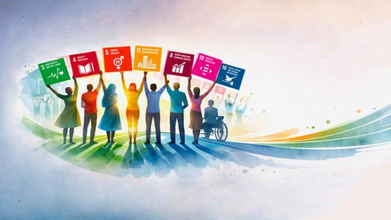
World Autism Awareness Day is observed every year on April 2. The day is important to raise awareness about autism — a neurodevelopmental condition affecting communication, social interaction, and behavior — affecting millions of people globally.
According to the World Health Organization (WHO), one in 127 people worldwide is diagnosed with the lifelong brain health condition. It is also among the top 10 conditions contributing to health loss globally.
The first child diagnosed with autistic symptoms was Donald Grey Triplett. Labelled as Case 1, he went on to become an American banker, demonstrating that, if provided with the right and inclusive support and opportunities individuals with autism be as productive as others.
“Like anyone else, autistic people should be able to shape their own lives — and help to shape our shared future,” said
António Guterres, UN Secretary-General.
World Autism Awareness Day: Date and History
April 2 was designated as World Autism Awareness Day (WAAD) by the United Nations General Assembly in 2007.
The 2007 General Assembly resolution highlighted the need to raise public awareness of autism.
It stated that "children with disabilities should enjoy a full and decent life, in conditions which ensure dignity, promote self-reliance and facilitate the child’s active participation in the community, as well as the full enjoyment of all human rights and fundamental freedoms on an equal basis with other children".
World Autism Awareness Day: Theme
This year, World Autism Awareness Day is held under the theme "Autism and Humanity - Every Life Has Value".
The 2026 theme highlights and affirms the dignity and worth of all autistic people. While there are international human rights conventions safeguarding the rights of people with autism, they continue to face stigma, discrimination, and barriers to participation.
“Access to timely, quality health care and support services remains limited, driving inequalities across the life course," the WHO said. The global health body urged "sustained action and greater investment" to address these challenges. It also called for developing inclusive policies and services that uphold the rights of autistic people.
This year's theme, thus, is a call to action to recognize the inherent dignity and equal rights of all people with autism.
Guterres highlighted the need for "equal education, fair employment, and accessible health systems" for all persons with autism and to provide inclusive opportunities to participate and thrive, along with others.
Also read: Expert Reveals Why Childhood Autism Is Going Undetected In India
What is Autism?
The National Health Service (NHS) UK defines autism as not an illness or a medical condition with treatments or a "cure", but a developmental condition that affects how people communicate, learn, behave, and interact with others.
It is a spectrum, which means "everybody with autism is different".
People with autism spectrum disorder (ASD) may have difficulty with social interaction, exhibit atypical behavior and activities, or find it hard to communicate.
Early Signs Of Autism
Studies show that symptoms of autism are usually diagnosed within the first 3 years of birth. These include:
- Limited to zero eye contact
- Delayed responses
- Repeating words or actions such as hand-flapping
- Being strong-headed about following the same routine
- Easily annoyed, throws tantrums
- Difficulty understanding and expressing emotions
- Sensitive to certain sounds, textures, lights, or smells.
Shift to Plant-Based Proteins, Low-Fat Dairy To Boost Heart Health: American Heart Association
Credit: iStock
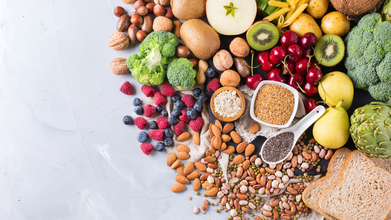
The American Heart Association (AHA), in its latest update on nutrition guidance, has urged the need to eat a diet rich in vegetables and fruits, while also making a key shift to plant-based protein from meat-based protein earlier to improve heart health.
It has also emphasized the need to reduce the intake of sugar, salt and ultra-processed foods, as well as to switch to low-fat dairy.
The scientific statement, which is issued about every five years, comes amid increasing cases of high blood pressure and obesity in the US, which can potentially lead to poor health outcomes, including deaths from cardiovascular disease and other chronic conditions.
“For healthy eating to be more attainable and sustainable, we recommend people focus on their overall eating pattern rather than specific nutrients or foods. This approach is actionable, something that can be modified as people pass through different life stages, while still adhering to the nine key features,” said Alice H. Lichtenstein, volunteer chair of the scientific statement writing committee and senior scientist.
“The guidance applies to wherever you eat: at home, school, work, restaurants, or in your community. You want to strive for progress rather than perfection. Every time you choose to make a swap for a healthier alternative, you’re making a step toward a healthier life,” added Lichtenstein, who is also senior scientist at the Jean Mayer USDA Human Nutrition Research Center on Aging at Tufts University in Boston.
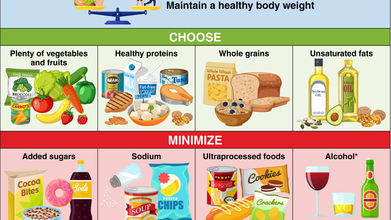
The 9 Guidelines for a heart-healthy dietary pattern include:
- Maintaining a healthy body weight by balancing food intake and physical activity
- Eating plenty of vegetables and fruits
- Choose whole grains such as whole‑wheat bread, brown rice, and oatmeal over refined grains such as white bread or white rice
- Shifting from meat to plant-based sources such as legumes, including beans, peas, and lentils, along with nuts and seeds, and fish and seafood. Select low-fat or fat-free dairy products.
- Replace saturated fats with healthy unsaturated fats, including those from nuts, seeds, avocados, and non-tropical plant oils.
- Choose minimally processed foods instead of ultra-processed foods
- Limit beverages and foods with added sugars
- Choose foods low in sodium and prepare foods with minimal or no salt
- Limit intake of alcohol
Also read: AHA’s New Dyslipidemia Guidelines Stress Early Screening, Lifestyle Management
Healthy Eating Patterns From Childhood
The 2026 guidance for children recommends a heart‑healthy dietary pattern starting at 1 year of age. It urges families to play a significant role and become role models.
“Cardiovascular disease begins early in life; even prenatal factors can contribute to increased risk in children as they grow. So, it’s important that healthy eating patterns are adopted in childhood and continue throughout the entire lifespan,” Lichtenstein said.
“The best way to do that is for adults to role model heart-healthy eating patterns inside and outside the home,” she added.
Also read: Cardiovascular Diseases Lead As India’s Top Killer: US Cardiologist Points Out Risk Factors
While the updated guidance is specifically designed to improve cardiovascular health, it may also help improve other conditions like type 2 diabetes, kidney disease, some cancers, and brain health.
- Follow Us :


© 2024 Bennett, Coleman & Company Limited