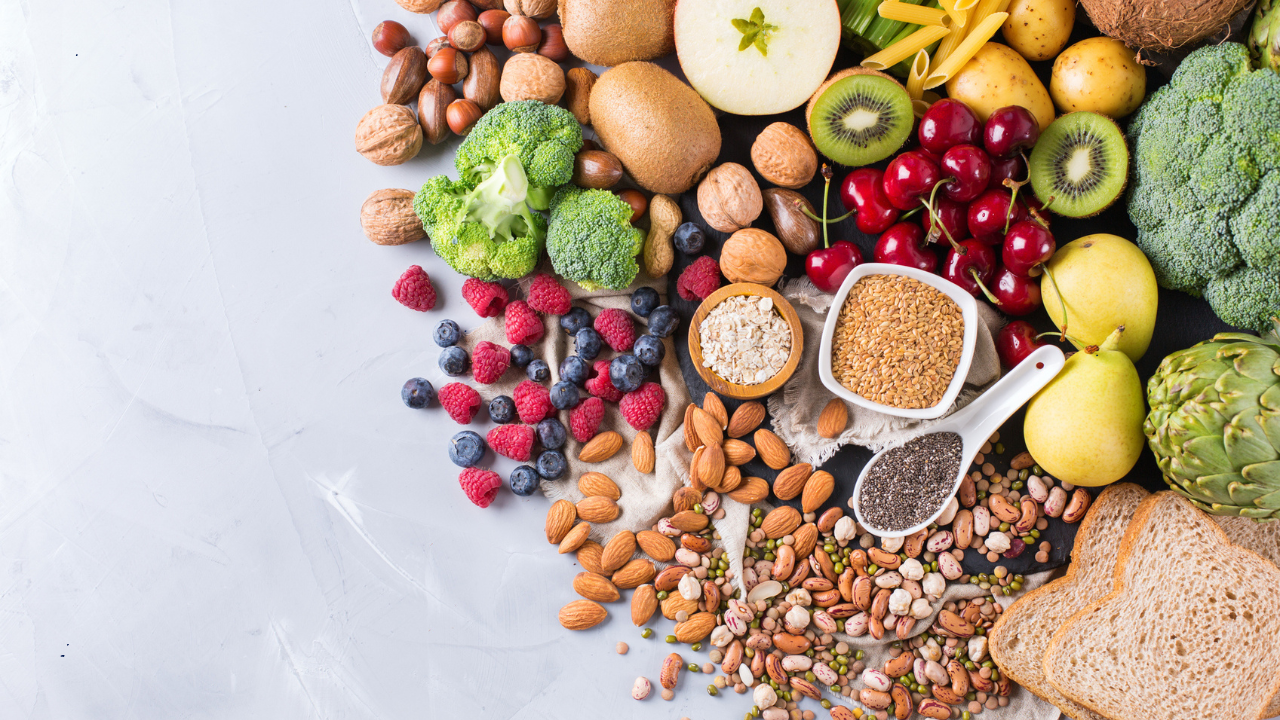
The American Heart Association (AHA), in its latest update on nutrition guidance, has urged the need to eat a diet rich in vegetables and fruits, while also making a key shift to plant-based protein from meat-based protein earlier to improve heart health.It has also emphasized the need to reduce the intake of sugar, salt and ultra-processed foods, as well as to switch to low-fat dairy. The scientific statement, which is issued about every five years, comes amid increasing cases of high blood pressure and obesity in the US, which can potentially lead to poor health outcomes, including deaths from cardiovascular disease and other chronic conditions. “For healthy eating to be more attainable and sustainable, we recommend people focus on their overall eating pattern rather than specific nutrients or foods. This approach is actionable, something that can be modified as people pass through different life stages, while still adhering to the nine key features,” said Alice H. Lichtenstein, volunteer chair of the scientific statement writing committee and senior scientist. “The guidance applies to wherever you eat: at home, school, work, restaurants, or in your community. You want to strive for progress rather than perfection. Every time you choose to make a swap for a healthier alternative, you’re making a step toward a healthier life,” added Lichtenstein, who is also senior scientist at the Jean Mayer USDA Human Nutrition Research Center on Aging at Tufts University in Boston. The 9 Guidelines for a heart-healthy dietary pattern include: Maintaining a healthy body weight by balancing food intake and physical activityEating plenty of vegetables and fruits Choose whole grains such as whole‑wheat bread, brown rice, and oatmeal over refined grains such as white bread or white riceShifting from meat to plant-based sources such as legumes, including beans, peas, and lentils, along with nuts and seeds, and fish and seafood. Select low-fat or fat-free dairy products.Replace saturated fats with healthy unsaturated fats, including those from nuts, seeds, avocados, and non-tropical plant oils.Choose minimally processed foods instead of ultra-processed foods Limit beverages and foods with added sugarsChoose foods low in sodium and prepare foods with minimal or no saltLimit intake of alcohol Also read: AHA’s New Dyslipidemia Guidelines Stress Early Screening, Lifestyle ManagementHealthy Eating Patterns From ChildhoodThe 2026 guidance for children recommends a heart‑healthy dietary pattern starting at 1 year of age. It urges families to play a significant role and become role models. “Cardiovascular disease begins early in life; even prenatal factors can contribute to increased risk in children as they grow. So, it’s important that healthy eating patterns are adopted in childhood and continue throughout the entire lifespan,” Lichtenstein said. “The best way to do that is for adults to role model heart-healthy eating patterns inside and outside the home,” she added.Also read: Cardiovascular Diseases Lead As India’s Top Killer: US Cardiologist Points Out Risk FactorsWhile the updated guidance is specifically designed to improve cardiovascular health, it may also help improve other conditions like type 2 diabetes, kidney disease, some cancers, and brain health.