
- Health Conditions A-Z
- Health & Wellness
- Nutrition
- Fitness
- Health News
- Ayurveda
- Videos
- Medicine A-Z
- Parenting
Sore Throat Relief At Home: 7 Remedies That Actually Help
Credits: Canva
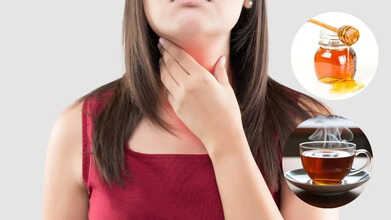
Waking up with a sore, scratchy throat can feel like a dry-air problem, especially during colder months. In reality, it is often one of the first signs that your immune system has started responding to a viral infection.
What Can Cause Throat Discomfort?
Throat discomfort is often the earliest symptom because viruses tend to attach themselves to this area first, explained Benjamin C. Tweel, an assistant professor of otolaryngology at the Icahn School of Medicine at Mount Sinai, as per The Washington Post.
“The virus enters the cells that line the throat, which likely triggers an inflammatory response from the immune system,” said Tweel, who also serves as medical director for the department of otolaryngology at Mount Sinai Health System. Once the body detects the virus, lymphatic tissue at the back of the nose and throat becomes swollen and inflamed, leading to pain, experts noted.
“Sometimes your body manages to fight it off before it turns into anything major,” Mock said. In other cases, familiar upper respiratory symptoms soon follow, such as a runny nose, nasal congestion and coughing.
Don't Miss: Flu Shot: Will Getting Vaccinated Twice This Year Boost Immunity?
Home Remedies For Sore Throat
According to the Centers for Disease Control and Prevention, throat pain linked to an upper respiratory infection usually improves within about a week. Over-the-counter pain relievers like ibuprofen or naproxen can help ease discomfort and may be more effective than acetaminophen because they reduce both pain and inflammation, Tweel said. Alongside medication, certain home remedies may also provide relief. Here are some options worth trying.
Saltwater Gargle
Gargling with salt water has long been recommended for sore throats, and limited research suggests it may help. A small randomized controlled trial published in 2019 in the Journal of Complementary and Alternative Medical Research found that people with nonbacterial sore throats who used saltwater gargles reported less pain and less difficulty swallowing after one week compared with those who used a thymol-based antiseptic mouthwash.
Salt may help by reducing swelling in throat tissue, said Cameron Wick, an otologist and neurotologist at University Hospitals. “This is basic osmosis,” he explained. “Some of the fluid inside the throat tissue moves into the salt solution, which can lessen inflammation.” Saltwater gargling may also help clear away debris and viral particles, Tweel added.
While the evidence is limited, saline gargles are unlikely to cause harm, Mock said. “It might offer a small benefit, and it is generally safe.” Wick recommends mixing 1 teaspoon of salt into 8 ounces of warm water. Saltwater rinses may also help with thick mucus, nasal congestion or allergy symptoms. Wick said over-the-counter saline sprays or nasal irrigation devices can help clear nasal passages, improve breathing, hydrate tissues and reduce swelling.
Don't Miss: Adenovirus Cases Rise In UK, Health Authorities On Alert
When using nasal irrigation devices, only distilled, sterile or boiled and cooled water should be used. Tap water can contain microorganisms that are unsafe if they enter the sinuses.
Honey
Honey is known for its antibacterial properties, Wick said, and its thick texture can coat and protect irritated throat tissue. “It feels soothing on mucosal surfaces,” he explained. By forming a barrier, honey may reduce irritation from air, liquids and swallowing.
Some research supports honey for easing symptoms of upper respiratory infections, including sore throat and cough. A small study published in 2023 found that gargling with a mixture of honey and water helped reduce throat pain after tonsillectomy surgery.
Honey can also be helpful for children over the age of 1 who have sore throats or coughs. The American Academy of Pediatrics recommends honey over many over-the-counter cold medicines for young children, as those products offer limited benefit. “For kids older than 1, a teaspoon of honey or honey mixed into warm liquid can help soothe the throat and improve sleep,” Mock said. Honey should never be given to infants under 12 months due to the risk of infant botulism.
Tea
Warm tea can feel comforting on a sore throat, but not all teas are ideal during an infection. “Stick to non-caffeinated options,” Wick advised. Black teas and other strong, tannin-rich teas often contain caffeine, which can increase urine output and contribute to dehydration.
There is limited research on herbal teas for throat pain, but chamomile, ginger and turmeric are commonly recommended, Wick said.
Adding honey and lemon can enhance tea’s soothing effects. Lemon provides vitamin C, which supports immune function, and stimulates saliva production, Wick explained. Increased saliva can help thin mucus and support the many small glands beneath the throat’s surface, making it easier for the body to manage congestion.
Warm Beverages
If tea is not your preference, other warm drinks such as warm water, vegetable broth, bone broth or soup may provide similar comfort. “Warm liquids have a calming effect,” Wick said.
These beverages may also encourage better hydration, which is important for recovery. “Staying hydrated is one of the most helpful things you can do for a sore throat,” Tweel said. Dryness tends to worsen throat pain. Soup can also be soothing, as long as it does not contain ingredients that irritate the throat, Mock added.
Cool Foods
Some people find relief from cold items like ice chips or ice pops, especially when throat pain is more intense, Wick said. After tonsil removal surgery, children are often encouraged to eat ice cream or popsicles because cold temperatures can calm pain-sensitive nerve endings.
There is little research specifically on cold foods for sore throats caused by infections, but cooling therapies have been shown to reduce throat discomfort after medical procedures such as surgery or intubation.
Using A Humidifier
Dry air can worsen irritation in the nose, mouth and throat. “This helps explain why people often feel worse after flying,” Tweel said. A cool-mist humidifier or vaporizer can reduce dryness and ease scratchiness.
However, these devices must be cleaned carefully. “I personally avoid them because proper sanitation can be difficult,” Tweel said. Mold and bacteria can grow in humidifiers, and inhaling contaminated mist may increase the risk of illness.
The CDC advises cleaning humidifiers according to manufacturer guidelines, emptying water tanks daily, and using distilled or boiled and cooled water to reduce microbial growth.
If maintaining a humidifier feels overwhelming, steam from a hot shower or from a cup of hot tea or boiling water may offer similar benefits, Tweel said.
Lozenges
For adults, lozenges or cough drops can stimulate saliva production, which helps combat dryness, Tweel said. “A lot of throat soreness comes from being dry or dehydrated,” he explained. Increasing moisture can make a noticeable difference.
There are many lozenge options available, and choosing what feels soothing is reasonable. Some people prefer lozenges with menthol or eucalyptus for their cooling sensation. Lozenges and cough drops should not be given to children under 4 years old due to choking risks.
When To See Your Doctor For A Sore Throat
Most sore throats improve after a few days, Mock said, often followed by nasal symptoms and then a chest cough. “That pattern is typical for a viral upper respiratory infection,” she said. As long as symptoms are improving and not worsening, the illness usually resolves within one to two weeks.
Medical care may be needed in certain situations. You should contact your primary care provider if throat pain is accompanied by fever, severe pain, difficulty breathing or swallowing, white patches at the back of the throat, or noticeable differences in tonsil size, Wick said. These signs may point to a bacterial infection such as strep throat, which may require antibiotics.
Persistent throat pain should also be evaluated. “A severe sore throat lasting more than seven days is not normal,” Mock said. “By that point, it should be improving.”
Heart Attack: How Symptoms Differ In Men And Women
Credit: American Heart Association
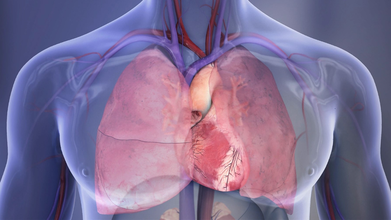
Heart attack is the world's number one killer, yet its symptoms differ for both men and women, leading to varied outcomes.
A heart attack typically occurs when cholesterol plaque builds inside the walls of arteries and causes damage to the major blood vessels.
While men typically develop plaque in the largest arteries that supply blood to the heart, in women, it accumulates in the heart’s smallest blood vessels, known as the microvasculature.
A study published today in Circulation: Cardiovascular Imaging, an American Heart Association journal, showed that women report less artery-clogging plaque. Yet, it did not protect them from heart disease compared to men.
The study showed that women faced increased heart risk at lower levels of plaque compared to men. For total plaque burden, women’s risk began to rise at 20 percent plaque burden, while men’s risk started at 28 percent.
The increasing plaque levels led to a sharper risk for women than for men.
How Heart Attack Symptoms Differ Between Men And Women
According to global studies, women are more likely than men to die from a heart attack. The major reason is the late onset of symptoms of a heart attack in women.
During a heart attack, men are likely to experience sweating, pain in the chest, arms, and legs, and shortness of breath.
While the experiences are common among women, they also tend to suffer a combination of less-recognized symptoms such as nausea, indigestion, fatigue, dizziness, and pain in the neck, jaw, throat, abdomen, or back.
The obvious chest discomfort is also sometimes absent during heart attacks in women.
Other common reasons for heart attacks in women include:
- High testosterone levels before menopause
- Hypertension during menopause
- Autoimmune diseases such as rheumatoid arthritis
- Stress and depression
Can Heart Attacks Be Prevented?
Cardiovascular diseases are mostly preventable by targeting traditional risk factors common to both women and men, which include obesity, smoking, diabetes, high blood pressure, family history and metabolic syndrome -- the co-existence of high blood pressure, obesity, and high glucose and triglyceride levels.
The American Heart Association also advises at least 150 minutes a week of moderate-intensity aerobic activity (such as brisk walking) or 75 minutes of vigorous activity (such as jogging), or a combination of both.
Include fruits, vegetables, lean proteins, whole grains, low-fat or fat-free dairy, nuts, and seeds in your diet.
Limit processed foods, added sugars, sodium, and alcohol.
Sleep Terrors In Children: Warning Signs And What Parents Should Do
Credit: Canva
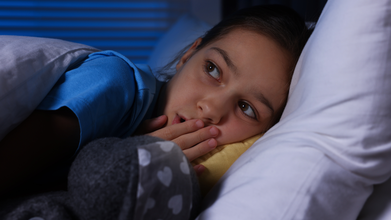
Seeing your child suddenly screaming at night, with wide eyes and thrashing limbs, can be deeply unsettling. However, remaining calm and focusing on safety is crucial for parents during the sleep terror episodes, said health experts.
Sleep terrors, also known as night terrors, are episodes of sudden fear, screaming, or intense distress that occur during sleep.
The condition is more common in children, especially between the ages of 3 and 8 years, as their sleep patterns are still maturing.
Unlike nightmares, which usually happen during dreaming (REM sleep) and are often remembered, sleep terrors occur during deep non-REM sleep.
Dr Preeti Singh, Senior Consultant, Clinical Psychology, Max Super Speciality Hospital, Dwarka told HealthandMe, that while it may be frightening to witness, especially for parents, sleep terrors themselves are usually not harmful.
Although most kids outgrow this naturally, if the episodes are violent or very frequent, consult a specialist, added Dr Sudhir Kumar, a neurologist at Apollo Hospitals, Hyderabad.
What Are Sleep Terrors
During sleep terror, the child may sit up abruptly, shout, appear frightened, sweat, breathe rapidly, and be difficult to console. In most cases, they do not recall the episode the next morning.
Sleep terrors typically occur in the first third of the night, during deep sleep (slow-wave sleep). They are considered a type of parasomnia, meaning an unusual behavior during sleep.
Dr Kumar, in a post on social media platform X, explained that unlike a bad dream, a sleep terror happens in deep sleep (Stage N3).
It is characterized by abrupt sitting up/screaming, with physical signs that include a fast heart rate, sweating, and dilated pupils.
"It is 11 PM. Your child suddenly sits up, screams at the top of their lungs, and looks terrified. They are not responding to you, and they seem to be looking right through you. This is likely a sleep terror (night terror), a common NREM sleep parasomnia in children aged 3-12,” said Dr Kumar, popularly known as the Hyderabad doctor, on X.
The expert noted that the children are unlikely to recognize the parents and be "consoled" during the episodes.
What Factors Trigger Sleep Terrors
- Sleep deprivation or irregular sleep schedules
- Fever or illness
- Emotional stress or anxiety
- Major life changes or trauma
- Family history of parasomnias
- Certain medications
For children, sleep terrors are often developmental and tend to reduce as the nervous system matures, Dr Singh told HealthanMe.
How Can Parents Respond?
Parents often feel alarmed during a sleep terror episode, but the key is to remain calm, the experts said. They said during an episode:
- Do not try to fully wake the child, as this may increase confusion and agitation.
- Gently ensure the child is safe and cannot injure themselves.
- Speak softly and reassuringly, even if they do not respond.
- Wait for the episode to pass, which usually happens within a few minutes.
Other preventive measures include:
- Maintaining a consistent bedtime routine
- Ensuring the child gets adequate sleep
- Reducing screen time before bed
- Managing stress during the day
- Creating a calm and secure sleep environment
How To Manage
Most children do not require medical treatment, as sleep terrors usually resolve on their own with age. Treatment is considered when episodes are frequent, severe, cause injury, or significantly disrupt family life.
However, addressing sleep deprivation, treating any underlying medical conditions (e.g., sleep apnea), counseling or stress management strategies can help.
Why Hypertension Is Soaring Stroke Risk, Death In Young Indians
Credit: Canva
Hypertension or high blood pressure, a major risk for stroke, is preventable and treatable. Yet it accounts for about 14 per cent of cases of stroke among young adults aged below 45 years.
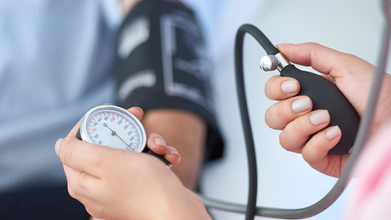
High blood pressure can be defined as the increasing pressure in blood vessels marked as 140/90 mmHg or higher.
Uncontrolled hypertension can burst or block arteries that supply blood and oxygen to the brain, causing a stroke.
A recent study by the Indian Council of Medical Research (ICMR) found that hypertension (74.5 percent) was the most common risk factor for stroke and related deaths (27.8 percent) and significant disability (about 30 per cent) across India.
“Blood vessel walls can be damaged through uncontrolled high blood pressure, making them prone to blockage or rupture. The good news is that hypertension is preventable through regular monitoring, reduced intake of salt, exercise stress control, and medication when required,” Dr. Rajul Aggarwal, Director - Neurology, Sri Balaji Action Medical Institute, Delhi, told HealthandMe.
How Does Hypertension Increase The Risk Of Stroke?
Chronic high pressure forces the brain to compensate, leading to vessel remodeling, narrowing, and eventually rupture or clotting.
The ICMR study reported that ischemic stroke accounted for 60 percent of cases.
The experts explained that in the case of ischemic stroke, high blood pressure damages artery walls, fostering plaque buildup (atherosclerosis) or allowing clots to form and block blood flow to the brain.
On the other hand, with hemorrhagic Stroke, constant strain caused by high blood pressure weakens artery walls, causing them to burst or leak blood into the brain. This can result in severe damage or life-threatening emergencies.
“When blood pressure stays high for years, it slowly strains the blood vessels -- nothing dramatic at first, which is why people ignore it. The arteries become stiff and fragile, sometimes narrowing, sometimes tearing,” Dr. Gunjan Shah, Interventional Cardiologist, Narayana Hospital, Ahmedabad, told HealthandMe.
"This makes clots or bleeding in the brain more likely, leading to ischemic or hemorrhagic stroke, even in people who otherwise feel perfectly fit and busy with daily life," Dr. Shah added.
Importance of the ‘Golden Hour’ In Stroke Care
In stroke-related cases, the golden hour -- referred to as the critical first 60 minutes after symptom onset -- is very much critical. Early medical treatment during the window can prevent death risk as well as boost health outcomes.
However, the ICMR study, published in the International Journal of Stroke, showed that just 20 percent of patients arrived in the hospital after 24 hours of the onset of symptoms.
Dr. Aggarwal said treatment within the first 60 minutes can significantly reduce the brain damage and improve survival as well.
“In a stroke, time moves very differently. Brain cells begin getting damaged within minutes when blood flow stops. If someone reaches the hospital quickly -- within the golden hour -- we have a real chance to restore circulation and limit disability. Recognising symptoms early and not waiting at home can truly change how well a person recovers,” added Dr Shah.
How Can Hypertension And Stroke Be Prevented?
Hypertension is a modifiable disease, and the risks can be reduced by:
- Cutting down and managing stress
- Checking blood pressure regularly
- Treating high blood pressure
- Eating less salt
- Staying active
- Managing stress
- Sleeping properly
- Avoiding tobacco
Dr Shah said that many young patients delay care because they feel fine, but taking medicines on time and correcting lifestyle early can prevent serious problems later.
- Follow Us :


© 2024 Bennett, Coleman & Company Limited