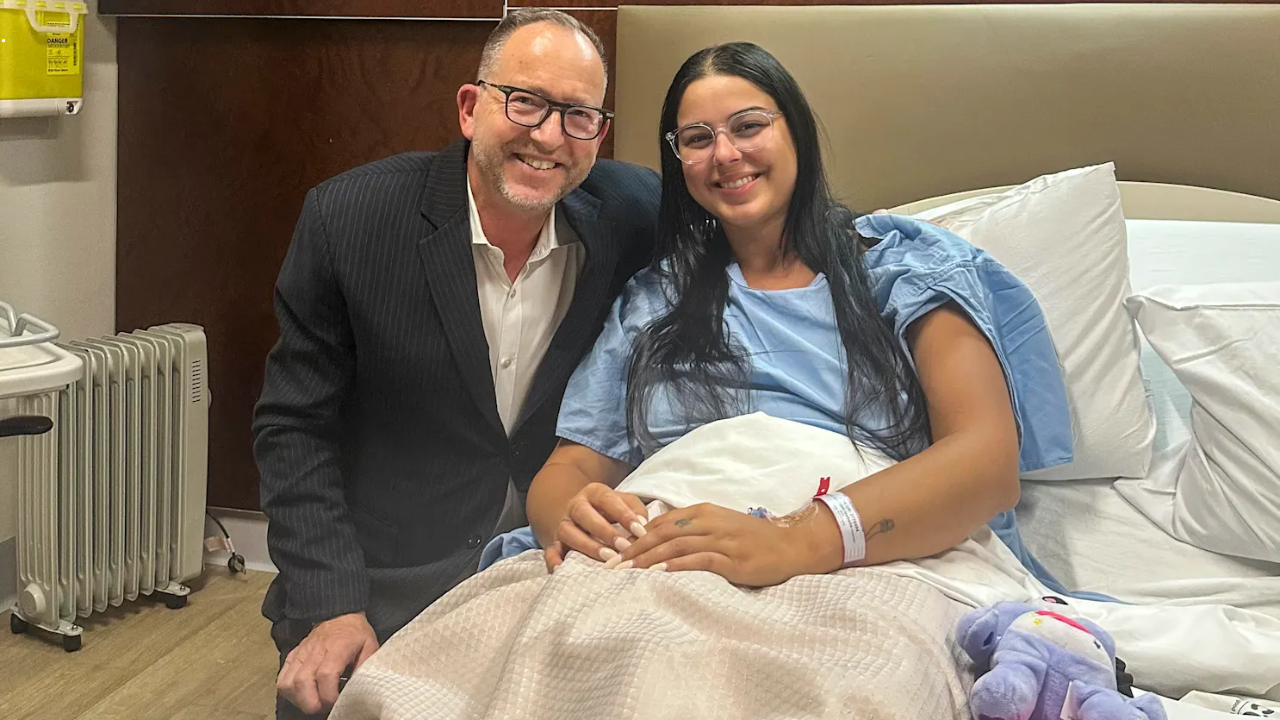
At 25, Isabelle thought she was finally close to relief. Years of pelvic pain, fatigue, and confusing diagnoses had pushed her from clinic to clinic before a gynecologist warned her that her ovary had stopped working. If it was not removed quickly, she says she was told her mobility could be affected within months. She was given an ultimatum.Terrified, she agreed.Within weeks she underwent surgery that removed her left ovary and fallopian tube as part of treatment for suspected endometriosis. She remembers signing the consent form through tears, convinced she was preventing a future disability. Like many young patients, she trusted the authority in the room.“I didn’t feel like I had a choice,” she recalls. “It sounded urgent and dangerous.”The Moment Doubt Crept InMonths later, the pain did not improve. In fact, she says it worsened.While recovering, Isabelle began requesting copies of her medical reports and scans. What she read unsettled her. Imaging taken shortly before the operation described her ovary as normal in size with follicles present, a sign it was functioning.Two independent specialists who reviewed the her medical reports told her they could not see clear clinical justification for removing the organ.That was the moment grief replaced relief.“I realized I didn’t just lose tissue,” she says. “I lost a part of my body that worked.”Living With A Changed BodyToday, Isabelle struggles to stand for long periods because of nerve pain radiating into her legs. She cannot work full time and plans her days around pain medication schedules.But the physical impact is only part of the story.She speaks often about mourning the person she was before surgery. She once baked elaborate cakes for family gatherings and rarely thought about her health. Now she measures energy in small tasks, sometimes choosing between showering and cooking.“I grieve my old body,” she says quietly. “You never imagine missing ordinary days.”The surgery also reshaped how she thinks about fertility. She froze her eggs as a precaution but worries she may never experience natural conception.A Wider Question In Women’s HealthHer experience has become part of a broader conversation about endometriosis care. The condition affects millions worldwide and often takes years to diagnose. Because symptoms can be severe and persistent, patients frequently accept aggressive treatment hoping for relief.Experts say ovary removal can be appropriate in certain cases, particularly when disease destroys tissue or cancer risk is present. However, it is usually considered a last resort after medical therapy and conservative surgery fail.The gap between fear and informed consent can be wide. Chronic pain makes urgency persuasive, and young patients often rely heavily on a doctor’s reassurance.Searching For ClosureIsabelle is now seeking legal advice and psychological therapy while trying to rebuild trust in healthcare. She keeps copies of every scan and report and encourages others to do the same.Her biggest wish is not compensation but clarity.“I just wanted honesty about options,” she says. “Even if I still needed surgery, I needed time to understand what I was losing.”For her, recovery now means learning to live in a body that feels unfamiliar and accepting a decision she cannot undo.