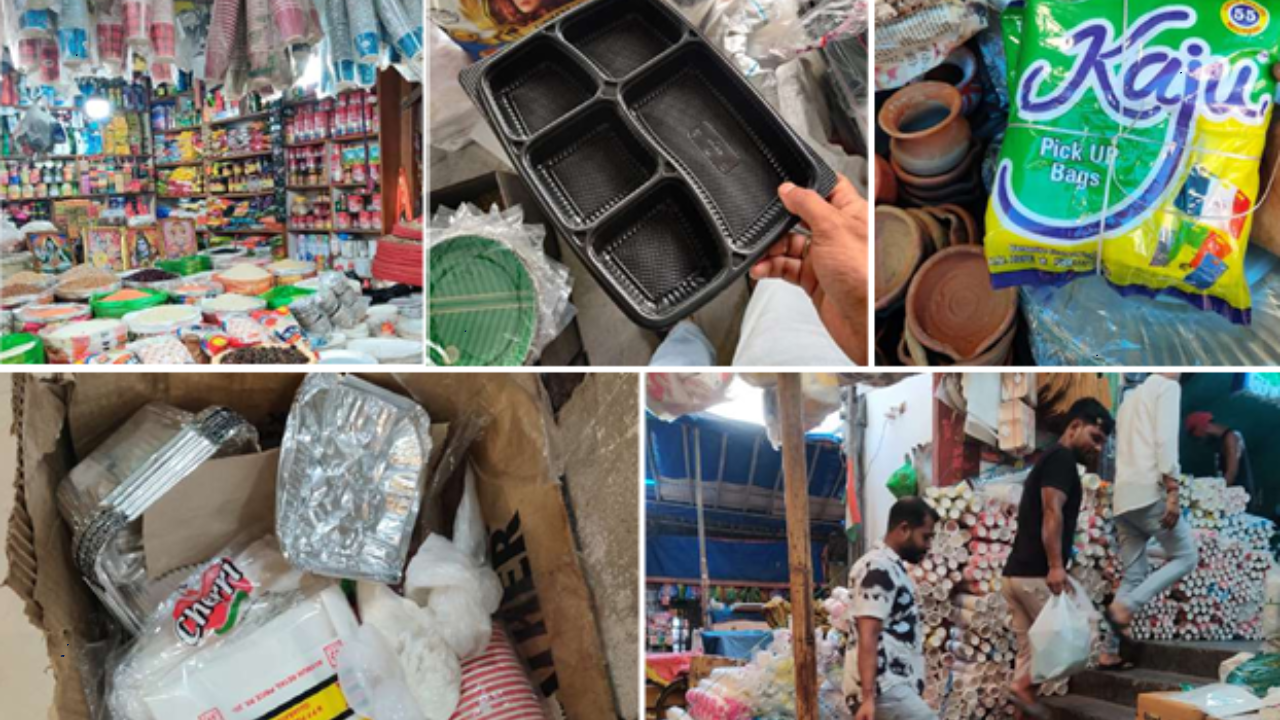
While India’s Ministry of Environment, Forest, and Climate Change (MoEFCC) enforced a nationwide ban on identified single-use plastic (SUP) items from July 1, 2022, a new survey showed that violations continue to persist across major cities in the country, raising significant health and environmental risks. The survey of 560 locations by Toxics Link -- an Indian environmental research and advocacy organization -- showed that 84 percent of sites across Delhi, Mumbai, Guwahati, and Bhubaneswar still use or sell banned plastic items. Bhubaneswar recorded the highest availability of banned SUPs at 89 percent of survey locations, followed by Delhi at 86 percent, Mumbai at 85 percent, and Guwahati at 76 percent. The survey noted that high use among street food vendors, juice shops, coconut water sellers, vegetable vendors, and ice cream parlours."The continued presence of banned plastic items in a majority of locations suggests that enforcement remains inconsistent,” said Ravi Agarwal, Director of Toxics Link. “Unless implementation improves and the supply of these products is controlled, the ban will not effectively address plastic littering and pollution,” he added. How Plastics Can Harm Your Body Plastic carry bags, disposable plastic cutlery, cups, plates, and straws often contain chemicals like BPA and phthalates, which can interfere with the body’s hormonal balance. BPA is an industrial chemical used to make certain plastics and resins, and its exposure has been linked to several health conditions, including an increased risk of high blood pressure. Phthalates, another group of chemicals used to make plastics more flexible, have been found to disrupt the endocrine system, leading to potential health issues. Also read: Your Kids’ Fast-fashion Clothing May Be Laced With High Levels of Toxic LeadStudies have proven that BPA and phthalates can mimic the body’s hormones, particularly estrogen. This interference can disrupt the normal functioning of the cardiovascular system, leading to increased blood pressure. Plastics also contain some highly toxic chemicals, such as flame retardants, per- and polyfluoroalkyl substances (PFAS), that can migrate into the environment and into human bodies.According to a report by WWF, an average person could be ingesting approximately 5 grams of plastic every week. Scientific studies have proven that the health effects of plastics include cancer or changing hormone activity (known as endocrine disruption), which can lead to reproductive, growth, and cognitive impairment. Recent evidence also indicates that humans constantly inhale and ingest microplastics through contaminated seafood, including fish and shellfish. In addition, microplastics have been found in tap water, bottled water, and even commonly consumed beverages, such as beer and salt. How to Reduce the Disease Risks?The UNDP urges individuals, organizations, and governments to work together to manage plastic waste, reduce plastic usage,transition to a more sustainable and resilient environment. Other options include Opting for BPA-free and phthalate-free optionsSwitching to reusable water bottles, plates, and cutlery made from glass, stainless steel, or other safe materials can significantly reduce exposure to harmful chemicals. Avoid exposing plastic bottles or lunch boxes to high temperatures, as heat can accelerate the leaching of chemicals into the water.