
- Health Conditions A-Z
- Health & Wellness
- Nutrition
- Fitness
- Health News
- Ayurveda
- Videos
- Medicine A-Z
- Parenting
Sudden Cardiac Death Risk Far Higher in People With Diabetes, Reveals New Study
Credits: iStock
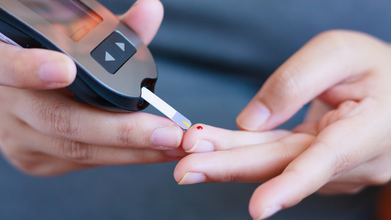
A new study in the European Heart Journal has shed light on a worrying trend. People living with Type 1 and Type 2 diabetes face a much higher risk of sudden cardiac death, and this risk contributes to a significant loss of life expectancy. The findings also suggest that the true burden of sudden cardiac death in the diabetes population has been underestimated until now.
A Higher and Earlier Risk Than the General Population
Sudden cardiac death refers to an unexpected loss of heart function, often triggered by a sudden electrical disturbance in the heart. While many people assume this happens mainly to those with known heart problems, earlier research has shown that a large number of cases occur in individuals without diagnosed cardiac disease. This means vulnerable groups like people with diabetes may slip through the cracks of current prevention strategies.
Also Read: Is There A Link Between Your Kidney Health And Other Chronic Diseases? Lancet Study Says Yes
People with diabetes already face a shorter lifespan compared to the general population. On average, a 30-year-old with Type 1 diabetes loses about 14.2 years of life, while someone with Type 2 diabetes loses around 7.9 years. A major share of this reduction is linked to cardiovascular disease, and the latest study estimates that sudden cardiac death alone accounts for 3.4 years lost in Type 1 diabetes and 2.7 years in Type 2 diabetes.
What the Danish Study Revealed
To better understand the scale of the problem, researchers examined a nationwide cohort that included every person living in Denmark throughout 2010. For those who died during that year, detailed information was collected from medical records, autopsy findings when available, and death certificates. Two physicians independently reviewed every potential sudden death to ensure accuracy.
The dataset included more than 5.5 million people. During the year, 54,028 deaths occurred, and more than 14 percent were sudden deaths. People with diabetes made up a significant portion of these cases. There were 25,020 individuals with Type 1 diabetes and 172,669 with Type 2 diabetes, with 97 and 1,149 sudden cardiac deaths recorded in each group.
People with diabetes who experienced sudden cardiac death tended to be younger and more often male compared with people without diabetes. They also carried a heavier burden of other medical conditions, including ischemic heart disease, heart failure, arrhythmias, kidney disease, and even mental health issues. A notable proportion of these patients had also been hospitalized for diabetes-related complications such as hypoglycemia, which researchers believe could play a role in triggering sudden cardiac events.
Numbers That Highlight the Gap
The incidence of sudden cardiac death in the general population was 105 per 100,000 person years. In contrast, it climbed to 394 for people with Type 1 diabetes and 681 for those with Type 2 diabetes. The relative risk was especially striking among younger adults. For example, people between 30 and 40 with Type 1 diabetes had more than twenty times the risk compared to those without diabetes.
A Clear Need for Better Prevention
The research team used multiple statistical models to adjust for factors like age and existing disease, and diabetes consistently emerged as an independent risk factor. The findings confirm that sudden cardiac death is responsible for a meaningful portion of life years lost in people with diabetes. They also point to a need for better screening, earlier management of cardiovascular risks, and more focused research into why this group is so vulnerable.
Demi Moore’s Drastic Weight Loss Makes Her Look Weak, Netizens Ask If She Took Ozempic

Credits: Instagram
When Demi Moore stepped onto the red carpet at the 2026 Actor Awards, the conversation quickly shifted away from couture and glamour. The 63 year old actor wore a striking black Schiaparelli gown with a dramatic feathered train, but what truly caught public attention was her noticeably thinner frame.
Photos from the event spread rapidly across social media, and many fans expressed worry over what they described as a “skeletal” appearance. Some questioned whether the transformation was intentional. Others speculated whether she may have used Ozempic, the diabetes medication that has become synonymous with rapid celebrity weight loss.
There has been no confirmation that Moore used any weight loss medication. Still, the public reaction reflects a growing anxiety about how quickly bodies can change in the era of injectable weight loss drugs.
The Ozempic Question
Ozempic was originally developed to help manage type 2 diabetes. Its active ingredient, semaglutide, works by mimicking a hormone that regulates blood sugar and appetite. Over the past few years, it has gained immense popularity for its ability to produce significant weight loss.
But as prescriptions surged, so did questions about side effects. One of the biggest concerns is loss of lean mass, which includes muscle.
Research published in Cell Metabolism examined how semaglutide affects body composition. In animal studies, overall lean mass dropped by about 10 percent during weight loss. Interestingly, much of that loss was not from skeletal muscle but from organs like the liver, which can shrink as body fat decreases. Some skeletal muscles did shrink slightly, by about 6 percent on average, while others remained unchanged.
However, other human studies suggest that people taking semaglutide may lose a substantial amount of muscle along with fat. One study found that around 39 percent of the weight lost was muscle. Research on tirzepatide, another injectable drug, showed muscle loss closer to 25 percent of total weight reduction.
It is important to note that muscle loss is not unique to Ozempic. Anytime someone loses a large amount of weight, whether through dieting, surgery, or medication, about one quarter to one third of that loss can come from muscle. When calories are restricted, the body taps into stored energy from glycogen, fat, and muscle.
The problem is that muscle matters. Losing muscle lowers metabolic rate, increases fatigue, and can raise the risk of falls or injury, especially in older adults. For women over 60, rapid weight loss may also affect bone health.
Why Rapid Weight Loss Raises Red Flags
When a public figure appears dramatically thinner within a short span of time, people naturally worry. Rapid weight loss can sometimes signal aggressive calorie restriction, illness, or medication side effects.
Even when weight loss is intentional, the speed matters. Quick changes can strain the body, impact strength, and alter facial structure, which may explain why some fans said Moore looked “different” rather than simply “slimmer.”
Healthy weight loss is not just about a number on the scale. It is about preserving muscle, supporting metabolism, and protecting long term health.
How To Lose Weight Without Losing Strength
If someone chooses to pursue weight loss, whether naturally or with medical supervision, protecting muscle should be a priority.
Prioritize protein. Most adults aiming for fat loss need between 60 to 90 grams of high quality protein daily. Protein supports muscle repair and helps maintain lean mass, especially when appetite is reduced.
Strength train consistently. Resistance training at least three to four times a week signals the body to hold onto muscle. Lifting weights, using resistance bands, Pilates, or bodyweight exercises all help.
Do weight bearing cardio. Walking, tennis, or light jogging can support both bone density and muscle retention.
Stay hydrated. Muscle is largely made of water. Dehydration can worsen fatigue and impair recovery.
Aim for slow, steady loss. Losing weight gradually gives the body time to adapt and reduces the risk of excessive muscle breakdown.
Demi Moore’s appearance has reignited a broader conversation about beauty standards, aging, and the pressures surrounding thinness. Regardless of the cause behind her transformation, the moment highlights an important truth. Sustainable health is about strength, balance, and care, not just shrinking numbers on a scale.
Not All Vitamins Work The Same For Women: What and When To Take|Women's Day Special

Multivitamins are essentially dietary supplements containing a combination of various vitamins and minerals, often used to bridge nutritional gaps in the diet, treat deficiencies caused by poor nutrition or illness and support overall health.
Designed to provide a broad range of nutrients in one daily dose, they are available in tablets, capsules, gummies or liquids and are widely recommended to adults of all ages and genders.
But which vitamins do women need and when should you be taking them?
Dr Yashica Gudesar, Director & Unit Head of Obstetrics & Gynecology, Max Super Speciality Hospital, Dwarka exclusively tells Healthandme: "A woman’s nutritional needs change at different stages of life, from adolescence to reproductive years, pregnancy, and menopause. While food should always be the primary source of nutrients, certain vitamins may be required as women age or depending on lifestyle, diet, and health conditions."
"There’s honestly no universal vitamin checklist that works for every woman. The needs change with age, lifestyle, stress, whether one is planning a pregnancy, and of course, what the blood reports actually show," Bhakti Samant, Chief Dietician, Kokilaben Dhirubhai Ambani Hospital further told this publication.
Here are the supplements you need to stock your medicine cabinet with:
1. Vitamin D
Vitamin D is a fat-soluble nutrient essential for strong bones, immune function, and calcium absorption, often synthesized when skin is exposed to sunlight or obtained via food and supplements.
Symptoms of Vitamin D deficiency include bone pain, muscle weakness, and depression. Deficiencies are common due to low sun exposure or poor diet, leading to rickets in children and osteomalacia or osteoporosis in adults.
However, this can be avoided by consuming a combination of calcium and Vitamin D supplements. Dr Ginni Kalra, Head Dietician, Aakash Healthcare explained to Healthandme: "One of the frequently deficient nutrients in women is vitamin D. It is very important in calcium absorption, bone density, immune homeostasis and mood balance. In most adult women, the amount needed is 600-800 IU (15-20 mcg) per day although deficient women can take 1000-2000 IU per day under the supervision.
"Calcium is necessary in bone density especially in women post-menopause who experience rapid bone loss owing to the diminishing estrogen. Adult women should take 1,000 mg per day that rises to 1200 mg past 50 years. Calcium supplements are most ideal in separated doses of 500-600 mg each time and preferably following meals. When combined with vitamin D, absorption will enhance much better."
"Calcium becomes especially important after the age of 30, and even more after menopause. It can be taken after meals, often divided into two doses for better absorption," Dr Gudesar added.
Moreover, Samant advised: "Vitamin D is best taken with a meal that has some fat. Calcium (around 1000–1200 mg daily) is better split into two doses and should not be taken with iron."
2. Iron
A vital mineral, iron plays a very crucial role in human functioning by helping create hemoglobin to transport oxygen throughout the body, essential for energy and muscle function. Low iron levels can result in decreased oxygen transport and leading to symptoms like extreme fatigue, weakness, pale skin, cold hands/feet and shortness of breath.
While an iron deficiency is usually caused by poor diet, blood loss due to menstrual periods, ulcers, cancer, or regular use of pain relievers like aspirin or malabsorption issues, it can be remedied through supplements.
Dr Kalra explains: "Iron is also essential especially in menstruating women because they lose blood monthly. It may result in an iron deficiency which causes fatigue, loss of hair, brittle nails, and poor concentration. The acceptable amount of iron that is recommended to be taken by women aged 19 to 50 is approximately 18 mg, but this reduces to 8 mg after menopause.
"Iron supplements are better absorbed on an empty stomach or when taken with vitamin C and not when they are taken with calcium, tea or coffee as they have been found to interfere with absorption. The intake in the morning is usually desirable, but in case of gastrointestinal discomfort, it should be avoided."
3. Vitamin C
Vitamin C is essential for the body because it serves as a powerful antioxidant, supports the immune system, and is crucial for the synthesis of collagen, which is vital for wound healing and the maintenance of healthy skin, bones, and blood vessels.
It also enhances the absorption of iron from plant-based foods and protects cells from damage caused by free radicals, potentially reducing the risk of chronic diseases like cancer and heart conditions.
While, foods such as oranges, lemons, red and green peppers, kiwifruit, broccoli, strawberries, and Brussels sprouts can provide help maintain Vitamin C levels, supplements can help boost absorption and maximize benefits.
Dr Kalra notes: "Vitamin C helps to maintain the immunity, collagen synthesis, and iron uptake. It should be taken in 75 mg daily by adult women. It is soluble in water and can be consumed together with breakfast."
Additionally, she also recommends intaking: "Vitamin E and vitamin A also help the skin, vision, and antioxidant defense, but overconsumption is not advisable because it may be toxic."
4. Omega 3
Omega-3 fatty acids are polyunsaturated fats known for their crucial role in brain function and overall mental health. Fish oil is particularly rich in EPA and DHA, which are vital components of cell membranes and have strong anti-inflammatory effects in the body.
These omega-3s play a critical role in human development, and they are primarily found in fatty fish and fish oil. Some popular sources of Omega-3 include:
- Salmon
- Cod Liver Oil
- Algae Oil
- Oysters
- Nuts and seeds, such as flaxseeds, chia seeds, and walnuts
- Plant oils, such as flaxseed oil, soybean oil, and canola oil
- Fortified foods, such as eggs, yogurt, juices, milk, etc.
But as many people do not consume enough fish, supplementation is often recommended to ensure adequate intake of these essential fatty acids.
Dr Kalra suggests: "Though not vitamins, omega-3 fatty acids are worth mentioning because of the cardiovascular, hormonal, and anti-inflammatory effects. About 250–500 mg of combined EPA and DHA a day may be helpful and is most often administered after meals."
5. Vitamin B12
Vitamin B12 (cobalamin) is a crucial water-soluble vitamin necessary for brain health, nerve tissue, red blood cell formation, and DNA synthesis. It helps the body produce red blood cells, supports your nervous system and essential for making DNA, which is the genetic material inside all your cells.Symptoms of a Vitamin B12 deficiency often appear slowly. You may not notice them at first, or may blame them on stress, lack of sleep or a busy schedule. However, if the deficiency continues for long, it could lead to serious health problems.
Dr Gudesar recommends: "Vitamin B12 supports nerve health and energy levels. Vegetarian women are more prone to deficiency. It is typically taken in the morning."
"Vitamin B12 is needed to promote nerve well-being, red blood cell building, and energy conversion. The chances of deficiency are increased in vegetarian women because B12 is mostly found in foods of animal origin. The suggested daily dose is 2.4 mcg, but the dosage can be raised in deficiency. It is preferable in the morning as it could increase alertness," Dr Kalra explained.
However, Dr Kalra also advises: "There should be individualization of supplement timing and dosage. Decisions should be based on routine blood tests, dietary assessment, age, lifestyle, and existing medical conditions.
"Excessive supplementation is detrimental, in particular, fat-soluble vitamins. The only safe and effective approach is nutritional adequacy by means of whole foods, and supplements are the supportive therapy only in cases where deficiencies are observed."
Tiny Ears at Risk: An ENT Surgeon’s Warning on Children’s Hearing in the Digital Age

Credit: Canva
The digital revolution has transformed childhood. From online classes to gaming and entertainment, headphones and earphones have become constant companions for children. While technology has brought convenience and learning opportunities, it has also introduced a silent threat, damage to children’s hearing.
In my clinical practice as an ENT surgeon, I am witnessing an alarming increase in young patients presenting with symptoms such as ear discomfort, ringing in the ears (tinnitus), and reduced hearing ability. These issues, once uncommon in children, are now becoming increasingly frequent due to excessive and unsafe use of personal audio devices.
Understanding the Risk
The primary concern is noise-induced hearing loss, caused by prolonged exposure to loud sounds. When children use earphones at high volumes for extended periods, delicate hair cells in the inner ear get damaged. Unfortunately, this damage is permanent and cannot be reversed.What makes the situation more concerning is that children often do not recognize the early warning signs. By the time symptoms become noticeable, significant damage may have already occurred.
The 60/60 Rule: A Simple Preventive Measure
One of the most effective ways to protect hearing is by following the 60/60 rule:• Listen at no more than 60% of the maximum volume
• Limit usage to 60 minutes at a time, followed by a break
This simple guideline can significantly reduce the risk of hearing damage and should be strictly followed by children and adolescents.
Warning Signs Parents Must Watch For
Parents play a crucial role in early detection. Some common warning signs include:• Frequently increasing the volume of devices
• Complaints of ringing, buzzing, or ear pain
• Difficulty in hearing conversations
• Speaking unusually loudly
If any of these symptoms are noticed, it is important to consult an ENT specialist promptly.
Promoting Safe Listening Habits
Preventing hearing loss requires consistent effort and awareness. Here are some practical tips:1. Limit Earphone Use: Encourage children to use speakers whenever possible instead of earphones.
2. Choose Safer Devices: Over-the-ear headphones are generally safer than in-ear earbuds as they reduce direct sound impact.
3. Ensure Quiet Environments: Avoid using headphones in noisy surroundings, as children tend to increase volume to compensate.
4. Take Regular Breaks: Continuous listening should be avoided. Short breaks help the ears recover.
5. Avoid Night-time Use: Using headphones before sleep can harm both hearing and sleep quality.
A Shared Responsibility
Protecting children’s hearing is not solely the responsibility of doctors. Parents, teachers, and schools must work together to create awareness about safe listening practices. Educational institutions can include digital health education, while parents should monitor and guide their children’s device usage.Routine hearing check-ups should also be encouraged, especially for children who frequently use headphones for study or entertainment.
The digital age is here to stay, and technology will continue to play a central role in children’s lives. However, safeguarding their health must remain a priority. Hearing is a precious sense that, once lost, cannot be restored.
By adopting simple precautions, spreading awareness, and encouraging responsible use of technology, we can ensure that our children enjoy the benefits of the digital world, without compromising their hearing health.
- Follow Us :


© 2024 Bennett, Coleman & Company Limited