
- Health Conditions A-Z
- Health & Wellness
- Nutrition
- Fitness
- Health News
- Ayurveda
- Videos
- Medicine A-Z
- Parenting
Taking Diazepam Or Alprazolam? Four Warning Signs Doctors Say You Must Watch For
Credits: AI Generated
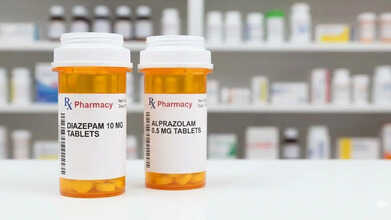
A pharmacist has raised concerns for an estimated 4.8 million people in the UK who may be taking medicines such as diazepam or alprazolam. Fresh findings from Oxford Online Pharmacy suggest that one in five adults has obtained prescription-only drugs through illegal means. Anti-anxiety medicines top the list. Based on current population estimates, this could involve up to 4.8 million adults.
Another 10 percent of respondents said they had been offered medicines from unlicensed and unlawful sources, including online sellers, salons, corner shops, or even friends and family, although they chose not to take them.
As part of the study, a nationally representative group of UK adults was asked whether they had bought, received, or been offered medication from an unlicensed source. Among those who said yes, more than a third, around 35 percent, reported obtaining anti-anxiety medicines. These included selective serotonin reuptake inhibitors (SSRIs), serotonin-norepinephrine reuptake inhibitors (SNRIs), and benzodiazepines such as Valium (diazepam) and Xanax (alprazolam), according to a report by the Mirror.
What Are Diazepam And Alprazolam Used For?
Diazepam, sold under the brand name Valium, and alprazolam, commonly known as Xanax, belong to a group of medicines called benzodiazepines. They work by calming activity in the brain and are mainly prescribed to manage anxiety. Diazepam is also used to treat seizures, muscle spasms, and symptoms of alcohol withdrawal.
Alprazolam, on the other hand, is more commonly prescribed for panic disorder. Diazepam stays in the body for longer, which makes it useful in withdrawal treatment, while alprazolam acts more quickly and is often chosen for sudden panic symptoms. Both medicines slow down the central nervous system to ease anxiety, but because of their effects and differences in how long they last, they should only be used under close medical guidance, as per Medicine Net.
Diazepam And Alprazolam: Why Are Doctors Warning Against It?
Kiran Jones, a clinical pharmacist at Oxford Online Pharmacy, has issued a strong warning for anyone thinking about using, or already using, anti-anxiety medicines sourced from the black market. “Anxiety is the most common mental health condition worldwide. At any given time, around 4 to 5 percent of people are living with an anxiety disorder. With such high numbers, it is not surprising that there is a growing illegal market for anti-anxiety drugs alongside those prescribed by qualified healthcare professionals. However, this trend is deeply worrying,” Jones said.
She explained that some benzodiazepines bought illegally are made to look like genuine prescription medicines but are actually counterfeit. These fake pills may contain extremely dangerous or even fatal substances, including synthetic opioids such as fentanyl. There is also a significant risk of addiction with these medicines, especially when they are taken over long periods. Over time, the body can develop tolerance, meaning higher doses are needed to achieve the same effect, which can quickly lead to dependence.
According to doctors and NHS guidance, there are several red flags people should be aware of:
Medication Appearance
If you have previously taken anti-anxiety medication, you may notice differences in the size or shape of tablets compared to what you were originally prescribed. If you are unfamiliar with the medicine, it is important to check online what the genuine product should look like and what the usual dosages are. You might also spot spelling mistakes in the drug name, manufacturer details, or listed ingredients, as well as differences in packaging design.
As per Mirror, these are often clear warning signs of a fake product. Proper packaging should always be sealed. If it appears opened, tampered with, or simply seems off, you should not take the medicine.
Medication Quality
Genuine medicines are produced to a consistent standard and should look uniform. Tablets should not be cracked, unevenly coated, or crumble easily when touched. Any signs of mould inside blister packs or containers should be treated as a serious warning sign.
You Have To Pay In Cash Or Via Bank Transfer
Reputable pharmacies and healthcare providers use secure and traceable payment systems. Requests for cash payments or bank transfers are commonly used by illegal sellers to avoid being identified and to keep transactions untraceable.
This lack of traceability makes it much harder to report scams, track down sellers, or get help if something goes wrong. If you come across an online provider and are unsure whether it is legitimate, you should check whether it is registered with the General Pharmaceutical Council before making any purchase. The UK government’s FakeMeds campaign also offers practical guidance on how to identify suspicious online sellers.
Disclaimer: This article is for general information only and should not be taken as medical advice. Always consult a qualified doctor, pharmacist, or healthcare professional before starting, stopping, or changing any medication, especially if you have an existing medical condition, are pregnant, breastfeeding, or taking other drugs.
Vitamin B12 And D3 Deficiencies Could Lead To Serious Health Issues, Experts Warn
Credits: AI Generated
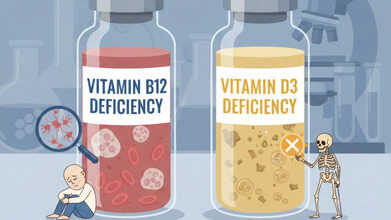
Vitamin deficiencies are often brushed aside as minor nutritional gaps. Many people assume they can be fixed later or ignored until something feels seriously wrong. According to Dr Prabhat Ranjan Sinha, Senior Consultant, Internal Medicine at Aakash Healthcare, this casual attitude can be risky, especially when it comes to Vitamin D3 and Vitamin B12. Both nutrients play a central role in bone strength, nerve function, immunity, and energy levels. When their levels drop, the damage may build quietly and surface only when daily life starts to feel difficult.
Vitamin D3 and Vitamin B12 are essential for overall wellbeing. Their deficiency may not cause obvious symptoms at first, but over time they can affect how the body functions, how often a person falls sick, and how energetic or mentally sharp they feel.
Vitamin B12 And D3 Deficiencies: The Sunshine Vitamin And Why It Matters
Vitamin D3, often called the sunshine vitamin, is produced by the body when skin is exposed to sunlight. Along with calcium, it helps maintain strong bones and reduces the risk of fractures. Low levels of Vitamin D3 can weaken muscles, increase the risk of falls, and raise the chances of bone disorders such as osteoporosis. In children, severe deficiency can lead to rickets, a condition that affects normal bone growth.
Dr Sinha explains that Vitamin D3 does more than support bone health. It also plays a key role in immune function. People with low levels may fall sick more often and take longer to recover from infections. Research has also linked deficiency to higher levels of inflammation in the body.
Despite living in a country with abundant sunlight, Vitamin D3 deficiency is widespread. Urban lifestyles keep many people indoors for long hours. Regular use of sunscreen, limited outdoor activity, and aging all reduce the body’s ability to produce and absorb this vitamin. Diet alone rarely provides enough Vitamin D3, which is why deficiency remains common even among people who eat well.
Vitamin B12 And Its Silent Impact
Vitamin B12 is equally important but often overlooked. It is essential for nerve health, brain function, and the production of healthy red blood cells. Unlike some deficiencies that show early warning signs, B12 deficiency tends to develop slowly. Its symptoms are often mistaken for stress, aging, or routine fatigue.
Low Vitamin B12 levels can cause weakness, persistent tiredness, tingling or numbness in the hands and feet, memory problems, mood changes, and difficulty concentrating. Over time, untreated deficiency can lead to nerve damage and anemia.
Certain groups are at higher risk. Vegetarians and vegans often do not get enough B12 because it is mainly found in animal-based foods. Older adults may struggle to absorb B12 due to reduced stomach acid. People with digestive disorders and those taking long-term acid-reducing medications are also more vulnerable.
Why These Deficiencies Are Missed?
One of the biggest challenges with Vitamin D3 and B12 deficiencies is that their symptoms overlap with many common health complaints. Ongoing fatigue, joint pain, low mood, or frequent illness are often blamed on work stress, poor sleep, or lifestyle habits. As a result, people delay medical advice until symptoms start interfering with everyday life.
Dr Sinha notes that this delay can make recovery slower and complications more likely.
Vitamin B12 And D3 Deficiencies Diagnosis And Timely Care
Simple blood tests can accurately detect Vitamin D3 and B12 deficiencies. However, many people only get tested once symptoms become severe. Early diagnosis allows for timely treatment, which may include supplements, dietary changes, and lifestyle adjustments under medical guidance.
Addressing these deficiencies early is one of the simplest ways to protect long-term health. Adequate sunlight exposure, balanced nutrition, and routine screening can help maintain healthy levels. Taking Vitamin D3 and B12 deficiencies seriously is a small step that can prevent lasting health problems and support healthier aging.
Why Do Sinus Problems Spike In Winter? Doctor Reveals

Credits: Canva
As winter approaches, many people notice an increase in sinus- and ear-related issues. Symptoms such as nasal congestion, facial pressure, headaches, ear pain, and dizziness become more frequent during this season. According to Dr. Swapnil Brajpuriya, Associate Director & Head Unit II – ENT at Asian Hospital, the combination of cold air, low humidity, and sudden temperature changes are the main reasons why sinus and ear problems worsen in winter.
Why Does Cold Air Cause Sinus Blockage?
The sinuses are air-filled cavities within the facial bones that connect to the nose and play a key role in the breathing process. During winter, the cold, dry air dries out the nasal lining, causing the mucus to thicken. Thickened mucus slows down normal sinus drainage, leading to congestion and blockage.
Dr. Brajpuriya explains, “In winter, the nasal mucous membrane tends to dry out, preventing proper drainage of mucus from the sinuses. This leads to congestion and sinus blockage.”
The Link Between Ear Heaviness, Headache, and Dizziness
The sinuses and ears are connected via the Eustachian tube, which regulates pressure between the middle ear and the environment. When sinus inflammation or blockage occurs, it can create pressure in the ears, causing a feeling of fullness, reduced hearing, headaches, and sometimes dizziness.
“Sinus infections can block the Eustachian tube, causing pressure buildup inside the ear. This pressure is often responsible for the headaches and dizziness experienced by patients,” says Dr. Brajpuriya.
Why Are Infections More Common in Winter?
Winter months often mean spending more time indoors in closed, crowded spaces, which increases the risk of viral and bacterial infections spreading. Additionally, colder temperatures and seasonal changes can weaken the immune system, making common colds and flu more likely to develop into sinusitis or middle ear infections.
Dr. Brajpuriya adds, “If a cold or flu is not treated promptly, it can progress to a sinus or middle ear infection, particularly in children and the elderly.”
Who Should Be Extra Careful?
Certain groups are more susceptible to sinus and ear problems during winter. People with allergies, asthma, frequent colds, weak immunity, or pre-existing sinus conditions need to be extra vigilant. Smokers are also at higher risk, as smoke can irritate the nasal and sinus lining, exacerbating congestion and inflammation.
Sinus Treatment and Prevention Tips
To manage and prevent winter-related sinus and ear issues, Dr. Brajpuriya recommends the following precautions:
- Keep your nose and ears protected from cold air using scarves or masks.
- Stay hydrated by drinking plenty of water to keep mucus thin.
- Minimise exposure to dust and allergens indoors.
- Seek medical advice if nasal congestion, ear pain, or dizziness persists for more than a few days.
He emphasizes, “Neglecting sinus and ear problems can lead to chronic infections. Timely treatment and proper care are essential to prevent complications.”
Cold air, dry weather, and viral or bacterial infections are the key factors behind the increase in sinus and ear problems during winter. With simple preventive measures, adequate hydration, protecting the nose and ears, and seeking early medical care, most people can manage these seasonal issues effectively and reduce the risk of complications.
Norovirus Cases Rise In The UK: How To Avoid Catching The Winter Vomiting Bug

Credits: AI Generated
Winter creates the perfect setting for coughs, colds, and stomach bugs. With people spending longer hours indoors, infections pass from person to person more easily. Right now, one virus in particular is spreading fast across the UK.
Norovirus, often referred to as the winter vomiting bug, is circulating widely. Several NHS trusts have announced a “critical incident” after a sharp rise in hospital admissions linked to norovirus and flu. A critical incident is declared when Accident and emergency departments are no longer able to provide all services safely.
With cases climbing this winter, many are asking the same question: how can you protect yourself from catching the winter vomiting bug?
What Is Norovirus?
Norovirus is one of several viruses that infect the gut and cause symptoms such as diarrhoea, vomiting, and stomach cramps. These symptoms can continue for a few days and, in some cases, may lead to severe dehydration. Outbreaks are often reported in settings like cruise ships, nurseries, and care homes. You may have heard it called the “cruise ship virus.” These environments make it easier for the virus to spread because people are in close contact and often share food and drink sources.
Norovirus Symptoms To Take Note Of
Symptoms of norovirus typically appear between 12 and 48 hours after exposure, according to the California Department of Public Health (CDPH). People may experience repeated bouts of vomiting and diarrhoea throughout the day, with symptoms usually lasting one to three days.
As per the NHS, other symptoms include:
- Nausea and vomiting, often sudden and intense.
- Diarrhoea with loose, watery stools.
- Abdominal pain, including cramps and discomfort.
- Body aches, such as muscle pain and general weakness.
- Headaches.
- A mild fever.
Norovirus: How Can You Avoid Getting The Winter Vomiting Bug?
Try not to eat food prepared by anyone who is unwell or has recently been sick, although this is not always easy to manage. One of the most effective precautions is regular handwashing. Clean your hands with soap and water for at least 20 seconds, especially at key moments.
A useful habit is to wash your hands before putting anything in your mouth. This becomes even more important in group settings or if you are near someone who is ill.
If norovirus is a concern, make sure to wash your hands before eating in these situations:
- At shared meals, after serving dishes have been passed around and you have filled your plate.
- While snacking, if you are using shared utensils or pouring drinks from a communal bottle.
- After shaking hands when greeting people at gatherings involving food or drinks.
- In restaurants, after touching shared items such as menus or buffet and salad bar utensils.
- At work, if you are eating while using a computer or shared equipment.
- If washing your hands is not possible before handling food, it may be safer to eat using utensils only.
With proper care, most people bounce back from norovirus without complications. Staying well hydrated, getting enough rest, and managing symptoms should be your focus, while strict hygiene and isolation help stop the virus from spreading to others.
- Follow Us :


© 2024 Bennett, Coleman & Company Limited