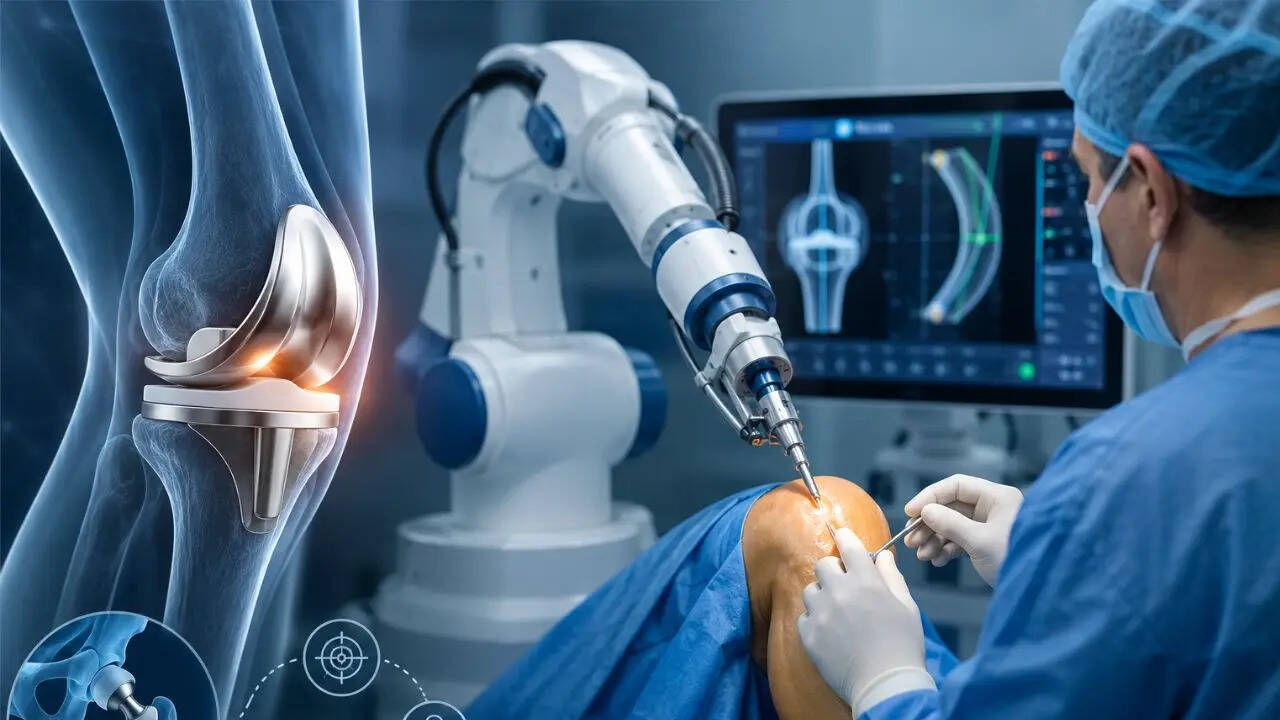
Joint replacement surgery was one of the most successful surgeries in modern medicine, allowing millions of people to enjoy the benefits of mobility and pain relief despite the debilitating effects of advanced arthritis and joint damage. The use of robotic-assisted technology is ushering in a new era in orthopaedic surgery today. Robots are not taking the place of surgeons, but they are helping to improve accuracy in surgery, to aid in planning, and to help provide more personal care. Robotic Surgery Supports, Not Replaces, the SurgeonAs an orthopaedic surgeon, I see patients all the time who think that the surgery is done by itself, the robot. In fact, this is a procedure that is performed by the surgeon and the robot. The robot serves as an advanced surgical assistant, giving the surgeon real-time guidance and very accurate measurements, but all key decisions and surgical steps are still left up to the surgeon. Precision Drives Better Joint Replacement OutcomesAlso read: Your Joints Are Working Overtime. Are You Helping Them or Hurting Them?Precision is the biggest benefit of robotic joint replacement. Each patient's anatomy is different and subtle differences in bone alignment, ligament balance and implant placement can affect the long-term success of a joint replacement. Robotic systems utilize detailed imaging and computer mapping to develop a plan for a surgery that is unique to the patient before or during the surgery. This will help to maintain a more accurate placement of the implant so that the joint can be more accurately recreated and moved as it is designed to move.This accuracy can mean a clinically significant benefit. Correct positioning of the implant can minimize the need for excessive bone removal, enhance joint stability, balance the soft tissues, and possibly increase the duration of the implant's life. Many patients also find that they recover more easily, experience less post-operative pain, and are more confident in getting back to everyday life, but results vary depending on many factors such as overall health, rehabilitation and the severity of the joint disease.Robotic technology is increasingly being applied in knee and hip replacement surgeries, especially for those suffering from osteoarthritis. Robotic assistance is a major advantage in knee replacement surgery due to the critical role accurate positioning plays in ensuring the function and satisfaction of the implant. Robotic systems offer continuous feedback, allowing surgeons to make accurate adjustments during the procedure, which would be difficult without them. Who Is the Right Candidate for Robotic Joint Replacement?But keep in mind that not all patients require robotic surgery. While the use of acetals and PEKK has become more common in recent years, conventional joint replacement is still an excellent treatment, having been used for decades with great success. There are a number of factors which influence the choice of robot assistance, such as patient anatomy, case complexity, surgeon experience and availability of suitable technology. However, just because there is a robot does not automatically equate to a successful outcome; the skill and experience of the surgeon operating the robot still plays the primary role in the success of surgery.Another false belief is that robotic surgery has no risks. As with all surgery, there are risks associated with joint replacement which include infection, blood clots, stiffness, loosening of the implant or revision surgery. Robotic technology aids in a more accurate surgery, however, it cannot eliminate all complications. It's still crucial to carefully select the right patient, to perform a careful surgery and to provide full rehabilitation after the surgery. The Future of Personalized Orthopaedic SurgeryAlso read: Osteoporosis Affects Nearly 20% Of US Women Aged 50+: Why Screening Is KeyThe advancement toward personalized medicine is one of the most thrilling developments in robotic-assisted surgery. With the advent of modern technology, the surgeon is able to use more than a basic one size fits most implant and surgery planning to fit the individual patient's anatomy and functional requirements. This individualised treatment is designed to improve patient comfort, return the joint to a more normal movement and maximise the long term function.The recovery from a robotic joint replacement is comparable to that of traditional surgery, but some patients may experience faster recovery from the surgery because the surgery has been conducted with greater precision on the soft tissue. Early mobilization, proper physiotherapy, pain management and following the proper rehabilitation protocols are all important, regardless of the use of robots or not. Surgery is just the start of the healing process.Robotic technology is also revolutionizing the surgeon's education and training. Real-time data and guidance, coupled with advanced navigation systems, improve decision-making and consistency in implant placement during surgery. With the ongoing advancement of AI and machine learning, future robotic platforms can enhance surgical planning even more by forecasting patient-specific outcomes and supporting complex clinical decisions. While these are great strides, technology should never replace the human element in medicine. While the latest in cutting-edge equipment is essential for a successful joint replacement, the experience of the surgeon, clinical judgment, communication and patient-surgeon relationship are all vital to the success of the procedure. Each treatment plan is a custom one that is based on both the technology and realistic expectations along with evidence-based care. The patient should be knowledgeable about the surgery options, results to be expected, benefits to be accrued, and possible risks involved in the surgery. While robotic surgery is an important advancement in orthopaedics, it is just one part of a patient's care plan and is not a substitute for surgical skill. Orthopaedic surgery is definitely going to be a more technologic future. Robotic assisted joint replacement is a major advancement toward more precise, personalized, and patient-centered surgery. Research is ongoing and technology is becoming more available to be used to help manage degenerative joint disease, and this role is likely to increase over time. Finally, the mission continues to be the same: to get patients moving, to alleviate pain, and to restore an active and independent life with confidence.