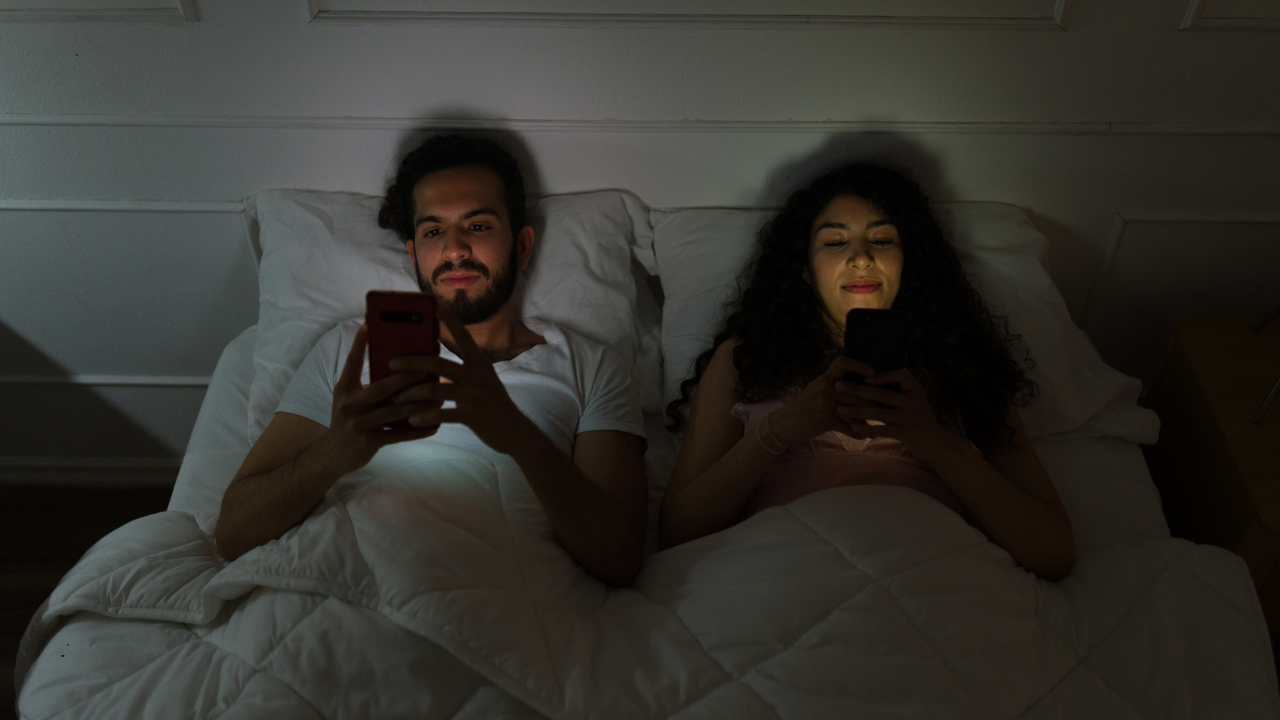
A growing body of global research is beginning to point in one direction: our eyes are under strain like never before. As per the report published on PubMed, myopia is projected to rise significantly worldwide, increasing from about 27% of the global population in 2010 to nearly 52% by 2050, highlighting its emergence as a major public health concern. Although genetics has long contributed, there appears to be a significant environmental factor associated with how fast this shift has occurred.Screens have become an integrated part of everyday lives, from the time of waking up to work on digital screens or scroll through phones late into the night. Digital devices are no longer optional but a constant priority. Work, education, and entertainment are all now done on screens with little or no interruption. The growing generation of gadgets has its own advantages, but its impact has significantly contributed to the alarming rise in cases of myopia.The Science Behind the Surge: Why Our Eyes Are StrugglingThere are three major significant ways prolonged screen time could affect vision:Near Vision strain - Prolonged near-vision focus places a constant strain on the eye muscles, causing them to remain contracted. This will eventually lead to elongation of the eyeball and myopia.Reduced Blinking due to dry eyes - Screen use decreases the rate of blinking, which causes the eyes to dry out, leading to irritation and instability.Lack of Sunlight - Less time outdoors reduces the opportunity to receive sunlight. Sunlight exposure is especially important in children for proper vision development.From Temporary Strain to Long-Term DamageMild discomfort, such as dryness, headaches, and blurred vision, can lead to more chronic issues. Digital eye strain is common among adults and children alike. However, the long-term outcome is the main concern.Progressive myopia increases the chances of developing serious eye diseases like glaucoma, retinal detachment, and macular degeneration, and having to wear stronger prescription glasses. These aren't just short-term inconveniences; they can create lifelong risks that severely affect the quality of life.The Post-Pandemic Effect: A Generation at RiskThe days when children spent their time flying kites, playing marbles, feeling the wind on their faces, and returning home with dust-covered hands have gradually faded into memory. The COVID-19 pandemic accelerated an already existing trend. The screen time increased as many schools transitioned to online education and remote workers increased due to the pandemic. Above all, children experienced a sudden reduction in outdoor activity with increased exposure to digital devices. The phase indicated a noticeable drop in the vision of the people. This period has often been referred to as a phase of “quarantine myopia,” where many young individuals reported a noticeable decline in vision. As individuals return to normalcy, the habits that were established are continuing, and concern is being raised about a generation having poorer visual health.Prevention Over Cure: Rethinking Visual HygieneConsistent habits are needed to address this issue:20-20-20 rule: After every 20 minutes of looking at a digital device with stress, try to look at something far away (at least 20 feet away) for approximately 20 seconds to relax your eye muscles and reduce the stress placed on your eyes.Limit recreational screen time: Reducing the amount of time spent using screens will help reduce the likelihood of developing eye strain and progression of myopia, especially in children.Proper viewing distance and posture: Keeping screens at approximately one arm's length will help to minimise the amount of stress placed on your eyes and body.Encourage Outdoor Activity: Children between the ages of 6 and 16 years should be encouraged to engage in outdoor activities more frequently and not replace books with tablets or iPads.Mandatory Vision Screening: Vision screening and eye check-ups prior to school admissions should be made mandatory by the government, as early detection of myopia can help prevent further complications.A Call for Collective ResponsibilityThe increase in use of screens is not an isolated event; it is part of the larger trend affecting how we live and work. To address this issue, we need to develop awareness among individuals, families, schools, and workplaces about proper screen use. A balanced daily routine, guided by parents, plays a crucial role in maintaining healthy vision in children.Collective responsibility among teachers, parents, and government authorities is essential to prevent visual complications, as children represent our future generations. Greater public awareness around digital eye strain and eye health is also necessary, as it often serves as a precursor to multiple health complications.Eye health must be seen as an essential part of overall well-being. The current trend may still be a developing issue, but it requires urgent attention. Acting early, with informed choices and preventive care, can ensure that technological progress does not come at the cost of long-term vision health.