
- Health Conditions A-Z
- Health & Wellness
- Nutrition
- Fitness
- Health News
- Ayurveda
- Videos
- Medicine A-Z
- Parenting
This One Gene May Be Triggering Mental Illness In Children; Scientists Say It Changes Everything
Credits: Canva
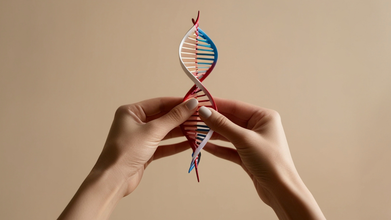
For decades, mental health issues were explained as a result of many small genetic risks piling up over time. However, a study led by German scientists has now identified one gene whose specific variants could appear to directly impact psychiatric symptoms, even in the absence of neurological problems. In rare cases, the study suggests, a single faulty gene may be enough to directly cause mental disorders, much earlier tan doctors typically expect.
Scientists studying mutations in the GRIN2A gene found evidence that certain rare variants do not increase the likelihood of mental illness, but they appear to trigger it. This happens due to a clear biological mechanism, often in the beginning of childhood itself. The findings challenge long-held assumptions about how conditions like schizophrenia, anxiety, and mood disorders develop.
The findings are published in journal Molecular Psychiatry. The study describes GRIN2A null variants as the first known example of a single gene directly causing early-onset and even isolated psychiatric disorders, including early-onset schizophrenia.
How An Unexpected Pattern Emerged
The research team, led by Johannes Lemke from the University of Leipzig Medical Center, did not set out to study psychiatric genetics. They were working with a global registry of people diagnosed with GRIN2A-related disorders, most of whom were tested as children for epilepsy or developmental delays.
When the researchers began asking physicians about mental health diagnoses, a striking pattern emerged. Out of 121 individuals with disease-causing GRIN2A mutations, 25 had been diagnosed with psychiatric disorders. Of those 25, 23 carried null variants that completely shut down the gene’s function. In contrast, only 2 of 37 people with missense variants, which alter but do not eliminate the protein, developed mental illness.
To understand how high and unusual this risk was, the team of researchers compared their findings with 21 years of national health records in Finland. This included records of over 5 million people, and the results were stark.
The analysis of this large population showed that by age 12, carriers of GRIN2A null variants showed an 87-fold higher rate of psychotic disorder compared to the general population. Although this estimate was based on just four cases, risks for mood disorders were nearly 12 times higher, and anxiety disorder six times higher.
What stood out most was timing. Schizophrenia typically appears in late adolescence or early adulthood. Anxiety and mood disorders usually emerge in the teenage years or later. In people with GRIN2A null variants, symptoms began as early as ages 8, 10, or 12.
How Does This Gene Operate In Your Brain?
GRIN2A carriers instruction for making a protein known as GluN2A. This is a critical component of NDMA receptors, which help brain cells respond to glutamate, brain's main excitatory chemical messenger.
When GluN2A is missing, these receptors cannot assemble or function normally. This is what leads to disruption in brain signaling that appears to directly drive psychiatric symptoms. Unlike polygenic risk scores that reflect tiny contributions from thousands of genes, GRIN2A null variants remove a key part of the brain's signaling machinery in one decisive step.
Interestingly, people with missense mutations had similar rates of epilepsy and intellectual disability as those with null variants. But when it came to psychiatric illness, only null variants carried substantial risk.
Mental Illness That Comes Without Warning Signs
Six people in the study developed psychiatric disorders without any intellectual disability. Two of them never experienced epilepsy. Without any known family history, these individuals would have never undergone a genetic testing otherwise. Current psychiatric guidelines also do not recommend genetic screening for isolated mental illness. This is because most participants who were initially tested for seizures or developmental delays, cases with only psychiatric symptoms are likely undercounted. The true prevalence may be higher.
A Targeted Treatment Shows Early Promise
Four people with GRIN2A null-related psychiatric disorders were treated with the amino acid L-serine for over a year, at doses up to 500 mg per kilogram daily. All four showed improvement. In one case, hallucinations stopped entirely. Others saw paranoid symptoms resolve, behavioral control improve, or seizures decrease.
L-serine converts to D-serine in the brain, which helps activate NMDA receptors. Boosting this pathway may compensate for the missing GluN2A subunits, offering a targeted approach rather than trial-and-error treatment.
Rethinking Early Diagnosis
More than 80 percent of people with GRIN2A null-related mental illness also had epilepsy at some point, though seizures did not predict who developed psychiatric symptoms. In most cases, mental illness appeared after epilepsy had resolved.
The findings suggest genetic testing could eventually become part of evaluating early-onset psychiatric disorders. For a small but significant group of patients, the cause of mental illness may be clearly identifiable, biologically grounded, and potentially treatable.
For most people living with mental disorders, the origins will remain complex. But this research shows that, sometimes, the answer may lie in a single gene.
Influenza A: Can Flu Kill You? Here's All That You Need To Know
Credits: iStock
Earlier in November, the Public Health Ontario's (PHO) data revealed that Ontario and Canada as a whole could be in a "very tough" flu season this year, thanks to the Influenza A or the flu A. The PHO data revealed a 1.8% rise in influenza cases in the last week of October. Now, amid the influenza A outbreak, 3 children have died from the same in Ottawa and Eastern Ontario region.
Influenza A: Can Flu Kill People?
As per the infectious physician at the Johns Hopkins University Center for Health Security, as reported in Scientific American, "Dying from the flu is not like dying from a bullet or a black widow spider bite. The presence of the virus itself isn't going to be what kills you. An infectious disease always has a complex interaction with its host.”
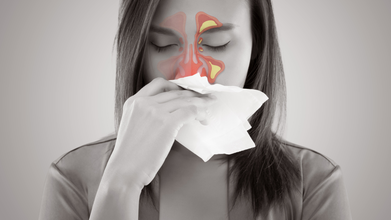
Once the virus enters someone's body usually via their eyes, nose, or mouth, the influenza virus begins hijacking human cells in the nose and throat to make copies of itself. This triggers a strong response from the immune system, and sends battalions of white blood cells, antibodies and inflammatory molecules to eliminate the threat.
T cells work by targeting and destroying virus-infected tissue, especially in the respiratory tract and lungs where the infection usually settles. In most healthy adults, this response clears the virus and leads to recovery within days or weeks. In some cases, however, the immune reaction becomes excessive, damaging large areas of lung tissue and impairing oxygen delivery to the blood, which can cause hypoxia and, in severe cases, death.
What Is Influenza A?
As per the National Institutes of Health, US, influenza viruses that contains single-stranded RNA that are classified into three types: A, B, and C. Type A and B cause annual epidemics and even pandemics, while type C is a less common disease.
As per the Centers for Disease Control and Prevention (CDC), Influenza A viruses are descendants of the 2009 H1N1 pandemic virus that emerged in the spring of 2009 and caused a flu pandemic. These viruses, scientifically called the "A(H1N1)pdm09 virus," and more generally called "2009 H1N1," have continued to circulate seasonally since 2009 and have undergone genetic and antigenic changes.
Influenza A(H3N2) viruses also change genetically and antigenically. Influenza A(H3N2) viruses have formed many separate, genetically different clades in recent years that continue to co-circulate.
It is a fast-spreading respiratory virus responsible for seasonal flu outbreaks and, at times, global pandemics. It changes quickly through genetic shifts, which makes new strains harder to predict and control. The virus is grouped based on surface proteins called hemagglutinin and neuraminidase, with H1N1 and H3N2 among the most common strains in circulation. It spreads mainly through coughs, sneezes, or close contact and often comes on suddenly, causing fever, cough, body pain, and extreme tiredness. In some cases, it can lead to serious complications, especially in vulnerable groups.
Influenza A: Common Signs And Symptoms
- Fever or chills
- Dry cough
- Sore throat
- Headache
- Fatigue
- Some people could also get symptoms like diarrhea or vomiting, especially kids.
The symptoms usually appear 1 to 4 days after exposure and could linger for a week.
Feeling Tired All The Time? Low Hemoglobin Could Be The Reason
Credits: Canva
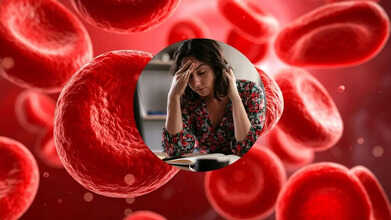
Hemoglobin is a key protein found in red blood cells. Its main job is to carry oxygen from your lungs to the rest of your body. When hemoglobin levels drop, the body may not receive enough oxygen to function well. Low hemoglobin can happen for several reasons, including health conditions, blood loss, or gaps in nutrition.
What Is Low Hemoglobin?
Hemoglobin is the oxygen-carrying protein in red blood cells. Adequate hemoglobin levels are essential for keeping organs and tissues properly supplied with oxygen. Without enough of it, the body begins to struggle to meet its basic energy needs.
Low hemoglobin is usually identified through a blood test. It is most often measured as part of a complete blood count (CBC), which checks different components of the blood, including red and white blood cells and platelets, as per Healthline.
While exact reference ranges can vary slightly between laboratories, healthy adult hemoglobin levels usually fall within the ranges listed below. These values are different for babies, children, and teenagers.
Normal Hemoglobin Count in Grams per Deciliter (g/dL) | Normal Hemoglobin Count in Grams per Liter (g/L)
Adult Males: 13.8–17.2 | 138–172
Adult Females: 12.1–15.1 | 121–151
Any reading below these ranges in adults is considered low hemoglobin and suggests that oxygen delivery in the body may be reduced, as per Mayo Clinic.
Is Low Hemoglobin Ever Dangerous?
Low hemoglobin is not always an emergency. In many cases, it develops gradually and can be managed with treatment. That said, very low levels can be dangerous. A hemoglobin level below 5.0 g/dL has been linked to serious complications, including heart failure and even death. Levels under 6.5 g/dL may be considered life-threatening and require urgent medical care.
What Causes Low Hemoglobin?
One of the most common reasons for low hemoglobin is anemia. Anemia occurs when the body does not have enough healthy red blood cells. The most frequent type is iron-deficiency anemia, which develops when the body lacks enough iron to produce hemoglobin.⁵
Other forms of anemia include pernicious anemia, which occurs when the body cannot properly absorb vitamin B12, and hemolytic anemia, where red blood cells are destroyed faster than they are produced.¹
Low hemoglobin can also be caused by:
- Blood loss or internal bleeding
- Certain cancers, including leukemia, lymphoma, multiple myeloma, and cancers that spread to the bone marrow
- Chronic kidney disease
- Deficiencies of folate or vitamin B12
- Hypothyroidism
- Liver disease
- Poor nutrition or malnutrition
- Myelodysplastic syndrome (MDS)
- Sarcoidosis
- Sickle cell disease and other inherited blood disorders
- Systemic lupus erythematosus
- Thalassemia, a genetic condition that reduces hemoglobin production
- Excess fluid in the body
- Cancer treatments such as chemotherapy and radiation can also lower hemoglobin levels, particularly in adults over the age of 65.
What Does Having Low Hemoglobin Feel Like?
Some people with mildly low hemoglobin may not notice any symptoms at first. Others may begin to feel unwell as levels drop further or remain low over time.
Common signs and symptoms include:
- Feeling dizzy or lightheaded, sometimes fainting
- Muscle weakness
- Ongoing fatigue or low energy
- Pale or washed-out skin
- Frequent headaches
How Is Low Hemoglobin Treated?
Treatment depends entirely on what is causing the low hemoglobin. A healthcare provider will first identify the underlying reason before recommending treatment.
Possible treatment options include:
Blood transfusion: If hemoglobin is low due to heavy blood loss, a transfusion may be needed to restore levels quickly.
Vitamin supplements: When nutritional deficiencies are the cause, iron, folate, or vitamin B12 supplements are often prescribed. Hemoglobin levels usually begin to improve within six to eight weeks.
Intravenous (IV) therapy: In cases where iron or B12 levels need to be raised rapidly, IV infusions may be recommended.
Bone marrow transplant: This may be required when low hemoglobin is linked to certain cancers or bone marrow disorders.
If a long-term illness is responsible, managing that condition becomes the key part of treatment, alongside monitoring hemoglobin levels regularly.
Three Vaccines Every Pregnant Woman Should Consider Amid Super Flu Case Surge

Credits: Canva
One particularly vulnerable group across the UK is being strongly advised to receive up to three vaccines this season. This winter has seen a sharp rise in seasonal viruses, with the NHS warning that hospitals and ambulance services are under significant pressure due to higher demand.
This surge is largely driven by the H3N2 flu strain, known as subclade K, which is currently circulating at ‘medium’ levels but with increased activity. The UK Health Security Agency reports that flu-related hospital admissions have climbed to 7.79% per 100,000, up from 4.78% per 100,000 the previous week.
While common winter viruses such as flu, RSV, and whooping cough can cause uncomfortable symptoms for most people, certain groups face a higher risk of serious complications. These include children, older adults, people with weakened immune systems, and pregnant women.
Why You Should Get Vaccinated While Pregnant
Flu shots are highly effective at protecting both mothers and their babies, as the body responds differently to infections during pregnancy. NHS guidance notes that pregnant women are more susceptible to complications from viral infections, particularly in the later stages of pregnancy.
Infants are also at a higher risk of severe illness if exposed to viruses, which can sometimes result in mothers and babies requiring intensive care. Additionally, infections like flu can increase the risk of premature birth or low birth weight, which may raise the chance of stillbirth or neonatal death.
Posting on X, the UK Health Security Agency said that pregnant women are entitled to vaccinations against flu, RSV, and whooping cough, and advised them to consult their midwife, GP, or local pharmacist for guidance on getting vaccinated.
How Vaccines Protect Pregnant Mothers And Their Babies
Vaccination during pregnancy passes protective antibodies to the baby, giving them similar levels of defence against serious illness in the first weeks of life. This applies to vaccines for flu, whooping cough, and RSV, helping shield both mother and newborn.
Vaccines Pregnant Women Aren't Advised To Get
Pregnant women are generally advised to avoid vaccines that contain a live version of a virus, as these could theoretically infect the unborn child. However, evidence shows live vaccines do not typically cause birth defects.
The main exception is when the risk of infection is higher than the potential risk from the vaccine itself. Examples of live vaccines include:
- Yellow fever
- Measles, mumps, and rubella (MMR)
- Tuberculosis (BCG vaccine)
Is It Safe To Get A Flu Shot During Pregnancy?
Yes. Getting a flu shot while pregnant is considered safe. If you have concerns, it is best to discuss them with your doctor, midwife, or another member of your prenatal care team during a routine visit, as per Mayo Clinic.The American College of Obstetricians and Gynecologists advises that anyone who is pregnant during flu season should receive the flu shot, regardless of which trimester they are in.
A flu vaccine during pregnancy can help in several ways:
Lower the risk of flu-related illness during pregnancy
Pregnancy changes how the immune system, heart, and lungs function, which can make flu infections more severe. A flu shot reduces the chance of catching the flu and lowers the risk of needing hospital care if you do get sick.
Reduce risks to the developing baby
Getting the flu, especially early in pregnancy, may increase the risk of certain health problems in the unborn baby. Flu infection has also been linked to a higher chance of birth-related complications.
Protect the baby after delivery
Newborns are more likely to become seriously ill from the flu, but they cannot be vaccinated until they are six months old. Antibodies produced after a flu shot during pregnancy cross the placenta and are also found in breast milk, helping protect the baby in the first months of life.
When getting vaccinated, pregnant women should choose the flu shot, not the nasal spray. The injection uses an inactive virus and is safe at any stage of pregnancy. The nasal spray contains a live virus and is not recommended for pregnant women.
- Follow Us :


© 2024 Bennett, Coleman & Company Limited