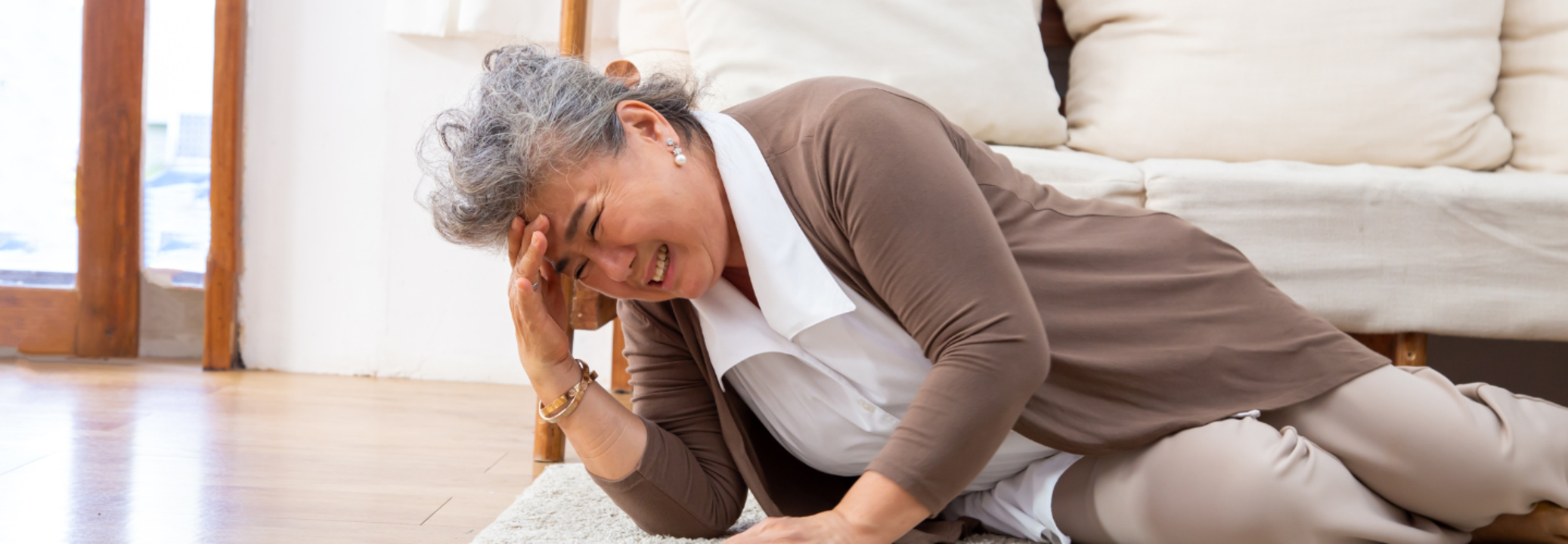
A stroke, often referred to as a "brain attack," occurs when blood flow to the brain is interrupted. This disruption can lead to the death of brain cells, resulting in a range of neurological impairments. Understanding the causes, symptoms, and treatment options for stroke is crucial for prevention and effective recovery. Here are the risk factors, types, symptoms, and the importance of timely rehabilitation. Risk Factors for StrokeSeveral factors can increase one's risk of having a stroke. These include: Age: The risk of stroke increases significantly after the age of 55.Medical Conditions: High blood pressure, uncontrolled diabetes, coronary artery disease, and high cholesterol can elevate the risk of stroke.Lifestyle Factors: Smoking, obesity, physical inactivity, and excessive alcohol consumption can contribute to stroke risk.Family History: A family history of stroke, heart attack, or transient ischemic attack can also increase the risk.Atrial Fibrillation: This irregular heart rhythm can increase the risk of stroke by forming blood clots that can travel to the brain. Types of StrokeThere are two main types of stroke: Ischemic Stroke: This occurs when the blood supply to part of the brain is blocked or reduced. This can be caused by a blood clot (thrombosis) or an embolus (a blood clot that travels from another part of the body). Hemorrhagic Stroke: This occurs when a blood vessel in the brain leaks or bursts, causing bleeding in the brain. This can be caused by a ruptured aneurysm or a blood vessel malformation. Symptoms of StrokeRecognizing the symptoms of a stroke is crucial for seeking immediate medical attention. These symptoms may include: Trouble speaking or understanding speechNumbness or weakness in the face, arm, or leg, often on one side of the bodyProblems seeing in one or both eyesSudden onset of imbalanceSevere headacheConfusion or altered mental statusStroke RehabilitationStroke rehabilitation is a comprehensive program aimed at helping individuals recover and regain independence after a stroke. It involves a multidisciplinary approach, including physical, occupational, and speech therapies. The goal of rehabilitation is to restore function, improve quality of life, and enhance mobility through tailored exercises and activities. Physical therapy focuses on strengthening muscles, improving coordination, and enhancing mobility through exercises such as walking, swimming, and range of motion exercises. Occupational therapy helps patients regain the ability to perform daily activities, such as dressing, eating, and bathing. Speech therapy focuses on improving communication skills, including speaking, understanding language, and swallowing.