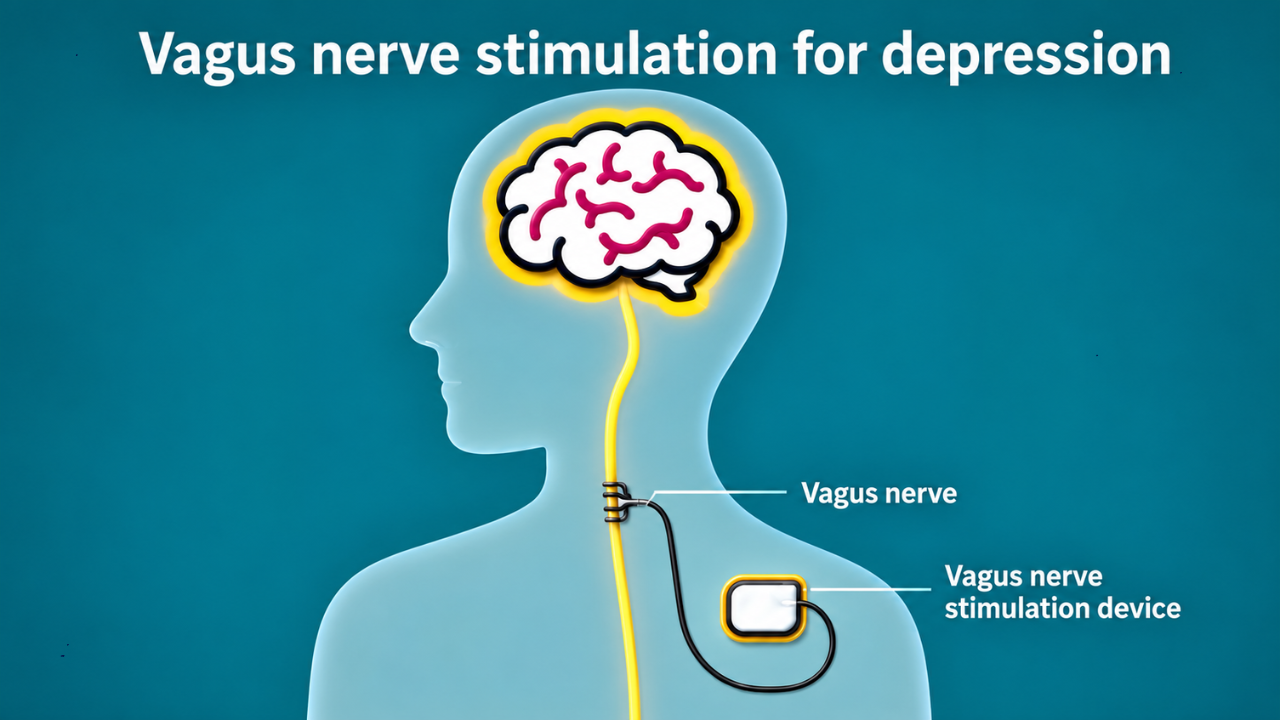
A small implanted device that stimulates the vagus nerve may offer substantial and lasting relief for people with severe treatment-resistant depression, according to a large multicenter clinical trial.The findings, published in the International Journal of Neuropsychopharmacology, showed that improvements in depressive symptoms, quality of life, and daily functioning were sustained for at least two years in most patients who responded to treatment.Notably, more than 20% of treated participants (39 patients) were in remission after two years, meaning their depressive symptoms had improved enough for them to function normally in daily life."We were shocked that one in five patients was effectively without depressive symptoms at the end of two years," said lead author Charles Conway, professor of psychiatry and director of Washington University's Treatment Resistant Mood Disorders Center.Depression Remains A Major Health BurdenAlso read: Bryan Johnson Blames Sugary Cereals, Soda and Stress for His Autoimmune Disease; Shares Treatment PlanEarlier this week, Republican Tom Kean Jr. revealed that he had been diagnosed with depression, explaining his absence from public life for more than 100 days.He is far from alone. About 20% of U.S. adults experience major depression during their lifetime. While most people improve after antidepressants or psychotherapy, up to one-third develop treatment-resistant depression, in which standard treatments fail to provide adequate relief.Study Focused on the Most Severe CasesThe RECOVER trial, led by researchers at Washington University School of Medicine in St. Louis, enrolled nearly 500 patients across 84 sites in the US. On average, participants had:Lived with depression for 29 yearsTried 13 unsuccessful treatmentsUndergone therapies including electroconvulsive therapy (ECT) and transcranial magnetic stimulation (TMS)Three-quarters were too ill to work."We believe the sample in this trial represents the sickest treatment-resistant depressed patient sample ever studied in a clinical trial," Conway said."There is a dire need to find effective treatments for these patients, who often have no other options. With this kind of chronic, disabling illness, even a partial response to treatment is life-altering, and with vagus nerve stimulation, we're seeing that benefit is lasting," he added.Read More: Wegovy Weight Loss Pill Available in UK Pharmacies From Today: All You Should KnowBenefits Lasted for Two YearsThe VNS Therapy System, manufactured by LivaNova USA, Inc., involves implanting a small device beneath the skin of the chest. The device delivers carefully calibrated electrical pulses to the left vagus nerve, which serves as a major communication pathway between the brain and internal organs.Although every participant received an implant, only half had their devices activated during the first year, allowing researchers to compare outcomes.The latest analysis focused on 214 patients whose devices were activated from the beginning of the study.Among them:About 69% (147 patients) achieved a meaningful improvement in at least one outcome after 12 months.More than 80% of those responders maintained or improved those benefits after 24 months.Among patients with a substantial response after one year, 92% continued to experience benefits two years later.Conway noted that even a 30% improvement can dramatically change the lives of patients with severe depression, who often struggle to carry out basic daily activities and face a higher risk of hospitalization or early death.READ: Donald Trump Posts AI Video of Himself Treating Critics for 'Derangement Syndrome'Some Patients Improved LaterThe study also found that recovery may take longer for some people.Nearly one-third of participants who had not responded after the first year reported meaningful improvements by the end of the second year, suggesting prolonged stimulation may continue to produce benefits.Researchers also observed consistently low relapse rates among patients who improved, particularly among those with the strongest responses.