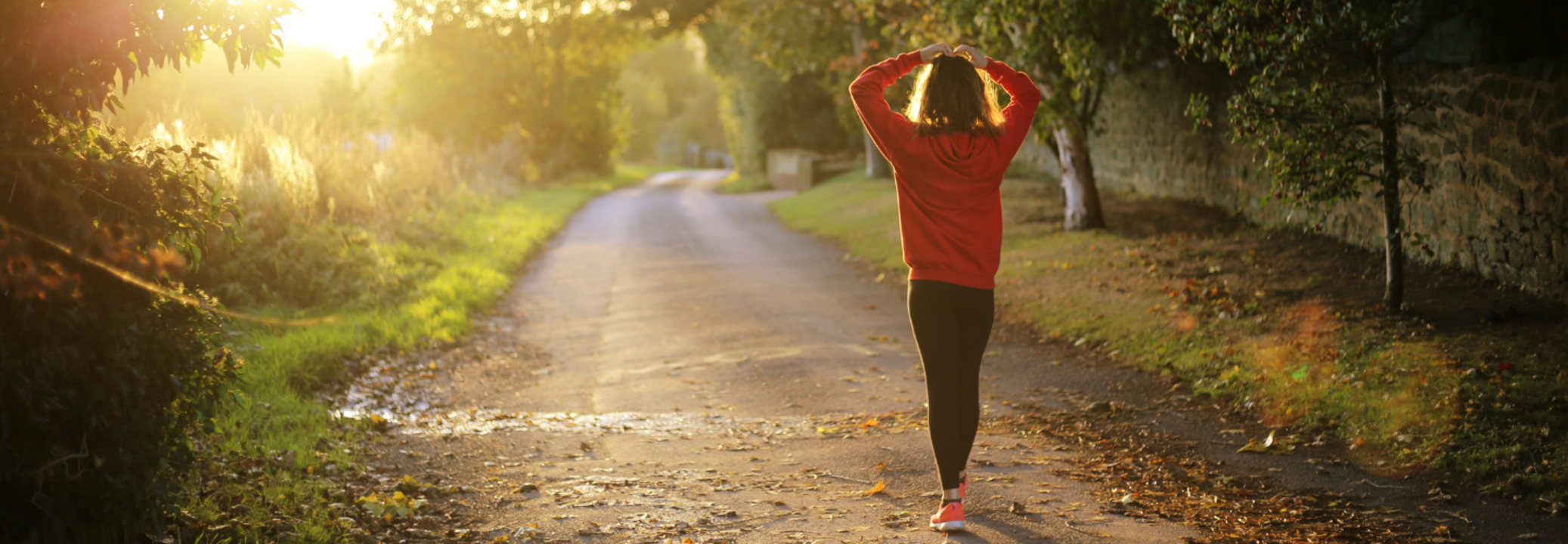
Silent walking is a simple yet powerful practice that involves walking without talking or listening to music. It's a mindful activity that encourages you to connect with your surroundings and your inner thoughts. Many people avoid walking without a partner because it makes them feel lonely and isolated. Many times people do not feel like being left alone to their thoughts as they might get negative and become demotivated from walking altogether, but that is not altogether true! Silent walking has given many people the time and space to decompress from their daily hectic lives. They find not having people around to entertain constantly gives them a break to unwind and spend some time getting to know themselves. Benefits of Silent WalkingThis quiet solitude can have a profound positive impact on your mental health. Here are some ways silent walking can benefit your well-being Reduces Stress and AnxietySilent walking provides a much-needed respite from the constant noise and distractions of everyday life. By focusing on the present moment and tuning into your senses, you can effectively reduce stress and anxiety. The quiet environment allows your mind to relax and unwind, promoting a sense of calm and peace. This can be particularly beneficial for individuals who struggle with racing thoughts or constant worry. Improves MoodEngaging in physical activity, such as walking, releases endorphins, the body's natural mood-boosting chemicals. These endorphins can help alleviate feelings of sadness, depression, and irritability. Additionally, the connection with nature and the sense of accomplishment from completing a walk can foster a more positive outlook. Silent walking provides a peaceful and meditative experience, allowing you to appreciate the beauty of your surroundings and cultivate a sense of gratitude. Enhances CreativitySilent walking can be a powerful tool for stimulating creativity. Without the distractions of external stimuli, your mind is free to wander and explore new ideas. The quiet environment can provide a space for your subconscious to process information and make connections that you may not have noticed before. This can lead to increased creativity, problem-solving abilities, and a greater sense of inspiration. Boosts Self-AwarenessSilent walking offers a unique opportunity for self-reflection. Without the constant chatter of external stimuli, you have the chance to tune into your inner thoughts and feelings. This self-awareness can lead to a deeper understanding of yourself, your values, and your goals. By paying attention to your thoughts and emotions, you can identify patterns and areas for growth. Improves Focus and ConcentrationIn today's fast-paced world, it can be challenging to stay focused and concentrate on tasks. Silent walking can help improve your attention span and concentration. By training your mind to stay present and focused on the task at hand, you can enhance your productivity and reduce distractions. This can be particularly beneficial for individuals who struggle with procrastination or feeling overwhelmed. Strengthens ResilienceSilent walking can help you develop healthy coping mechanisms for dealing with stress and challenges. By cultivating a sense of calm and mindfulness, you can learn to respond to adversity in a more constructive and resilient way. This can help you build emotional resilience and bounce back from setbacks more effectively. Improves Sleep QualityEngaging in physical activity can help improve sleep quality. Silent walking, in particular, can promote relaxation and reduce stress, making it easier to fall asleep and stay asleep throughout the night. By improving your sleep quality, you can enhance your overall well-being and energy levels. Deepens Connection with NatureSilent walking provides a wonderful opportunity to connect with nature and appreciate the beauty of your surroundings. By tuning into your senses and immersing yourself in the natural world, you can cultivate a sense of gratitude and appreciation. This connection with nature can have a profound impact on your mental health, reducing stress, anxiety, and feelings of isolation.