
- Health Conditions A-Z
- Health & Wellness
- Nutrition
- Fitness
- Health News
- Ayurveda
- Videos
- Medicine A-Z
- Parenting
What Is The Experimental HIV Drug Charlie Sheen Says Suppressed The Virus In His Body?

Credits: AP
Though Charlie Sheen’s HIV has been described as “completely manageable,” the actor recently shared that he once came across a treatment he believed worked far better than existing options, but it never reached the public. Speaking on the *Howie Mandel Does Stuff* podcast, the 60-year-old actor reflected on an experimental drug he used years ago and explained why it ultimately disappeared from view. “There was one that was really good that I was hoping would come to market one day, and it never did,” said Sheen, who publicly disclosed his HIV diagnosis in 2015. This has raised a key question: which experimental drug is Charlie Sheen referring to?
What Is HIV?
Human immunodeficiency virus, or HIV, is a virus that attacks the immune system. If left untreated, it can progress to acquired immunodeficiency syndrome, or AIDS, which represents the most advanced stage of infection. HIV primarily targets white blood cells, weakening the body’s natural defences. The virus spreads through unprotected sexual contact, sharing needles for drug use, exposure to infected blood, and from parent to child during pregnancy, delivery, or breastfeeding.
What Does HIV Do To A Person?
HIV infects CD4 cells, also known as helper T cells, which play a central role in immune response. As the virus destroys these cells, the white blood cell count drops, leaving the body vulnerable to infections it would normally fight off with ease.
Early on, HIV can cause flu-like symptoms. After that, it may remain hidden in the body for years without obvious signs, while continuing to damage the immune system. When CD4 levels fall very low, or when certain serious infections develop, HIV is considered to have progressed to AIDS.
At this stage, symptoms may include rapid weight loss, severe fatigue, sores in the mouth or genitals, recurring fevers, night sweats, and changes in skin colour.
Charlie Sheen Claims An Experimental Drug That Works Better For HIV
During the podcast conversation, Sheen named the drug he believes made a major difference. “That was a thing called PRO 140,” he said. He described it as a monoclonal antibody that produced faster and more consistent results, with fewer side effects than standard treatments. When asked why it never became widely available, Sheen suggested it may have posed a threat to existing therapies. “It works, better than what they have,” he said, adding that the company behind it ran into serious trouble. Mandel responded that someone should investigate further, a point Sheen agreed with.
What Is The Experimental Drug Charlie Sheen Is Talking About?
PRO 140 is a humanised monoclonal antibody designed to block CCR5, a receptor HIV commonly uses to enter human cells and replicate. Around 70 percent of people living with HIV in the United States, and as many as 90 percent of newly diagnosed patients, carry CCR5-tropic strains of the virus.
Earlier studies found that a single intravenous dose of PRO 140 sharply reduced HIV levels, while weekly injections under the skin lowered viral load much more effectively than a placebo. Research also suggested that the drug did not interfere with normal immune functions linked to CCR5.
According to Aidsmap, PRO 140 was generally considered safe and well tolerated. Although more than 90 percent of participants in extended studies reported side effects, there were no serious adverse reactions linked directly to the drug, and no one had to stop treatment because of it. The reported side effects were limited to injection-site reactions, which were usually mild to moderate.
Sheen has repeatedly spoken about his experience with the drug, maintaining that it delivered steadier results and caused fewer side effects than conventional HIV treatments.
Is Self-Cooling Fabric A Dream Come True? Scientists' New Invention Could Beat The Heat Soon

Credits: Representational image from Canva; University of Alabama
Summers are approaching and what would be better than having your own clothes that keep you cool? Scientists at the University of Alabama at Birmingham in the United States are working on innovations and have also applied for a patent. The research team led by Dr Vinoy Thomas, who is a native of Valakam in Kottarakkara. The findings have been published in the journal of the American Chemical Society.
What Is The New Finding Of Self-Cooling Fabric?
The researchers did not create a brand-new cooling fabric. Instead, they introduced a technique that transforms regular textiles into heat-regulating materials. This is done using two processes: electrospinning and plasma surface modification.
The first technique allows boron nitride nanoparticles to be evenly spread across the surface of the fabric. The second method uses low-temperature plasma (LTP) treatment to embed silicon oxide nanoparticles into the stitching threads.
Both boron nitride and silicon oxide are known for their heat-resistant qualities. By combining these two methods, researchers have created a coating that significantly lowers heat. The nanoparticles act as an added protective layer on the fabric.
Testing showed that the coating remains effective even after five to eight washes and does not affect the fabric’s original properties. Although its performance gradually decreases with repeated washing, researchers suggest applying a double-layer surface coating to improve durability.
Commercial production is expected to start once the patent is approved. In experiments, the coated garments reduced an external temperature of 35°C by 15°C, lowering it to 20°C. According to the researchers, this technique can be applied to any type of fabric.
Unlike earlier studies that focused on inventing entirely new heat-resistant materials, this innovation modifies existing fabrics. The study states that this approach is more efficient and cost-effective than current technologies.
The research team also includes Dr Ranjith Rajanpillai, Dr Kannadasan Appavu, Dr Claudiu T Lungu, and Dr Sanjay K Behura from the Department of Mechanical and Materials Engineering.
Innovations For Sizzling Summers
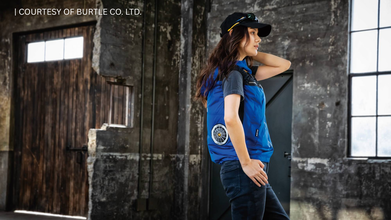
In Japan, something similar happened when former Sony engineer Hiroshi Ichigaya came up with kuchofuku or "fan jackets". This garment has a built-in feature, powered by battery, which is a fan at the lower back. This helps the circulation of air and to evaporate sweat and cool workers. These jackets are commonly used by construction workers, delivery partners, and people working in factory to combat extreme heat.
Meningococcal B Vaccine Ineffective In Preventing Gonorrhea In Gay And Bisexual Men: Study

Credit: Canva
The meningococcal B vaccine (4CMenB) is completely ineffective in preventing gonorrhea -- a sexually transmitted infection (STI) --, especially among high-risk groups like gay and bisexual men, according to the results of the world’s largest randomized control trial (RCT).
Gonorrhea is a common bacterial STI caused by the bacterium Neisseria gonorrheae, and is transmitted through unprotected sex.
Even as antimicrobial resistance in gonorrhea has increased rapidly in recent years, Australian researchers explored the efficacy of 4CMenB against the disease.
The large randomized, placebo-controlled trial involving 587 gay and bisexual men showed that the risk of gonorrhea incidence remains essentially the same even after vaccination.
“Across both arms, the gonorrhea incidence was virtually the same -- at around 48 per cent per year, indicating very clearly that the vaccine had no effect on preventing gonorrhea,” said Professor Kate Seib, from Griffith University, in Australia, who led the trial.
In light of the study, the researchers stressed the need to explore other options to combat gonorrhea, such as condoms and regular testing.
The 4CMenB Vaccine
While meningococcal disease (caused by Neisseria meningitidis) and gonorrhea (caused by Neisseria gonorrhoeae) are distinct infections, both are caused by Neisseria bacteria, which share 80-90 percent genetic material.
The bacterium N. meningitidis primarily causes meningitis and septicemia, and observational studies have shown that meningococcal B (MenB) vaccines such as the 4CMenB offer 33-40 percent cross-protection against gonorrhea.
However, the latest study, presented at the Conference on Retroviruses and Opportunistic Infections in Denver, US, found no protection against gonorrhea.
The study “provides strong evidence that the 4CMenB meningococcal vaccine is not effective at preventing gonorrhea in gay and bisexual men who are at high risk of contracting it,” Seib said.
According to the US National Institute of Health, the 4CMenB vaccine is a highly effective, protein-based vaccine designed to protect against invasive meningococcal disease (IMD) serogroup B.
Approved in over 50 countries, it offers 71-95 percent effectiveness in infants and 100 percent in adolescents.
What Is Gonorrhea
Gonorrhea is a common STI, and sexually active people of any age can get the disease and pass it on to partners, and even to their baby during childbirth.
Gonorrhea is the second most common STI caused by bacteria, just behind chlamydia.
As per data from the World Health Organization (WHO), in 2020, there were an estimated 82.4 million new infections among adults globally.
The NIH noted that nearly 1 million new gonorrhea infections occur in the United States every year. About half of these infections occur in people ages 15 to 24.
The symptoms of Gonorrhea in men include:
- White, yellow, or green discharge from the penis
- Pain or burning (possibly severe) when peeing
- Testicular pain and swollen testicles.
Notably, the condition also occurs in women, but up to 50 percent of them won’t experience symptoms. This increases the risk of spread to other partners.
- Common symptoms in women include:
- Unusual vaginal discharge (white or yellow).
- Pain in your lower abdomen or pelvis.
- Pain during sexual intercourse
- Pain when you pee
- Bleeding between periods
Cutting Back on Sugary Drinks Can Improve Teen Anxiety
Credit: Canva
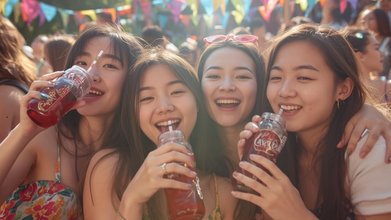
A new study suggests that drinking sugary drinks can increase anxiety, among other mental issues, in adolescents by 34 percent.
Sugary drinks are known to be more harmful due to their low fiber, protein, or fat, which typically slow down digestion in solid foods. This means liquid sugar gets into your bloodstream very quickly, causing a sudden jump in blood sugar and insulin levels.
Hyper-fast intake of such drinks can also make it hard for your liver to process the sugar, especially the fructose part. n large amounts, fructose turns into fat in your liver. This buildup of fat is linked to metabolic problems that lead to Type 2 diabetes.
Apart from this, a Bournemouth University, UK literature review analyzed people aged between ten and 19 who drank fizzy drinks, colas, sweetened fruit juices, sweetened milk drinks, energy drinks, and sweetened tea or coffee and found multiple links between the beverages and anxiety diagnosis.
The gut-brain axis — the connection between the brain and the gut — may help explain the link between sugary drinks and anxiety. But gut health is influenced by many factors, including diet, stress, and sleep, which are also linked to anxiety.
Overall, the study suggests that cutting back on sugary drinks could help support teenagers’ mental health. While many studies have looked at how reducing sugary drinks improves physical health, more research is needed to see if it also benefits mental health.
READ MORE: Smoking Cannabis Can Lead To Mental Illnesses In Teenagers, Study Finds
WHO Asks Countries To Tax Sugary Drinks
The World Health Organization is asking countries across the world to increase taxes on sugary drinks and alcohol to reduce cases of chronic conditions such as Type 2 diabetes, obesity, heart disease and fatty liver.
In a January 13 virtual conference, WHO Director-General Dr Tedros Adhanom Ghebreyesus said: "Health taxes have been shown to reduce consumption of these harmful products, helping to prevent disease and reduce the burden on health systems.
"At the same time, they generate an income stream that governments can use to invest in health, education and social protection."
According to a recent report on sugar-sweetened beverages taxes, at least 116 countries tax sugary drinks, including sodas or carbonated canned drinks, but other high-sugar products, such as 100 per cent fruit juices, sweetened milk drinks and ready-to-drink coffees and teas, escape taxation.
Additionally, another report on alcohol taxes shows that even though 167 countries levy taxes on liquor, wine and beer, alcohol has become more affordable or remained unchanged in price in most countries since 2022, as taxes do not get adjusted for inflation and income growth.
How To Cut Back On Sugary Drinks?
Sugary drinks can feel addictive. If you find yourself hooked, try to slowly reduce how much you drink, just like you would with alcohol or tobacco. It helps to plan ahead for when you usually crave a soda.
You can start by mixing plain sparkling water with an equal amount of fruit juice or soda. Then, week by week, slowly reduce the amount of the sugary drink until you're mostly just drinking sparkling water. If it helps, add a little lemon or lime juice for flavor.
- Follow Us :


© 2024 Bennett, Coleman & Company Limited