
- Health Conditions A-Z
- Health & Wellness
- Nutrition
- Fitness
- Health News
- Ayurveda
- Videos
- Medicine A-Z
- Parenting
What Really Happens To Your Brain When You Wear Wireless Earbuds For Hours

Credits: Canva
They’re small, sleek, and practically glued to our ears these days. Wireless earbuds have become as essential as wallets and keys. But here’s the question no one really asks: what happens to your brain when you park two radiation-emitting devices right next to it for hours? It’s not as harmless as we’d like to think.
The Invisible Cloud Around Your Head
Wireless earbuds rely on Bluetooth technology. And Bluetooth runs on non-ionising electromagnetic frequency (EMF) radiation. Unlike X-rays, this type of radiation doesn’t fry your DNA on contact. But constant, close-range exposure is where eyebrows start to raise.
Also Read: Measles Alert Issued In Brisbane After Traveller Returning From Bali Tests Positive
Several studies have associated long-term EMF exposure with side effects ranging from the everyday, like headaches, fatigue, and brain fog, to the more worrying, such as hormonal imbalances, fertility challenges, and possible neurological changes. It may not explode, but it can mess with your system over time.
Kids and Teens: Double the Risk
Children and teenagers have thinner skulls and developing brains. That means EMF radiation can penetrate more deeply and potentially interfere with growth and neurological wiring. Researchers warn that early, prolonged exposure might set the stage for health concerns later in life. So while those mini earbuds may look cute in your teenager’s ears, their brains could be taking on more than just music.
The “But Everyone Uses Them” Trap
When something becomes part of mainstream culture, it automatically feels safe. Everyone’s wearing them at the gym, during work calls, while commuting, and even while falling asleep. But popularity doesn’t equal harmlessness. For years, cigarettes were marketed as chic accessories too. Not saying wireless earbuds are the next tobacco, but it’s worth pausing to question whether convenience is coming at a cost.
And just because you don’t feel anything in the moment doesn’t mean your body isn’t registering it. Those subtle headaches, the unexplained tiredness, and the dip in focus, they could all be due to this.
How To Outsmart The Buzz
It’s about balance and smart habits. Here’s how you can protect your brain while still enjoying your playlists and podcasts:
- Swap in wired headphones: Use corded ones for long calls or extended listening sessions. Old-school doesn’t mean outdated.
- Go hands-free differently: For quick calls, switch to speaker mode and keep the phone away from your head.
- Never sleep with earbuds in: Your brain needs downtime. Overnight exposure means hours of uninterrupted radiation, which is the opposite of rest.
- Airplane mode is a saviour: If your phone is near your head and you’re not using it, flip it on aeroplane mode.
Should You Get Rid of Them Completely?
Not necessarily. Wireless earbuds are here to stay, and honestly, they do make life easier. The key is moderation. Science is still studying the long-term effects, and while there isn’t yet a definitive say that Bluetooth radiation will fry your brain cells, the “better safe than sorry” principle applies. Especially when small tweaks in your habits can significantly cut down your exposure.
Your brain is the control room of your entire existence. Treating it kindly isn’t paranoia; it’s common sense. Wearing wireless earbuds for hours every day might be trendy, but questioning the invisible risks is the smarter move.
Tuberculosis in 2026: Why It Still Remains India’s Silent Epidemic

Credit: iStock
Step into a busy OPD, and you will see it: people coughing but not paying much attention. Tuberculosis is still around, just quietly spreading. By 2024, one out of every four global TB infections was recorded in India.
More than a number, each case hints at missed chances, tiny failures in spotting or stopping the disease that swell into widespread strain.
In earlier times, TB was common and very hard to recover from. Crowded homes, lack of fresh air, and low income open doors for germs to move fast. When hunger weakens people too, their bodies fail to hold back hidden sickness. But that is only part of what happens now. Conditions like smoking, drinking, high blood sugar, or HIV have slipped into view, tying daily habits closely to how often TB strikes.
After that, finding the right treatment can feel like a struggle. Some people start by visiting private clinics, shifting between different doctors until they finally learn what is wrong. Every wait means more time lost, moments when illness keeps growing without check.
Tuberculosis: What Takes The Biggest Toll?
Adults in their prime work phase feel it most. Males, particularly over the age of fifteen, carry heavier loads - a pattern the World Health Organization keeps pointing out. Yet biology alone doesn’t explain it.
Who shows up for treatment, who waits too long, who gets missed entirely, it's all written into the pattern. Older people, men, and anyone struggling with poor nutrition, using tobacco, or living with diabetes, show up more often in India’s national health data. The numbers tell a consistent story.
Tuberculosis: Late Symptoms
Here’s what happens. Tuberculosis usually shows up too late. Close to 60 percent of those feeling sick skip early help. Ongoing cough, body heat, weight loss, and night sweats are early signs. Some self-treat. For many, money becomes a barrier. Then comes the expected outcome - severe illness, tougher treatments, more time healing.
Still, false beliefs hang on. Air carries TB, not hands. Passing a meal does not pass the disease, yet shame can hold someone back from care. Cough that won’t quit, rising heat in the body, pounds slipping away, sweat at night - these hints show up early but get ignored till chances shrink.
Fighting TB in India isn’t only about medicine; it lives in habits, choices, and how people see illness. If getting help fast stays rare instead of routine, the disease keeps moving quietly through packed houses, buzzing health rooms.
Dr. Harish Bhatia is Senior Consultant in Pulmonary Medicine at Yatharth Hospital, New Delhi.
How Leg Stiffness Impacts Spine Health: Tips For Gen Z Fitness Enthusiasts
Credit: iStock
Today, the fitness scene has gained much traction among the Gen Z population. With more and more young people spending time in the gym and working out, it is important for fitness enthusiasts to remember the importance of leg stiffness and its impact on spine health. Leg stiffness has the potential to cause unnecessary strain on the spine and back during workouts.
From a neurosurgical point of view, we see that the spine is not just a mechanical support structure but a sensitive pathway through which the spinal cord and nerve roots run. Repeated micro-strain caused by poor flexibility can cause young patients to suffer early degenerative changes that may cause nerve irritation.
We also see that strengthening the abdominal muscles is essential in stabilizing the spine, thereby preventing disc injuries. Early intervention in minor complaints, such as back stiffness or nerve pain, is essential in preventing more serious problems that may need surgical intervention.
The Link Between Leg Stiffness And Spine Health
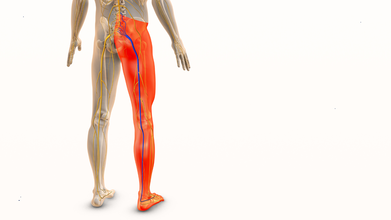
The muscles in your legs are important for your spine's health. The hamstring, hip flexor, and calf muscles are all significant players in the movement and positioning of your spine. Leg stiffness has the potential to cause unnecessary strain on the spine and back. Leg stiffness limits the movement and positioning of the hips and the spine.
When these muscle groups are tight, they alter pelvic alignment and increase load on the lumbar spine. Over time, this abnormal biomechanics can lead to disc stress and facet joint overload.
In neurosurgical practice, we often see young patients presenting with early symptoms of nerve compression where underlying muscle imbalance and stiffness play a contributory role.
Common Gym Mistakes That Increase The Risk
For young people, the main focus in the gym is on strength training, while flexibility and rest are ignored. This makes the condition of the legs stiffer. Another common error is improper posture while performing certain exercises in the gym. When the legs and hips are inflexible, proper posture is difficult, which causes pressure on the spine.
Sitting for a long time, studying, playing games on gadgets, etc., causes the hip flexors and the hamstring muscles in the legs to become stiffer, which causes pressure on the spine.
From a clinical standpoint, improper lifting techniques combined with stiffness can increase the risk of lumbar disc prolapse and nerve root irritation, conditions frequently encountered in spine clinics.
Tips to Prevent Spine Problems In The Gym
- Warm-ups: It is important to warm up the body before performing weightlifting exercises in the gym. It is recommended that the warm-up process take at least 5–10 minutes.
- Flexibility: It is important to include flexibility exercises in the gym routine, as they help in the proper movement of the legs, which in turn helps in preventing spine problems.
- Proper Posture: It is important to maintain proper posture while performing certain exercises in the gym, like squats, deadlifts, etc.
- Stretching After Workouts: This will help in the release of tension in the muscles and prevent the buildup of stiffness.
- Balance of Training and Recovery: This will help in maintaining the flexibility of the muscles and the spine.
Additionally, from a neurosurgical perspective, core strengthening plays a crucial role in stabilizing the spine and reducing the risk of disc-related injuries. Early attention to minor symptoms like back stiffness or radiating pain can prevent progression to more serious conditions requiring intervention.
Common Spine Problems To Avoid
Common spine problems to avoid during gym workouts include Herniated Disc, Sciatica, Spondylolisthesis, and Muscle Strain. These can occur from poor form, heavy lifting, or lack of warm-up.
In advanced cases, such conditions may lead to nerve compression requiring specialized evaluation and, rarely, surgical management. However, most of these issues are preventable with correct technique and conditioning.
Fitness enthusiasts in the Gen Z generation need to understand that it is very important to develop strength in the body while at the same time maintaining flexibility. The solution to the problem of a stiff leg is the foundation of protecting the spine and improving workout performance. This is achievable through the right warm-up, correct workout, and correct lifting.
Dr. Gaurav Batra is a Consultant - Neurosurgeon (Brain & Spine) at Max Hospital, Vaishali.
Meningitis Outbreak: Who Can Get The MenB Vaccine?

A recent meningitis outbreak in Kent University has led to many people wandering about the MenB vaccine and whether they should be getting it. The UK Health Security Agency (UKHSA) with NHS England and the government is already coordinating a targeted vaccination programme against Meningitis B- the strain identified to cause the outbreak.
Who Is Eligible for MenB Vaccine?
As per UKHSA, anyone in the following group has been offered preventative antibiotics which is also known as prophylaxis, is being offered the MenB vaccine. As of now, this includes:
- close contacts of those who are confirmed or suspected to have meningococcal disease
- students at the University of Kent who are normally resident on the Canterbury Campus, including those who may have now travelled home. Some staff living or working in these Halls of Residence have also been offered preventative antibiotics and are eligible for vaccination
- students who attend other universities in Canterbury, living in halls of residence or off-campus locations where there has been a case, and have been advised to take an antibiotic due to a close contact by UKHSA
- sixth form students (years 12 and 13) attending a secondary school or sixth form college in Kent where there has been a confirmed or probable case of meningococcal disease informed by local risk assessment
- anyone who visited or was working at Club Chemistry in Canterbury between 5 March and 15 March, when the venue closed voluntarily
Read: Fact Check: Did Keir Starmer Say UK ‘May Need To Go Into Lockdown’ If Meningitis Cases Keep Rising?
Is there Any Risk To The Public?
As of now, notes UKHSA that the risk of infection to the wider public remains low. This is because transmission of MenB requires close and prolonged contact to spread. This could only happen when people are living in the same household and with intimate contact such as kissing or sharing drinks or vapes.
The bacteria, notes UKHSA, are not as contagious as the other infections like measles and COVID 19.
Why Are Antibiotics Being Prescribed?
Antibiotics play an important role, and almost an immediate one when it comes to responding to an outbreak. For anyone who has been in close contact with a confirmed or suspected case, preventative antibiotics are being offered to them to clear any meningococcal bacteria they may be carrying. This will reduce the risk of them becoming ill or passing the bacteria on to others.
Most Commonly Asked Question: I've Had The MenACWY Vaccine, Do I Still Need MenB Vaccine?
The simple answer is a yes. UKHSA notes that if you are eligible for the MenB vaccine despite the fact that you have taken MenACWY vaccine, you should come forward and take the MenB vaccine. This is because the MenACWY vaccine does not protect you against the MenB strains, as they are both different strain. MenB has been identified as the primary cause of meningitis outbreak in Kent University.
- Follow Us :


© 2024 Bennett, Coleman & Company Limited