
- Health Conditions A-Z
- Health & Wellness
- Nutrition
- Fitness
- Health News
- Ayurveda
- Videos
- Medicine A-Z
- Parenting
What To Expect From Menopause?

Menopause could lead to weight gain (Credits: Canva)
There are many phases in a woman's life, menarche, menstruations, pregnancy, postpartum and menopause. Each phase comes with its own challenges, and changes the way of looking at life. However, narrowing to one, today we are focusing on weight gain after menopause. Gaining weight is a common concern for many women are approaching menopause. This period brings hormonal changes, shifts in activity levels and effects of aging. All of these contribute to weight gain. However, not everyone experiences weight gain during menopause, and individual experiences may vary greatly.
Menopause and Its Life Phases
Before diving into the specifics of weight gain, it’s helpful to understand the terminology associated with menopause:
- Premenopause refers to the period between puberty and the commencement of perimenopause.
- Perimenopause is the transitory period before menopause, characterized by fluctuating reproductive hormones.
- Menopause is defined as the absence of menstrual cycles for 12 consecutive months.
- Postmenopause is the period following menopause; typically used interchangeably with "menopause."
Hormonal Changes and Weight Gain
Hormones influence weight fluctuations after menopause, specifically how fat is distributed and how the body controls hunger.
Fat Content and Distribution
The hormonal fluctuations of perimenopause and menopause influence where fat is stored in the body:
Perimenopause: During this phase, estrogen levels fluctuate while progesterone levels decline steadily. In early perimenopause, higher estrogen levels can promote fat storage in the hips and thighs as subcutaneous fat, which generally carries fewer health risks.
Menopause: As estrogen levels drop significantly, fat storage shifts to the abdominal area as visceral fat.
This type of fat surrounds internal organs and is associated with health risks like:
- Insulin resistance
- Type 2 diabetes
- Heart disease
- Other metabolic issues
Appetite Regulation
Lower estrogen levels during perimenopause can have an impact on appetite management. A 2019 analysis found that decreased estrogen may diminish satiety signals, making you feel less full after meals. This might lead to increased calorie consumption and weight gain.
The Effect of Age on Weight
Weight gain during menopause is attributed to more than just hormonal changes. Several elements come into play throughout the aging process:
Increased fat content and decreased muscle mass: These changes affect the body's resting energy expenditure (REE), which means fewer calories are expended when at rest.
Lower activity levels: Fatigue, sleep difficulties, and menopause-related symptoms can all lead to a decrease in physical activity, further reducing REE and increasing weight.
Managing Weight Gain During Menopause
If you are concerned about weight gain during menopause, a variety of strategies can help you manage it effectively. It is usually recommended that you speak with a healthcare practitioner before developing a specific approach.
Dietary modifications
Focus on a well-balanced diet that includes less carbohydrates, more fiber, and less added sugar and salt.
Include nutrient-dense meals to boost overall health.
Physical exercise
Regular exercise helps to maintain muscle mass and reduce body fat. Strength training, aerobic, and flexibility exercises are quite beneficial.
If you have osteoporosis, see your doctor about safe activity options.
Rest and Stress Management
Prioritize sleep and relaxation to combat fatigue and stress, both of which can contribute to weight gain.
Mindfulness practices or yoga may help reduce stress levels.
Can Botox help treat finger ulcers and gangrene?

Credit: iStock
If you think that injections of botulinum toxin -- commonly known as Botox -- are only used to make skin wrinkle-free, you may be mistaken.
A new study led by US researchers has shown that Botox injections can act as a “rescue therapy” to treat conditions such as finger ulcers, digital ischemia, and gangrene that are difficult to manage with standard therapies.
Finger ulcers (or digital ulcers) are painful open sores, while acute digital ischemia causes the fingers to become extremely painful, cold, and sometimes pale or bluish in color. Gangrene is the dangerous death of body tissue (necrosis), often turning skin black, green, or purple.
These debilitating complications, often associated with conditions like lupus, rheumatoid arthritis, systemic sclerosis, or bacterial infections, are caused by reduced blood flow to the fingers and heal poorly.
Botox injections, which work by reducing blood vessel constriction and improving circulation, may help achieve complete healing of lesions in more than 85 percent of such patients, according to a study recently published in JAMA Dermatology.
“These new findings are particularly important because therapeutic options remain limited for the cutaneous and vascular manifestations of systemic sclerosis and other autoimmune diseases,” said Dr. Netchiporouk, a scientist in the Infectious Diseases and Immunity in Global Health Program at the Research Institute of the McGill University Health Center.
Netchiporouk noted that the available vasodilator and immunosuppressive treatments are generally administered intravenously.
In contrast to Botox injections, these are also costly, minimally effective, and associated with significant adverse effects.
Also read: Botox Helped Her Burp: How Injectables Changed A 25-Year-Old's Life
The study also described the case of a 50-year-old man with a rare autoimmune disease that caused joint pain and digital necrosis (gangrene).
While traditional medications helped reduce his pain, he was forced to stop working, and the condition severely impacted his quality of life.
However, after receiving botulinum toxin injections, his pain was relieved, and sensation improved within 24 hours, and the necrosis began to improve within two weeks.
“This treatment has become an important tool, especially for patients with autoimmune vascular diseases that result in serious health consequences and for which there are few therapeutic options,” Netchiporouk said.
Also read: Why Regulatory Clarity Is Important for Safe Aesthetic Procedures in India
Botox: Safe, With Minimal Adverse Effects
The study, based on a systematic review and individual patient data meta-analysis of 30 published studies and one unpublished case involving 119 patients, found that only a few patients experienced adverse effects.
These were generally mild and short-lived, most commonly temporary muscle weakness or pain at the injection site.
“Our results show that botulinum toxin can improve blood circulation in the fingers and treat serious complications such as ulcers or gangrene, offering a safe and easy-to-administer alternative,” said Dr. Catherine Zhu, a dermatology resident at the McGill University Health Center.
Zhu added that the injections can be easily administered by rheumatologists and dermatologists in outpatient settings, reducing reliance on intravenous therapies that require hospitalization and increasing overall healthcare costs.
Importantly, in most cases, a single injection session was sufficient to achieve the desired response.
“Botulinum toxin can offer significant benefits with a favorable safety profile. It deserves further study to develop standardized protocols and optimize outcomes,” said Dr. Netchiporouk.
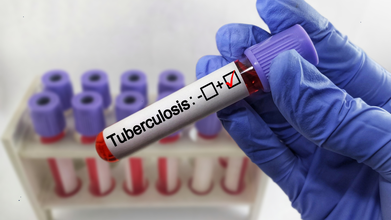
ICMR's Advanced Blood Test to Predict Risk of TB 1.5 Years Before Symptoms Appear
Credit: iStock
Even after being preventable and curable, tuberculosis (TB) retains its status as one of the deadliest infectious diseases more than 140 years after Robert Koch announced the discovery of Mycobacterium tuberculosis (Mtb) on March 24, 1882.
A major challenge is that millions of people carry it without knowing, and current tests often miss it. This is known as latent TB infection, where bacteria exist in an inactive state in the body.
While you do not feel sick, the infection can progress to active, contagious TB disease.
Ahead of World Tuberculosis Day, on March 24, scientists at the Indian Council of Medical Research-National Institute for Research in Tuberculosis (NIRT) in Chennai, reported developing an advanced blood test that can find TB even when it's hiding, and before it gets serious.
In the study, published in the Lancet journal eBioMedicine, the researchers explained about detecting circulating cell-free Mtb DNA in the plasma of individuals at high risk of developing TB disease via a dual target-based digital droplet PCR (ddPCR) assay.
The test was targeted at adults without a clear diagnosis of TB (asymptomatic or clinically diagnosed TB).
Using the test, the team led by Luke Elizabeth Hanna from NIRT's Department of Virology and Biotechnology, found TB in the blood up to 18 months before a person was diagnosed.
They identified eight out of 10 people at risk - all before they fell sick with the infectious disease.
“The new test performed better than all existing standard TB tests combined. This test could change how we fight TB - by finding it early, treating it faster, and stopping it from spreading,” said the team in the paper.
Tuberculosis: Advanced Blood Test
Detection of pathogen-derived cell-free DNA (cfDNA) has been gaining much attention in recent years for the diagnosis of several clinical conditions.
cfDNA is a liquid biopsy blood test that analyzes small, non-cellular DNA fragments circulating in the bloodstream.
The team found that the advanced blood test could find tiny traces of TB in the blood - even when a person feels completely healthy.
The test works by breaking a small blood sample into thousands of tiny droplets and searching each one for TB.
The study included 46 healthy household contacts of patients with pulmonary TB who developed TB within two years of follow-up, and 92 HHCs who did not progress to TB.
Plasma was obtained and subjected to testing using a ddPCR assay targeting two Mtb-specific insertion sequences, IS6110 and IS1081.
"Our findings support the diagnostic utility of ddPCR-based detection of circulating Mtb-derived cell-free DNA in plasma of individuals at high risk for progressing to active TB several months prior to clinical diagnosis," the ICMR-NIRT researchers said.
"These findings address important unmet diagnostic needs and indicate the potential of plasma-based Mtb ccfDNA detection to contribute to improved TB case detection and progress towards the WHO End TB goals," they added.
The WHO End TB Strategy
In 2024, an estimated 10.7 million people fell ill with TB worldwide, including 5.8 million men, 3.7 million women and 1.2 million children. TB is present in all countries and age groups, according to the World Health Organization (WHO).
The WHO aims to End TB by 2035, with a 95 percent reduction in deaths and a 90 percent reduction in incidence compared to 2015.
World Down Syndrome Day 2026: AIIMS Doctor Shares Early Screening Tests To Eliminate Risks
Credit: iStock
Down Syndrome is a common genetic disorder in which an extra copy of chromosome 21 (Trisomy 21) causes mild-to-moderate intellectual disabilities, developmental delays, and characteristic physical traits.
Every year, World Down Syndrome Day is observed on March 21 every year to raise public awareness about the condition, which deserves more than medical care.
The theme for World Down Syndrome Day 2026 is 'Together Against Loneliness,’ and it focuses on raising awareness of how loneliness disproportionately affects people with Down syndrome and other intellectual disabilities, as well as their families.
According to the UN data, the estimated incidence of Down syndrome is between 1 in 1,000 -- 1 in 1,100 live births worldwide. Each year, approximately 3,000 to 5,000 children are born with this chromosome disorder.
In India, about 30,000 babies are born with Down syndrome every year.
While Down Syndrome is not preventable, in a video post on the social media platform X, Dr. Neerja Gupta from AIIMS Delhi highlighted the importance of early detection, screening, and long-term support for better outcomes.
Dr. Gupta, Professor, Division of Genetics at AIIMS's Department of Pediatrics, also explained the causes of the condition and shared tests that can help eliminate the risks in future babies.
“Down syndrome is a common chromosomal disorder in which chromosome 21 is present in three copies instead of two. Normally, every human cell has 46 chromosomes. However, in Down syndrome, there are 47 chromosomes because the 21st chromosome is present in three copies instead of two,” she said.
Due to the increase in the number of chromosomes, the child may:
- presents with mild to moderate intellectual disability,
- have problems related to the heart,
- have problems of hearing,
- have vision problems
- have problems related to thyroid.
"The sooner we can catch them, the earlier we can begin the intervention, resulting in better health outcomes," Dr Gupta said.
Types Of Down Syndrome
Down syndrome can occur in three types, depending on how the extra copy of chromosome 21 is present. In all cases, chromosome 21 appears in three copies, but this can happen in different ways.
- Trisomy 21 -- the most common type, where all cells have three copies of chromosome 21.
- Translocation -- when part of chromosome 21 is attached to another chromosome. In this, the recurrence risk increases in the next child.
- Mosaic -- It occurs in about 1 percent of children with Down syndrome. In this type, there are two cell lines—some cells have the normal 46 chromosomes, while others have 47 chromosomes (with an extra copy of chromosome 21).
Down syndrome: Early Screening Tests
Dr Gupta noted that the problem of Down syndrome is usually associated with the age of the mother."As the mother’s age increases, the risk of Down syndrome also increases. Today, there are several prenatal tests available to detect this condition during pregnancy," the expert said.
- The chromosomal disorder can be identified by doing a chromosome test called Karyotyping.
- The NT scan (Nuchal Translucency scan) is an important test done between 11 to 13 weeks. The ultrasound test measures fluid at the back of the baby’s neck. Increased thickness may indicate a higher risk of Down syndrome.
- The Dual Marker Test -- a blood test done during early pregnancy (11–13 weeks), often in combination with the NT scan.
- The quadruple test -- a blood test done during the second trimester (usually 15–20 weeks of pregnancy) to screen for chromosomal abnormalities.
"In this, the DNA is seen in the fetal baby's stomach through the mother's blood, to check whether the chromosomal copies are in the right number or not," she said.
The expert noted that this screening test is highly accurate, but if the results indicate a high risk, diagnostic testing of the fetus is recommended.
- Follow Us :


© 2024 Bennett, Coleman & Company Limited