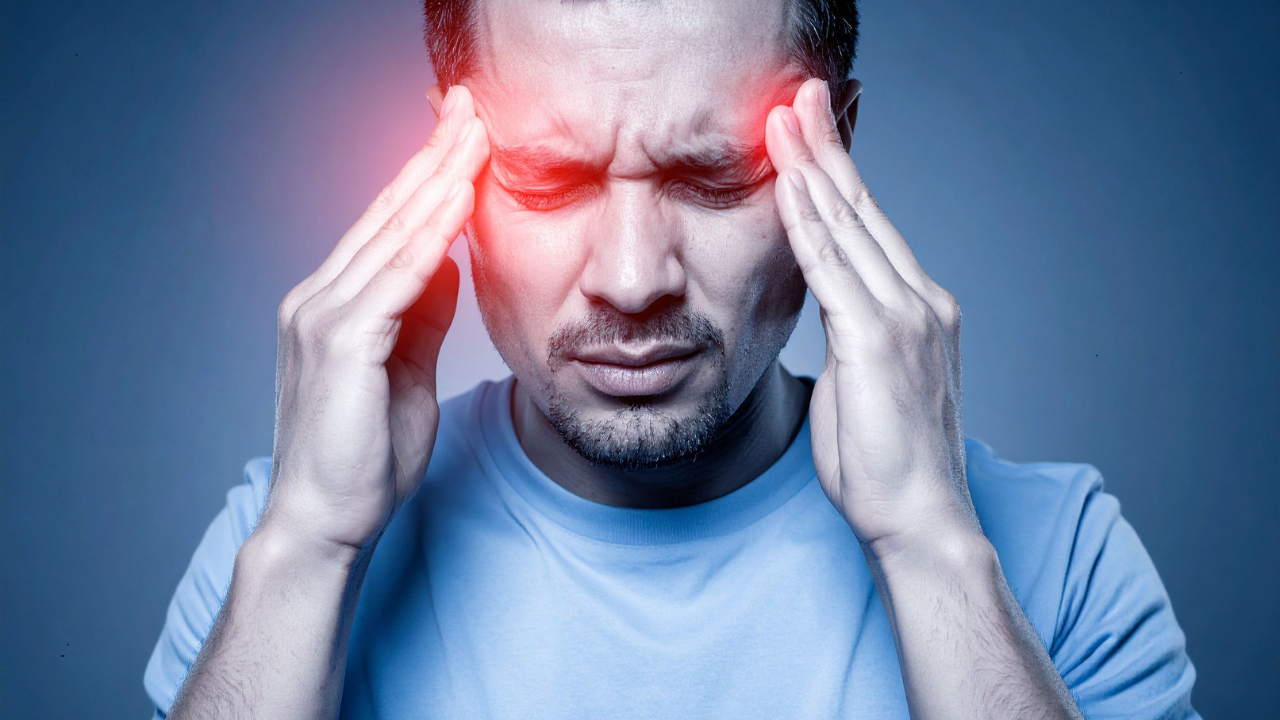
The brain is the main center of the body, which controls everything from movement and memory to emotions and decision-making. A headache or moment of forgetfulness can happen from time to time, but a few neuro symptoms indicate something. However, many people think of these warning symptoms as being stress, fatigue, or part of getting older. Knowing when your brain is trying to alert you to an underlying problem makes a critical difference in diagnosis, treatment, and long-term outcomes.What Is a Brain Tumor?A brain tumor is an abnormal growth of cells within the brain or its surrounding tissues. Tumors can be benign (non-cancerous) or malignant (cancerous), but even benign tumors can cause serious health problems by putting pressure on critical areas of the brain. The symptoms vary depending on the tumour's size, location, and rate of growth.Frequent And Severe Headaches A Warning Sign?Many neuro conditions, including brain tumors, stroke, aneurysms, infections, and degenerative disorders, can initially present with subtle symptoms like headache. Not all headaches indicate the same condition. While tension headaches are common, a sudden, intense headache that is described as the ‘worst headache of your life’ indicates conditions such as a brain hemorrhage or a brain tumor. Persistent headaches that become more frequent, change in pattern, or come with nausea or weakness should never be ignored.Brain Tumor: Key Neuro SymptomsSymptoms of a brain tumor can differ from person to person, but some common warning signs include:1. Numbness or Weakness: Weakness, numbness, or reduced sensation in an arm, leg, or one side of the body may indicate that the tumor is affecting the brain's motor or sensory pathways.2. Speech Difficulties: Slurred speech, trouble finding words, or difficulty understanding language can occur if the tumour involves regions of the brain associated with language.3. Vision changes: Blurred vision, double vision, or sudden loss of sight are the results of neurodegenerative conditions affecting the brain or optic pathways.4. Loss of Balance: Frequent stumbling, difficulty walking, dizziness, or trouble performing routine movements may develop when a tumor affects areas controlling balance and coordination.5. Seizures: A seizure occurring for the first time in adulthood should never be ignored, as it can sometimes be one of the earliest signs of a brain tumor.6. Memory and Personality Changes: Increasing forgetfulness, difficulty concentrating, confusion, or noticeable changes in mood and behavior may be warning signs that should not be overlooked.Brain Tumor: Diagnosis And TreatmentThe diagnosis of a brain tumor typically involves a detailed neuro examination followed by imaging tests such as MRI or CT scans, which help determine the tumor's location, size, and characteristics.Treatment depends on the type and stage of the tumor, as well as the patient's overall health. Surgery is often the first line of treatment and aims to remove as much of the tumor as safely possible while preserving brain function. Depending on the diagnosis, surgery may be followed by radiation therapy, chemotherapy, targeted therapy, or other advanced treatment approaches. Significant advancements in neurosurgical techniques, including minimally invasive and image-guided procedures, have improved both treatment precision and patient outcomes.Many neurodegenerative disorders progress silently before showing severe symptoms. Delaying medical help reduces the treatment options and increases the risk of permanent damage. Early diagnosis allows the professional to help you before the complications become life-altering. When it comes to brain health, responding early to distress signals is the difference between recovery and irreversible consequences.