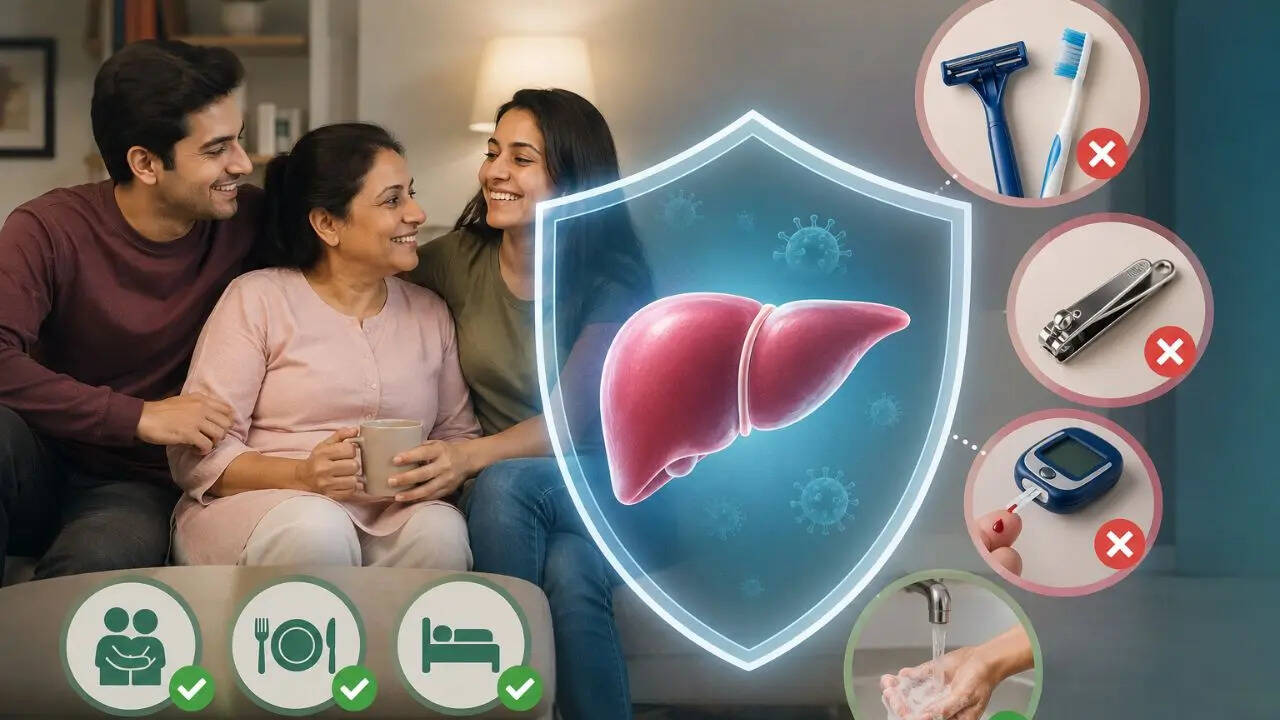
Living with someone who has hepatitis can be worrying. People tend to immediately wonder whether they are at risk simply by sharing meals, hugging, or living under the same roof. Fortunately, the answer depends on the type of hepatitis, and in most cases, everyday household contact does not spread the virus. Dr. Shalimar, Prof. Department of Gastroenterology, AIIMS explains, "Hepatitis means inflammation of the liver. There can be many causes, but viral hepatitis is one of the most common. There are different hepatitis viruses, including A, B, C, D, and E. Some cause acute illness, while others can lead to long-term liver damage, including cirrhosis and liver cancer."Experts say misinformation surrounding hepatitis often leads to unnecessary fear and stigma, causing patients to feel isolated. Understanding how different hepatitis viruses spread can help families protect themselves without avoiding normal interactions. Can You Get Hepatitis By Living With Someone? Dr Nanda Kishore M, Gastroenterology, Athulya Geriatric Care Hospital, answers our question, "No, Hepatitis is not a communicable disease that spreads through everyday contact such as hugging, holding hands, coughing, or sneezing." For most forms of hepatitis, the answer is no. However, hepatitis B is spread through contact with infected blood and certain body fluids. Household transmission is possible, but it generally occurs when infected blood enters another person's bloodstream.Possible household risks include sharing: RazorsToothbrushesNail clippersGlucose monitoring devicesAny item contaminated with bloodAlso read: Can Hepatitis Be Completely Cured? Understanding What Treatment Can AchieveDr. Kishore says that the mode of transmission largely depends on the type of hepatitis infected. He says, "Hepatitis A and E are predominantly spread via means of contaminated food and water, while Hepatitis B and C are transmitted through infected blood and certain bodily fluids." Hepatitis B is preventable by vaccine. Household members of someone with chronic hepatitis B are usually advised to get tested and vaccinated if they are not already immune. Dr. Shalimar says, "For hepatitis B, current treatment controls the infection, and newer therapies under development offer hope for a functional cure in the future. Vaccination has dramatically reduced hepatitis B in many parts of the world. Expanding vaccination coverage remains one of the most effective ways to prevent the disease." Living with a hepatitis infected individual is generally safe given that basic hygiene and recommended precautions are followed strictly. Understanding these facts helps reduce unnecessary fear and stigma associated with it.Also read: Grade-1 Fatty Liver: More Indians Are Developing It at Lower BMIs. What's Behind the Shift? Importance of Screening & Prevention Living with someone who has hepatitis does not mean you need to keep your distance. Instead, focus on practical precautions: Never share personal items that may come into contact with blood.Cover cuts and wounds.Wear disposable gloves while cleaning blood spills.Practice good hand hygiene.Ensure hepatitis B vaccination if recommended.Attend regular medical follow-ups if advised by your healthcare provider.Dr. Ankur Jain, Associate Director & Unit Head, Gastroenterology, Hepatology & Endoscopy, Max Hospital, Dwarka, explains, "Hepatitis B and Hepatitis C continue to affect millions of people worldwide and remain major causes of liver cirrhosis and liver cancer. Individuals with a history of blood transfusions before routine screening, unsafe injections, or other risk factors should discuss screening with their physician. He adds, "The liver has an extraordinary capacity to heal, but only if we identify problems early and address the underlying causes. Prevention, timely screening, and simple lifestyle modifications remain our most powerful tools in reducing the growing burden of liver disease in India."