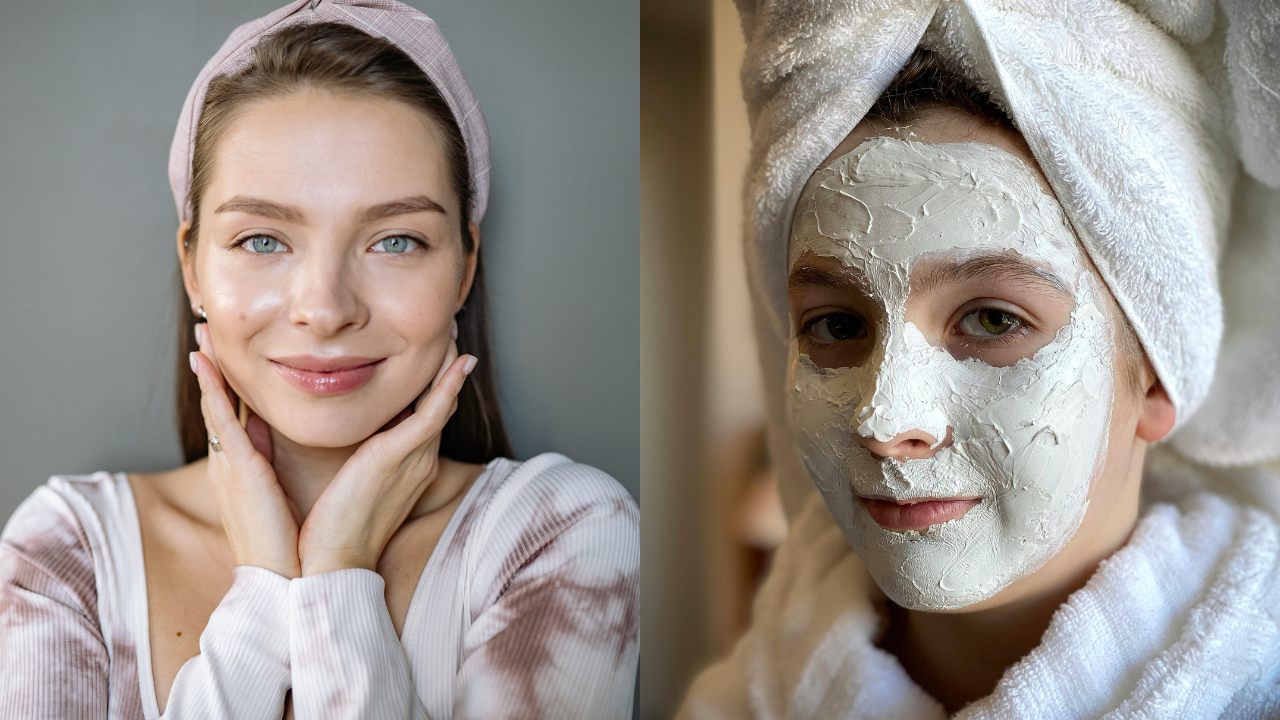
The lazy ones know that facial bleach is one beauty product that comes in handy at any point in time. Whether it was for that last-minute party glow-up or to hide a sudden tan line, facial bleach has long been a last-minute resort in Indian homes. But what really happens when you apply that potent cream on your skin and wait for its effect? We dug in to find out exactly what is going on when your face starts tingling mid-bleach.What is facial bleach?Facial bleach usually contains hydrogen peroxide as the main ingredient. This acts as a lightening agent, breaking down melanin, the pigment responsible for skin colour. When you apply bleach, you are not removing hair or tanning; you are just lightening it to make it blend in with your skin. What is happening under the surface?When you apply bleach to your skin, it sets off a chain reaction. The hydrogen peroxide oxidises, which in simple terms means it reacts with the pigment and hair proteins, breaking down melanin and making everything lighter in colour. Your facial hair goes blonde, and your skin tone appears brighter, not because it has suddenly become radiant, but because there is less visual contrast.It comes with side effectsIf you have ever felt your face heat up or sting while bleaching, you have experienced a minor chemical reaction. Bleach is harsh. It strips the skin’s protective barrier ever so slightly, which is why your skin might feel sensitive, look a bit red, or feel tight afterwards. Sensitive skin types should deal with it very carefully. Facial bleach can cause inflammation, itchiness, or even mild burns if left on too long or applied too often. And those with active acne, eczema, or any skin condition should steer clear altogether. Can it damage your skin in the long run?In moderation, bleaching every now and then might not wreak havoc, especially if you are using a reputable brand and following instructions to the dot. But using it too frequently is when trouble begins. Long-term, overuse can cause skin thinning, sensitivity to sunlight, and uneven pigmentation. Also, your skin does not get used to bleach. It tolerates it up to a point and then acts up. You might suddenly develop a sensitivity you never had before. Should you bleach at all?Bleach has its moment. If you are prepping for a function, want that one-off glow, or just feel like softening the appearance of facial hair, go ahead; just be smart about it. Patch test always. Stick to the recommended time. Do not pile it on like it is moisturiser. And do not expose your skin to the sun immediately. Use facial bleach sparingly, respect your skin, and be okay with skipping it altogether if your face is already protesting. Because no glow-up is worth a full-blown skin tantrum.