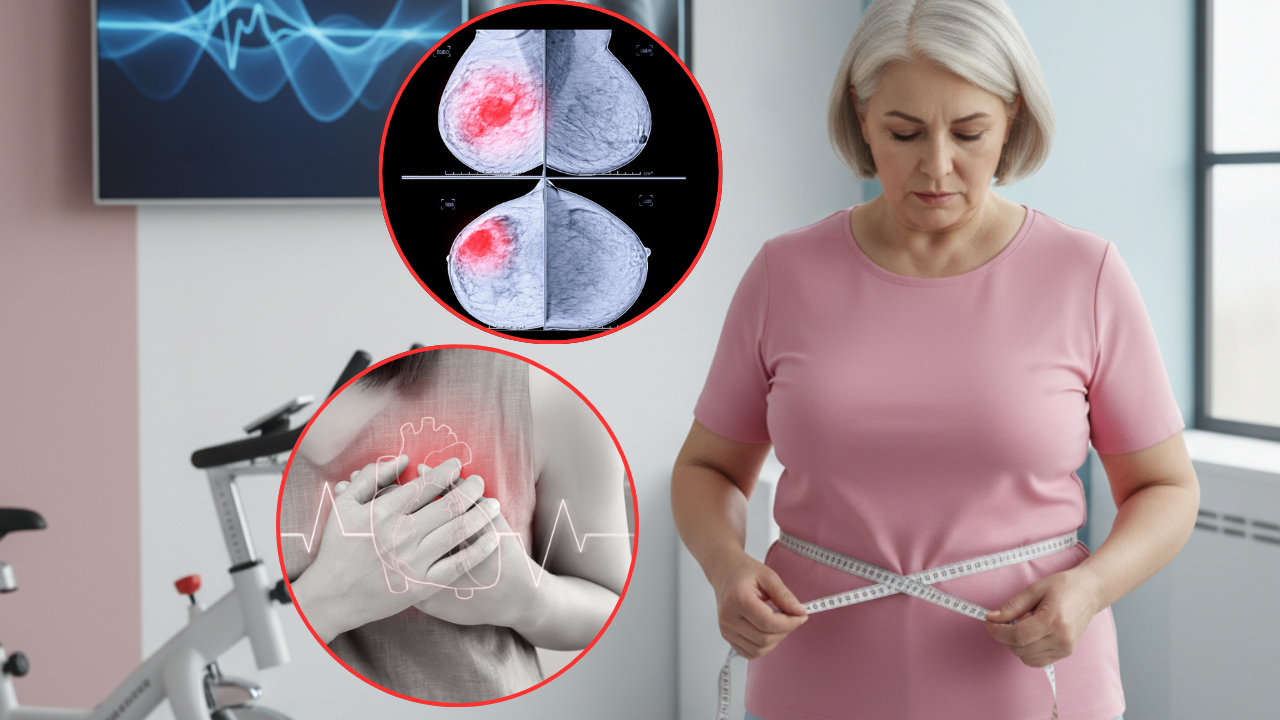
Recent research highlights a concerning link between cardiovascular health, body weight, and breast cancer risk in postmenopausal women. New studies indicate that excess weight, especially in women with heart disease, may significantly increase the likelihood of developing hormone-driven breast cancers, raising questions about preventive strategies and personalized screening approaches.While postmenopausal obesity has long been recognized as a risk factor for breast cancer, the nuances of how heart disease amplifies this risk are only now becoming clearer. A study led by Dr. Heinz Freisling from the International Agency for Research on Cancer analyzed over 168,000 postmenopausal women across Europe using data from the EPIC and UK Biobank cohorts. Researchers sought to determine whether excess weight poses a greater risk in women with cardiovascular disease (CVD) or type 2 diabetes.The findings were significant: postmenopausal women who were overweight, and particularly those categorized as obese, faced an increased risk of developing invasive breast cancers. Women with a BMI over 35 experienced a 58% higher risk of ER-positive and PR-positive breast cancers compared to those with a healthy BMI of 18.5 to 25. Moreover, breast cancer mortality was more than twice as high among women in the highest obesity category.Dr. Arvind Badiger, Technical Director at BDR Pharmaceuticals, explains the biological underpinnings, “Inflammation, insulin resistance, and hormonal disturbances found in CVD can drive tumorigenesis. Increased adipose tissue due to obesity is hormonally active and converts androgens to estrogens. Higher levels of estrogen may support hormone-receptor-positive breast cancers. Moreover, systemic inflammation caused by CVD releases pro-inflammatory cytokines and oxidative stressors that could possibly change DNA repair pathways and cellular proliferation.”Why Is Central Obesity A Stronger Predictor For Breast Cancer Risk?BMI, while commonly used in clinical settings, does not account for fat distribution. Dr. Badiger emphasizes that central obesity—measured through waist circumference or waist-to-hip ratio—may be a more accurate predictor of breast cancer risk. Visceral fat is metabolically active, promoting insulin resistance, chronic inflammation, and elevated estrogen production, all of which can drive cancer development.“Clinically, we observe greater metabolic derangement in centrally obese patients, even those with a normal BMI. Measurement of waist circumference and metabolic profiling must be included in routine risk assessment,” Dr. Badiger notes.Wat Role Medications and Hormonal Factors Play?Medications can also influence breast cancer risk and detection. Hormone replacement therapy (HRT), particularly combined estrogen-progestin regimens, has been associated with elevated breast cancer risk, while statins and metformin may offer protective effects due to their anti-inflammatory and anti-proliferative properties. Certain drugs, like corticosteroids, can obscure tumor markers and affect diagnostic clarity.This underscores the importance of integrating a comprehensive medication history when assessing breast cancer risk in high-risk populations such as obese postmenopausal women with underlying cardiovascular conditions.Lifestyle and Modifiable Risk FactorsThe American Institute for Cancer Research estimates that up to a third of U.S. breast cancers could be prevented if women maintained a healthy weight, engaged in regular physical activity, and avoided alcohol. The study also highlights that weight gain prevention is critical, as obesity remains one of the most modifiable risk factors for hormone-driven breast cancers.Nutrition, exercise, and lifestyle interventions are particularly relevant for postmenopausal women with CVD, as these measures not only support heart health but also reduce systemic inflammation and improve metabolic profiles, which may lower cancer risk.Screening and Early Detection RecommendationsExperts recommend that risk evaluation for obese postmenopausal women should extend beyond routine mammography. Dr. Badiger advises including metabolic markers—such as insulin resistance, lipid profiles, C-reactive protein, and estradiol levels—alongside waist measurements. Additionally, clinicians should assess underlying cardiovascular disease, medication history, and lifestyle habits to provide a more nuanced understanding of breast cancer risk.Customized screening programs that integrate clinical, biochemical, and lifestyle assessments can improve early detection and prevention in this high-risk group, ultimately reducing mortality rates associated with hormone-driven breast cancers.Essential Factors Postmenopausal Women Must Keep In Mind To Prevent Breast CancerMonitor waist size, not just BMI: Central obesity is strongly linked to metabolic changes that increase breast cancer risk.Be aware of cardiovascular health: CVD-related inflammation and hormonal imbalances may amplify cancer risk.Review medications: Hormone therapy, statins, and other drugs can influence both risk and detection.Prioritize lifestyle interventions: Weight management, physical activity, and diet play a vital role in prevention.Seek comprehensive screening: Ask healthcare providers about metabolic markers and tailored assessments beyond standard mammograms.The intersection of obesity, cardiovascular disease, and breast cancer risk in postmenopausal women highlights the urgent need for integrated prevention strategies. Understanding the biological mechanisms, monitoring central obesity, and implementing personalized screening and lifestyle interventions can provide women with actionable ways to reduce their risk and safeguard both heart and breast health.