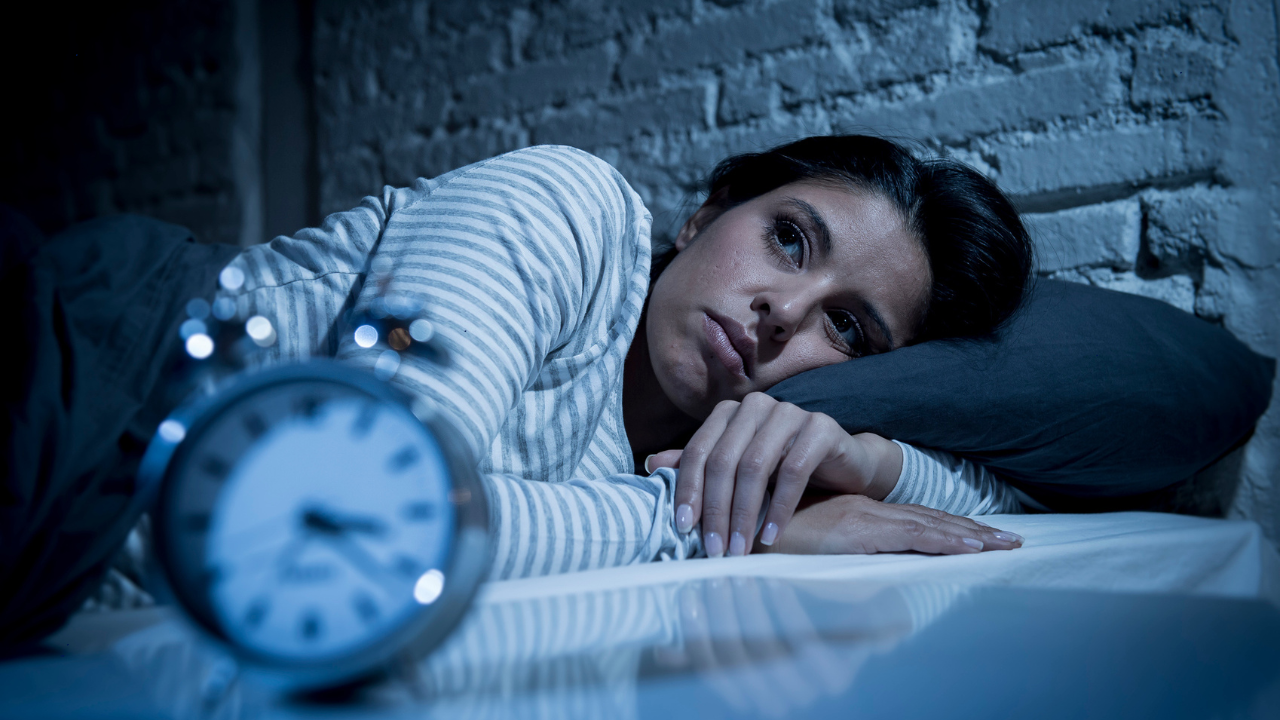
While research shows women need more sleep than men due to brain function, hormones, and multitasking, females around the globe are struggling to get enough sleep, according to experts. A 2016 study by the Sleep Research Centre at the UK’s Loughborough University found that women needed 20 minutes more sleep because of multitasking and performing more complex brain tasks during the day. But, the American Academy of Sleep Medicine (AASM), revealed that an estimated 30 percent of women fail to get sufficient sleep. Hormones, mood disorders, and caregiving responsibilities, coupled with professional pressures and stress, are the major reasons driving up insomnia and other sleep issues among women. “Women around the world face a higher burden of sleep difficulties because their sleep cycles are tightly interlinked with hormonal shifts that occur throughout life,” Dr. Janhvi Siroya Shah, Sleep Specialist from the University of Bern, Switzerland, told HealthandMe. Gender Gap In Sleep: Why Women Sleep Less The gender gap in sleep is real, as revealed by the recent ResMed Global Sleep Survey 2026, which showed that 56 percent of women get a good night's sleep only four days or fewer per week, compared to 50 percent of men. Women were also 48 percent more likely to report problems falling asleep than men (42 percent). More than 50 percent of women felt waking up not feeling rested for 1-2 nights per week or more, compared to 46 percent of men. The study flagged stress or anxiety as the biggest barrier to consistent, quality sleep (39 per cent), followed by work-related responsibilities (37 per cent) and household duties (31 per cent) among women. Speaking to HealthandMe, Dr. Kirti Kadian, from the Department of Pulmonary Critical Care & Sleep Medicine at AIIMS Bhopal, said: “Women experience disproportionate sleep challenges globally, largely because their bodies undergo repeated physiological transitions that influence how sleep is regulated.” The experts cited the main reasons as fluctuations during menstruation, pregnancy, postpartum recovery menopause. All these factors can alter mood regulation, increase nighttime alertness, and disrupt the architecture of sleep itself. Dr Kadian said that hormonal fluctuations across the life course -- especially during the menopausal transition -- can affect circadian rhythm, airway stability, pain sensitivity, and the nervous system’s response to stress. “When these biological changes coincide with external stressors, such as multitasking, emotional labor or caregiving demands, women become far more vulnerable to insomnia and unrefreshing sleep,” Shah said. The prevalence of sleep disorders increases from about 16–42 percent in pre-menopause to around 39–47 percent in peri-menopause and up to 35–69 percent in post-menopause, indicating that sleep disturbances become more common as women progress through different reproductive stages. “Declining levels of estrogen and progesterone can disrupt the body’s sleep regulation and trigger symptoms like hot flashes and night sweats, while reduced melatonin may make it harder to fall and stay asleep,” Dr. Kadian explained. In addition, certain medical conditions that are more common in women, such as thyroid disorders, anemia, and autoimmune diseases, can also negatively affect sleep and overall health. How Poor Sleep Affects Women Poor sleep also significantly affects both physical and mental health, increasing the risk of metabolic disorders, cardiovascular disease, weakened immunity, persistent fatigue, reduced concentration, irritability, anxiety, depression. How Women can Improve their Sleep The Harvard Medical School suggested that to get a better sleep cycle women should:Create a sleep sanctuary by removing the television, computer, smartphone or tablet, from the bedroom. Cut down or limit afternoon naps to 20 to 30 minutes Avoid caffeine after noon Get regular exercise, but not within three hours of bedtime.