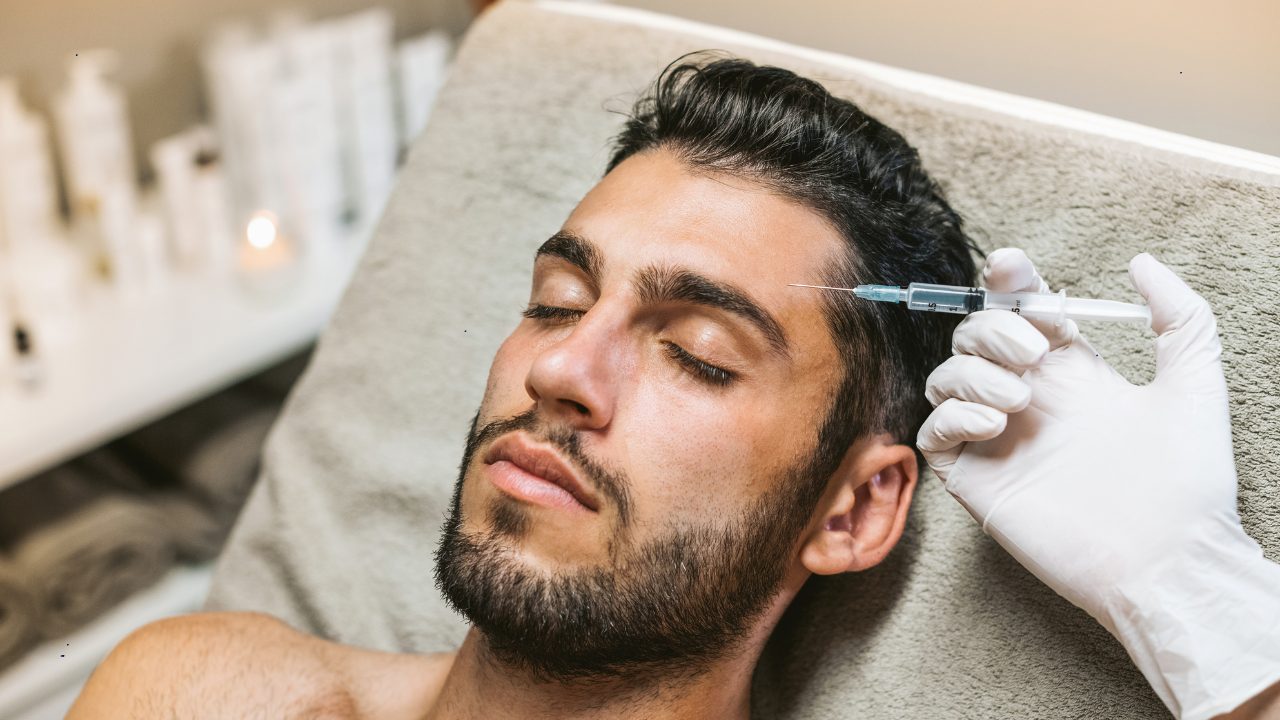
Cosmetic treatments are no longer rare or exclusive. A quick search online reveals hundreds of options promising smoother skin, sharper features, or younger-looking results. Walk through any city, and you’ll find salons and aesthetic studios advertising fillers, lasers, chemical peels, and anti-ageing injections. On the surface, it all looks routine. But for many doctors, this growing trend has also raised an uncomfortable question: who is actually performing these procedures?The skin is considered a cosmetic surface that can be polished or fixed quickly. In reality, skin is the largest organ of the body and is closely related to other deeper structures like the blood vessels, nerves, and muscles. Procedures that alter or inject into these layers require medical knowledge and technical training.When carried out by individuals without proper qualifications, even treatments marketed as “simple” can turn risky.The Rise of Unregulated Aesthetic TreatmentsIn recent years, cosmetic procedures have moved far beyond hospitals and specialised clinics. Many services are now offered in beauty salons or small aesthetic centres that operate with very little medical know-how.The treatments themselves may sound harmless: lip fillers, Botox injections, laser resurfacing, or skin tightening.Unfortunately, the procedures done are not merely surface-level. For example, injectables are not something done without considering the underlying structures and related anatomy. A small error or poor technique can result in uneven, unbalanced results, or prolonged swelling or more serious complications such as blocked blood vessels.Laser treatments also require expertise. Different skin types react differently to energy-based devices. Incorrect settings can result in burns, pigmentation changes, or scarring that may take months to correct.Medical Expertise MattersQualified dermatologists and plastic surgeons approach cosmetic procedures with a very different mindset. The process rarely begins with the treatment itself. It begins with evaluation.A trained specialist looks at the patient’s medical history, skin condition, lifestyle habits, and expectations before recommending any intervention. Sometimes the safest recommendation is to delay a procedure or choose a less aggressive approach.Patients should also take a moment to verify the doctor's qualifications to perform the procedure. A qualified plastic surgeon typically holds an MCh or DNB degree in plastic surgery, whereas a dermatologist holds an MD or DNB in Dermatology. The risks of choosing a provider on the basis of cost or accessibility can expose patients to unnecessary risks.Medical training also prepares specialists to recognise complications early and manage them effectively. Even well-performed procedures can occasionally cause reactions. The difference lies in how quickly those issues are identified and treated.There is a Hidden Cost to “Convenient” TreatmentsLower prices and easy accessibility often attract people toward unregulated services. What many do not realise is that fixing a poorly performed cosmetic procedure can be far more complex than the original treatment.Corrective procedures may involve dissolving fillers, repairing damaged skin, or undergoing additional medical care to restore normal appearance. Apart from the financial cost, these situations can also affect confidence and emotional well-being.Choosing Safety Over ConvenienceCosmetic procedures can be safe and effective when performed by trained medical professionals. Patients should feel comfortable asking about qualifications, experience, and the type of equipment being used. A responsible practitioner will always prioritise safety, proper consultation, and realistic expectations.Aesthetic treatments may focus on appearance, but the responsibility behind them is medical. Your skin deserves expertise, careful judgement, and the assurance that every step is taken with your health in mind.