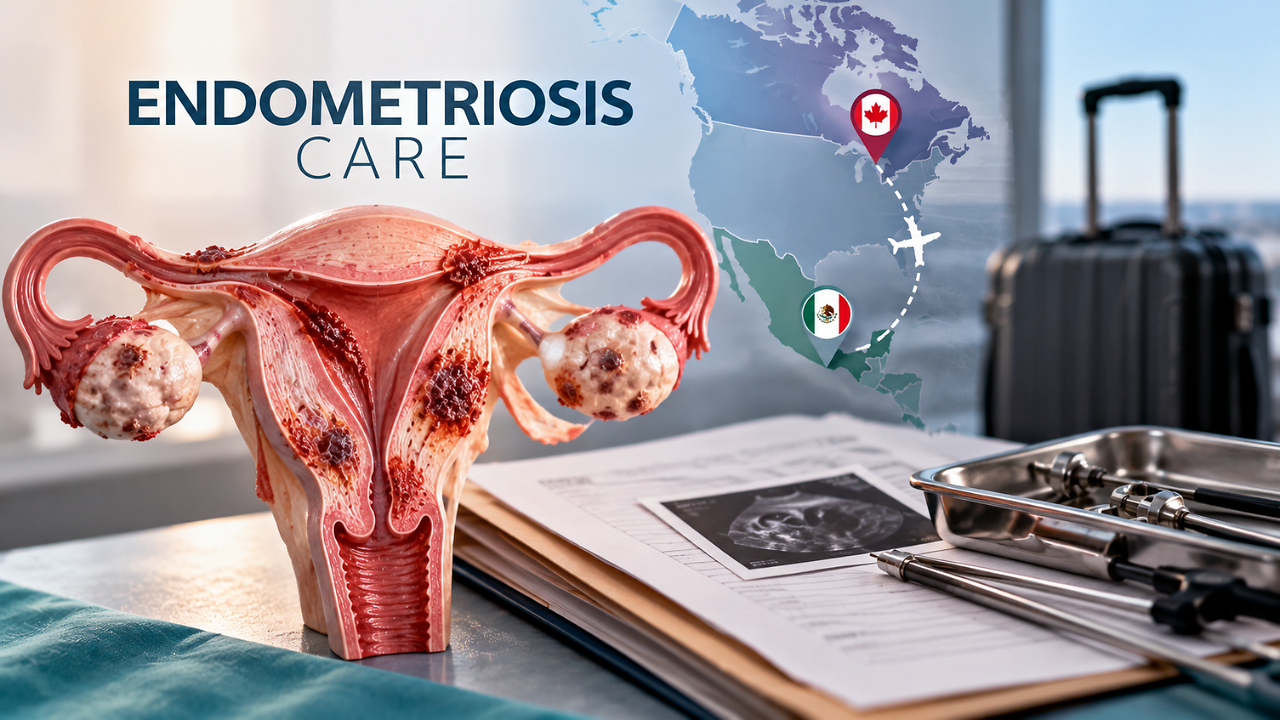
For some women with endometriosis, getting a diagnosis is only the beginning of a long struggle to access treatment and navigate management. In Canada, long waitlists for specialist appointments are pushing patients to consider expensive surgery abroad, highlighting how delays in care can prolong pain and disrupt everyday life.Noelle Menu, 37, from Calgary, said her symptoms intensified after she stopped taking birth control while trying to conceive at 26. Years of pain, emergency room visits, surgery and delays in specialist care eventually led her and her husband to seek private treatment in Tijuana, Mexico.After being told that waiting several years to see a specialist in Canada was possible, Menu said: “We can’t deal with it in Canada.”The couple used their savings and went into debt to pay for treatment at EndoGlobal in Mexico. The total cost was approximately $35,000, including travel, accommodation and other expenses, according to CBC News.Her experience highlights the delay in addressing endometriosis that can intensify debilitating symptoms. What Is Endometriosis And Why Can It Be Difficult To Diagnose?Endometriosis is a chronic condition in which tissue similar to the lining of the uterus grows outside it, potentially affecting the ovaries, bowel, bladder and other areas. The resulting inflammation and scar tissue can cause severe menstrual cramps, persistent pelvic pain, painful sex, bowel or urinary symptoms and difficulties conceiving.The World Health Organization estimates that endometriosis affects around 10% of reproductive-age women worldwide, or approximately 190 million people.Diagnosis can be challenging because symptoms vary and may overlap with other conditions. There is no single definitive test that identifies every case. Doctors may use a detailed medical history, pelvic examination, ultrasound or MRI, with surgery sometimes needed to investigate or treat suspected disease.The WHO estimates that diagnosis commonly takes between four and 12 years, leaving many patients managing symptoms without a clear explanation for prolonged periods.Also read: Endometriosis: Repurposed Anti-Parasite Drug Shows Promise In Mouse StudyHow Do Delays Affect Patients?For patients with severe disease, waiting for specialist care can mean continuing to live with pain that interferes with work, relationships, sleep and fertility plans.Another Canadian patient, identified in CBC's report as Papiernik, described discovering that endometriosis had infiltrated her colon after a colonoscopy detected a mass. She was referred for specialist care but faced further waits for an appointment and surgery.“Living like this for two years was just not an option for me,” she said.Canada's House of Commons health committee has identified gaps in endometriosis care, while the condition's economic impact includes lost productivity and healthcare costs. The issue is not simply whether treatment exists, but whether patients can access appropriate care before symptoms and complications become harder to manage.Also read: Urine & Vaginal Samples May Help Detect Womb Cancer: Lancet Study Suggests Less Invasive Way To Triage PatientsDoes Surgery Cure Endometriosis? Surgery can remove endometriosis lesions, adhesions and scar tissue, reducing pain and treating complications. However, it is not a guaranteed cure. Symptoms may persist or return, and treatment decisions depend on disease severity, the organs involved, fertility goals and previous treatment.Hormonal medicines and pain management can also help control symptoms. Some patients benefit from a combination of medical treatment, surgery and ongoing follow-up.Travelling abroad may offer faster access to specialist treatment, but it comes with financial costs and other challenges. Patients should consider the surgeon's experience, the facility's standards, the possibility of complications and arrangements for follow-up after returning home.