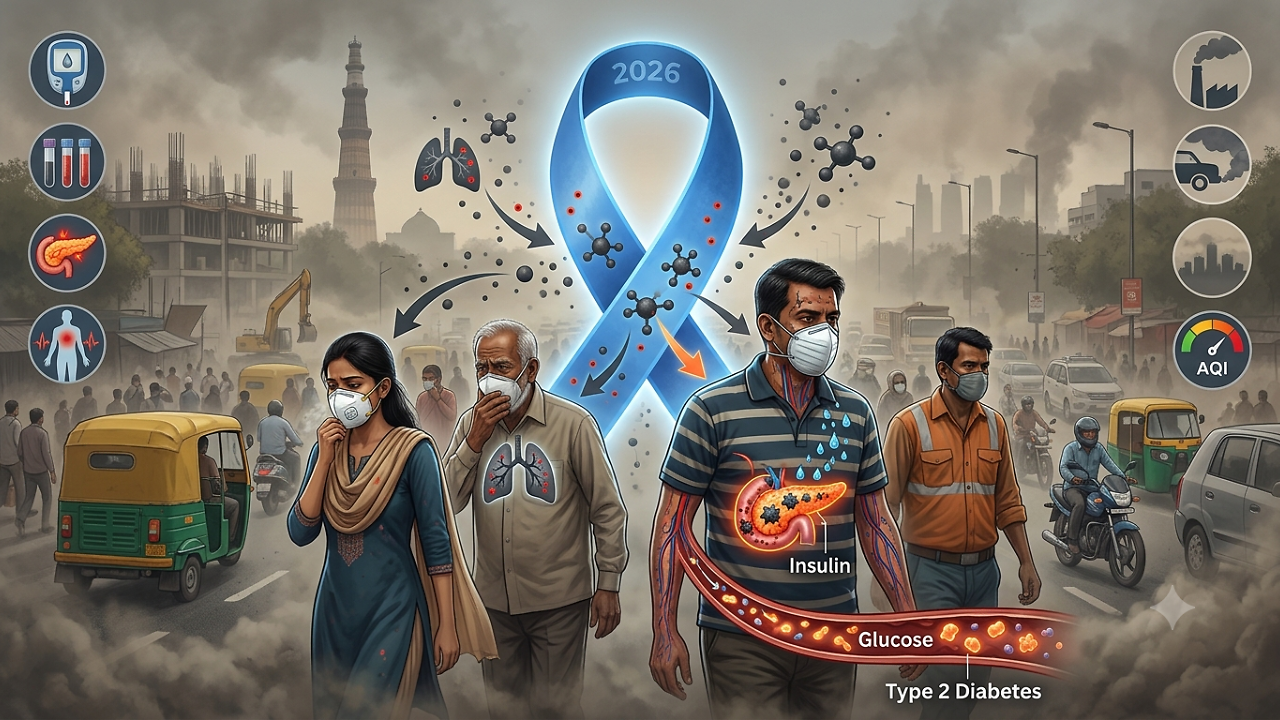
Once recognised primarily as a cause of respiratory problems, air pollution is increasingly being linked to cardiovascular and metabolic health concerns, among others. Emerging evidence suggests that long-term exposure to fine particulate matter (PM2.5) may also increase the risk of Type 2 diabetes.With India facing high pollution levels and a growing diabetes burden, experts on the occasion of World Diabetes Day 2026 stressed that cleaner air must become part of the wider conversation on diabetes prevention.Air Pollution And Diabetes: What's The Link?"Fine particulate air pollution (PM2.5) may contribute to insulin resistance by triggering inflammation and oxidative stress in the body. These processes can affect the liver, muscles and fat tissue, potentially interfering with insulin action," Dr Anoop Misra, Executive Chairman and Director, Diabetes and Endocrinology, Fortis C-DOC Hospital, told HealthandMe.A recent review of 13 systematic reviews, covering over 200 million cumulative participant observations, led by Dr Misra's team, found that long-term PM2.5 exposure was associated with a 10–16% higher relative risk of developing Type 2 diabetes for every 10 μg/m³ increase in exposure. This is particularly concerning for India, where pollution levels and diabetes prevalence are both high.Since nearly everyone is exposed to outdoor air pollution, even relatively small increases in individual risk could translate into millions of additional diabetes cases.Also read: Why Some Diabetes Patients May Not Be Suitable For GLP-1 Treatment, Experts ExplainDr Misra stated that pollution may also add to the effects of genetic susceptibility, abdominal obesity, unhealthy diets and physical inactivity. However, its role in the rising incidence of diabetes among younger people remains uncertain. Evidence that pollution directly worsens glucose control in people who already have diabetes is also limited.Dr V Mohan, Chairman of Dr. Mohan's Diabetes Specialities Centre, told HealthandMe that PM2.5 pollutants can trigger inflammation and oxidative stress, potentially affecting insulin function. He added that lifestyle changes, unhealthy diets, physical inactivity, stress, obesity and genetic factors also play important roles in the rising incidence of diabetes among younger Indians.Can Cleaner Air Help Prevent Diabetes?Dr Mohan said diabetes prevention should go beyond healthy eating, exercise and weight management to consider environmental factors.People can check daily AQI levels, avoid exercising near busy roads, use well-fitted N95 masks when exposure is unavoidable and consider HEPA air purifiers indoors.Dr Misra also emphasised that reducing exposure through cleaner air, better urban planning and effective pollution control should be part of India's diabetes-prevention strategy.The experts highlighted the need for collective action to identify and address the major contributors to air pollution. Individuals can also avoid strenuous outdoor activity on highly polluted days, while indoor HEPA filtration may help reduce exposure.Read More: HbA1c Test May Not Be Accurate For Everyone: Who Should Not Rely On It?Does Pollution Mean Earlier Diabetes Screening?People living in polluted cities should be more conscious of their metabolic health. However, there is currently insufficient evidence to recommend additional screening solely based on air pollution exposure, Dr Mohan said.India's screening recommendations advise testing adults from the age of 30, with earlier screening for those with additional risk factors such as obesity, family history and high blood pressure.Current guidelines do not specifically consider air pollution as an independent screening criterion. Dr Misra also noted that pollution exposure alone does not justify a separate, earlier diabetes screening schedule.Early screening, healthy lifestyles and a cleaner environment can together help reduce India's diabetes burden. Clean air must be recognised as an important component of a healthy metabolic environment.