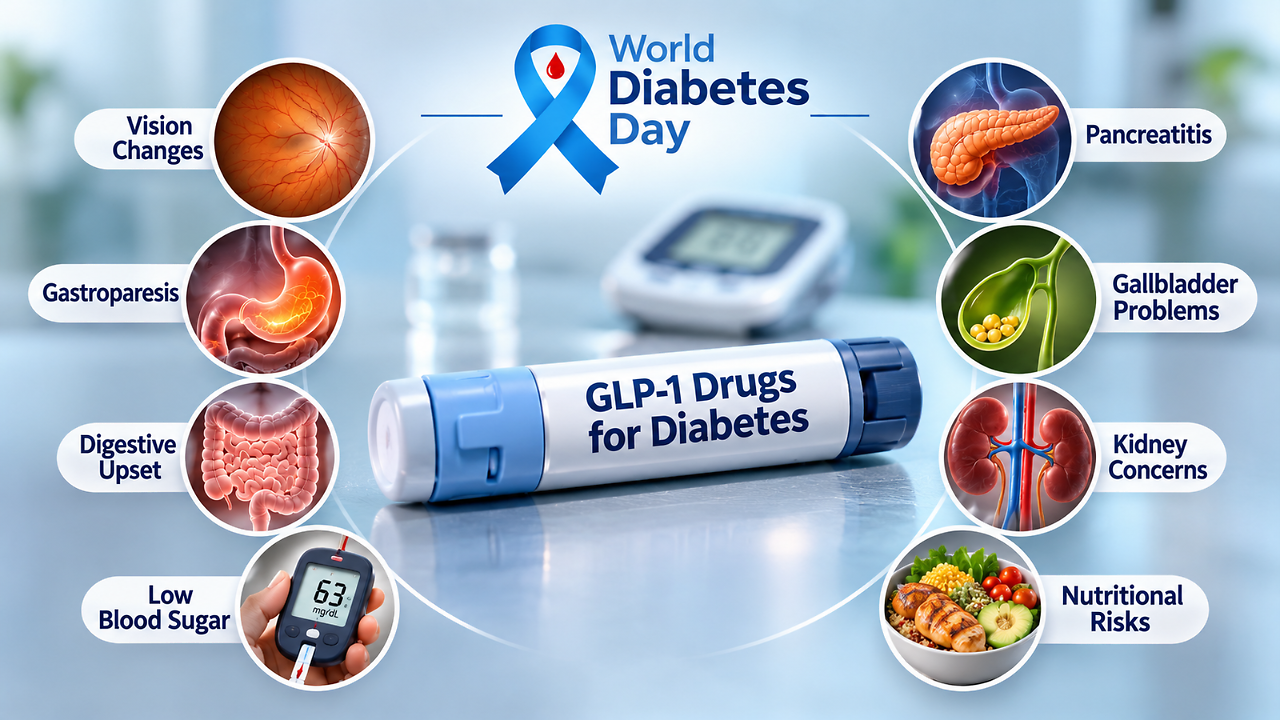
GLP-1 receptor agonists have established themselves as one of the most sought-after treatment methods to manage type 2 diabetes. Conversations around these drugs often focus on their ability to improve blood sugar control, promote weight loss and support metabolic health. However, what happens after a patient takes the first dose deserves equal attention. These medications, which include semaglutide, liraglutide and dulaglutide, mimic a naturally occurring hormone called GLP-1. They stimulate insulin release when blood glucose is high, suppress glucagon, slow stomach emptying and promote a feeling of satiety to reduce cravings.While there are plenty of benefits, GLP-1 medications are not suitable for everyone. Existing digestive conditions, other diabetes medications, kidney function and even retina health can influence how safely a patient responds to treatment.On World Diabetes Day, doctors explain why starting GLP-1 therapy requires more than checking blood sugar levels, and what patients should know about its complications. They also discuss lesser-known side effects a patient may face after the first dose. Who Can And Cannot Take GLP-1 Drugs To Manage Diabetes? Also read: Why Does Type 2 Diabetes Increase The Risk Of Alzheimer’s Disease? Neurologist ExplainsBefore initiating GLP-1 treatment, doctors need to understand a patient's overall health, diabetes as well as medication history. This includes checking HbA1c levels, blood glucose patterns, kidney function and any history of pancreatitis, gallbladder disease or gastrointestinal problems.Dr Bibhu Anand, Internal Medicine Specialist at Sir Ganga Ram Hospital, told HealthandMe that treatment decisions must be made according to the patient’s history.He said, "We see the patient's HbA1c, blood glucose profile, kidney function, medicine history, and medicine prior to the first dose in detail. We specifically identify patients already receiving insulin or sulfonylureas, as these doses may require modification to reduce the risk of hypoglycemia.”Patients with a personal or family history of medullary thyroid carcinoma or multiple endocrine neoplasia syndrome type 2 are generally advised against using these medications. Dr Anand said that those with a history of pancreatitis, severe gastrointestinal disease or gallbladder problems may also need assessment. The objective is generally to establish whether the benefits outweigh the risks.GLP-1 GI Side Effect Or Diabetic Gastroparesis?Also read: Stopping Mounjaro & Zepbound May Trigger Hallucinations, Mania & Other Psychiatric SymptomsNausea, bloating, vomiting, constipation and diarrhoea are among the commonly reported gastrointestinal effects of GLP-1 medications. These symptoms are expected in the initial weeks of treatment or after an increase in dose. However, constant digestive discomfort in someone with diabetes should not be neglected.Dr Richa Chaturvedi, Senior Consultant and Endocrinologist at Indraprastha Apollo Hospitals, Delhi, told HealthandMe that diabetic gastroparesis can cause symptoms that closely resemble gastrointestinal side effects due to GLP-1 drugs.Gastroparesis develops when nerve damage related to diabetes affects food movement through the stomach. Patients may experience frequent nausea, early fullness, vomiting food consumed several hours earlier and unpredictable blood glucose levels. Unlike discomfort due to medicines, these symptoms may already exist before treatment begins."The key difference lies in the onset and pattern of symptoms. GLP-1 medications slow gastric emptying, meaning food remains in the stomach longer. This can cause nausea, bloating, belching and early fullness, particularly when treatment begins or the dose increases. These symptoms may settle as the body adapts."Dr Chaturvedi emphasises that gastrointestinal symptoms should be assessed before starting treatment, especially in patients with chronic diabetes.A gastric emptying study can be done if symptoms suggest gastroparesis. GLP-1 medications are generally not recommended for patients with severe gastroparesis, as they can further delay stomach emptying and affect nutritional intake.Pancreatitis, Gallstones And Dehydration RiskAlso read: Semaglutide May Lower Fetal Oxygen Levels During Pregnancy, Sheep Study FindsAlthough mild digestive discomfort may improve as the body adjusts to treatment, certain symptoms require immediate attention.Severe pain in the upper abdomen or pain radiating towards the back, can indicate pancreatitis. Repeated vomiting, an inability to retain fluids, significant dizziness, reduced urination and upper-right abdominal pain accompanied by fever are other warning signs.Dr Chaturvedi explains that pancreatitis has been reported during GLP-1 treatment, although it is uncommon and a causal relationship has not been established.She said, “Gallbladder complications, including gallstones and inflammation, have a more established association with GLP-1 treatment. Rapid weight loss is an important contributing factor, as it can increase the likelihood of gallstone formation. Changes in gallbladder emptying may also play a role.”Another concern is kidney injury due to dehydration. Persistent nausea and vomiting can reduce fluid intake, potentially affecting kidney function, particularly in patients who already have kidney disease.Patients should therefore not dismiss severe abdominal pain or prolonged vomiting as routine side effect of the drug.Diabetics Need Eye Testing Before Starting GLP-1 TherapyAlso read: Stopping Ozempic or Wegovy May Double Your Risk Of Heart Attack, DeathDigestive complications are not the only concern after starting GLP-1 medications. For patients with diabetes, retina health also warrants attention.Dr Parul Maheshwari Sharma, Principal Director and Head of Ophthalmology at FMRI Gurgaon, told HealthandMe that a rapid improvement in blood glucose levels can sometimes cause an initial, temporary worsening of diabetic retinopathy. This phenomenon is known as early worsening of diabetic retinopathy.Dr Sharma explained, “When blood sugar levels fall substantially over a short period, changes in retinal blood flow and vascular regulation may affect blood vessels that are already damaged. The concern is particularly relevant for patients with poorly controlled diabetes, high baseline HbA1c levels or pre-existing retinopathy.”Patients with long-standing or poorly controlled diabetes, existing retinopathy or high HbA1c levels should ideally undergo a dilated retinal examination before initiating treatment, especially when substantial glucose reduction is anticipated.Rare Vision Complication Patients Should Know About Another emerging area of concern is non-arteritic anterior ischaemic optic neuropathy (NAION), a rare condition caused by reduced blood supply to the optic nerve that can result in sudden, permanent vision loss.Some observational studies have reported an association between GLP-1 medications, particularly semaglutide, and NAION. However, a direct cause-and-effect relationship has not been established, and the evidence is still evolving.Dr Sharma explains that this condition is different from diabetic retinopathy. While retinopathy affects the blood vessels in the retina, NAION involves damage to the optic nerve due to reduced blood supply.Patients should be aware of warning signs such as sudden, painless blurring or loss of vision, particularly in one eye. Patients experiencing sudden visual changes should not wait for symptoms to resolve on their own. She said, “Other symptoms include dark patches or blind spots in the visual field, distorted colour perception and difficulty seeing centrally. Sudden flashes, floaters or a curtain-like shadow across the vision also warrant urgent ophthalmological assessment. These symptoms could indicate conditions such as NAION, retinal complications or other sight-threatening emergencies.”