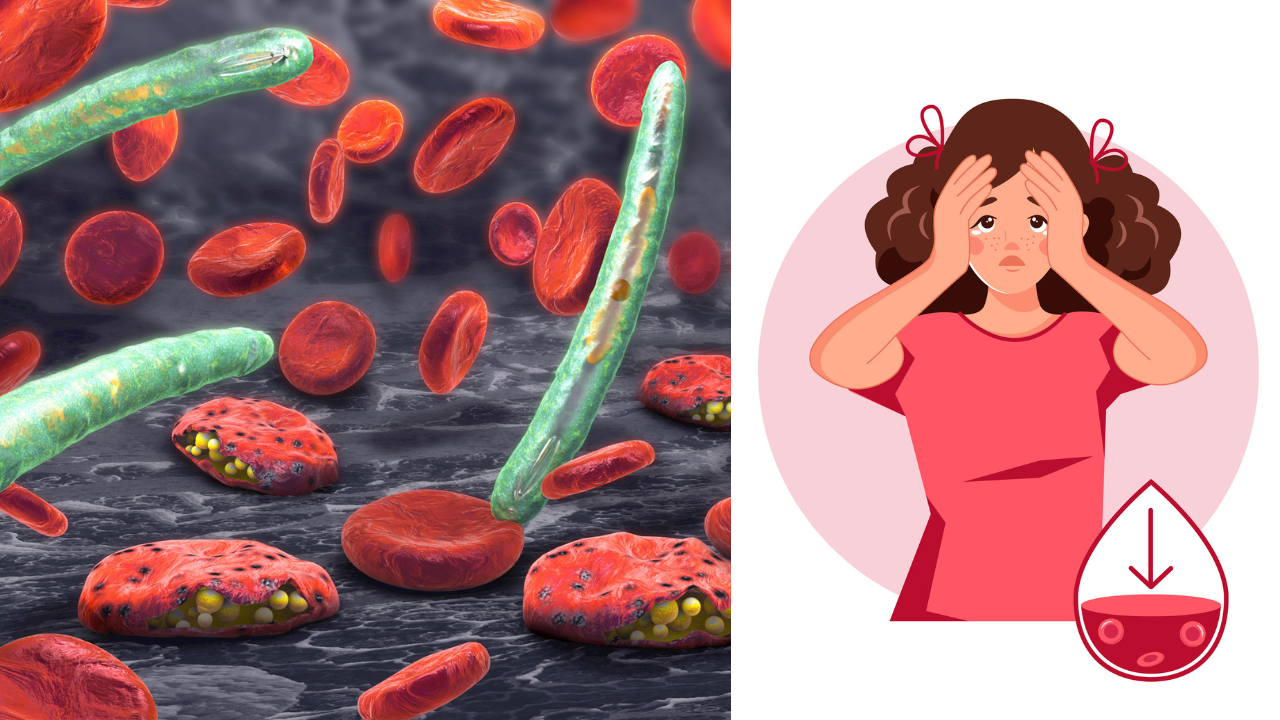
Malaria is usually understood as a fever illness, with symptoms such as chills, sweating, body ache, weakness, and in severe cases, anemia or organ complications. But for women, especially in malaria-prone regions, its impact can be more layered. It can disturb the body’s hormonal rhythm, worsen fatigue, complicate menstrual symptoms, and create confusion between infection-related pain and period-related discomfort. That is why malaria should not be seen only as a seasonal mosquito-borne disease, but also as a health concern that can affect women’s reproductive and menstrual well-being.India has made strong progress against malaria. According to the Government of India, reported malaria cases fell from 11.6 lakh in 2015 to 2.27 lakh in 2023, a reduction of roughly 80%. Malaria-related deaths also declined from 384 to 83 in the same period, a fall of about 78%. This shows that prevention, testing, surveillance, and treatment have improved significantly. At the same time, malaria has not disappeared. The risk remains higher in endemic, tribal, forested, and hard-to-reach areas, where mosquito exposure, delayed testing, limited access to care, and anemia can make the illness more difficult to manage.How Malaria Dents Menstrual HealthThe connection begins with the body’s stress response. Malaria infection does not remain limited to the bloodstream. Research on hormones in malaria shows that the infection can affect host metabolism and create hormonal imbalances, with changes influenced by parasite type, disease severity, immune response, age, sex, nutrition, and stage of infection. The research notes that malaria can dysregulate the hypothalamic-pituitary-adrenal, thyroid, and gonadal axes, which are central to stress, metabolism, and reproductive hormone regulation.For menstrual health, this matters because periods are not controlled by the uterus alone. They depend on coordination between the brain, ovaries, and hormones such as estrogen and progesterone. When the body is fighting malaria, that rhythm can be disturbed. Fever, inflammation, poor appetite, weakness, anemia, and high physical stress can make periods late, lighter, heavier, or more exhausting than usual. In some women, premenstrual symptoms such as body ache, fatigue, abdominal discomfort, and mood changes may also feel worse because malaria itself produces overlapping symptoms. There is also a direct hormonal pathway to consider. Cortisol, often called the stress hormone, is reported to rise in both P. falciparum and P. vivax malaria. High cortisol can affect immune function and may also disturb the wider hormonal balance on which regular ovulation and menstruation depend. The same research notes that lower estradiol has been reported in severe falciparum malaria, while progesterone levels have also been reported to be lower in patients with P. falciparum malaria. These findings do not mean every woman with malaria will have menstrual changes, but they do show that malaria can interfere with the hormonal systems linked to reproductive health.Link Between Malaria And Anemia in Women Anemia is another important link. Malaria can destroy red blood cells and contribute to severe anemia. Menstruation, especially heavy bleeding, can also lower iron stores. When both happen together, the result can be extreme tiredness, dizziness, breathlessness, paleness, poor concentration, and slower recovery. This is particularly relevant in India, where anemia among women is already a major public health concern. A woman recovering from malaria who also has heavy periods should not dismiss prolonged weakness as “normal period fatigue.”Malaria: Delayed Symptoms In WomenOne reason diagnosis can be delayed is that malaria symptoms are often nonspecific. WHO lists fever, headache, and chills as common early symptoms, and says early testing is important because symptoms may initially resemble many other fever illnesses. In women, body ache, fatigue, abdominal discomfort, and weakness may be mistaken for PMS, a painful period, viral fever, or early pregnancy unless malaria is actively considered.The risk is even more serious during pregnancy, including early pregnancy when a woman may not yet know she is pregnant. WHO states that malaria during pregnancy can cause premature delivery or low birth weight, and it is also noted that pregnancy reduces immunity to malaria, increasing the risk of severe anemia and illness.The practical message is simple: if fever with chills, severe body ache, vomiting, unusual weakness, dizziness, or headache appears around the time of a period, it should not automatically be treated as PMS or “period weakness,” especially after travel to or residence in a malaria-prone area.A malaria test should be done promptly, and treatment should be taken only under medical supervision.Malaria can affect menstrual health by placing stress on the body’s blood, hormones, immunity, and energy reserves. For women, recognizing this connection can help prevent delayed diagnosis and support faster recovery.