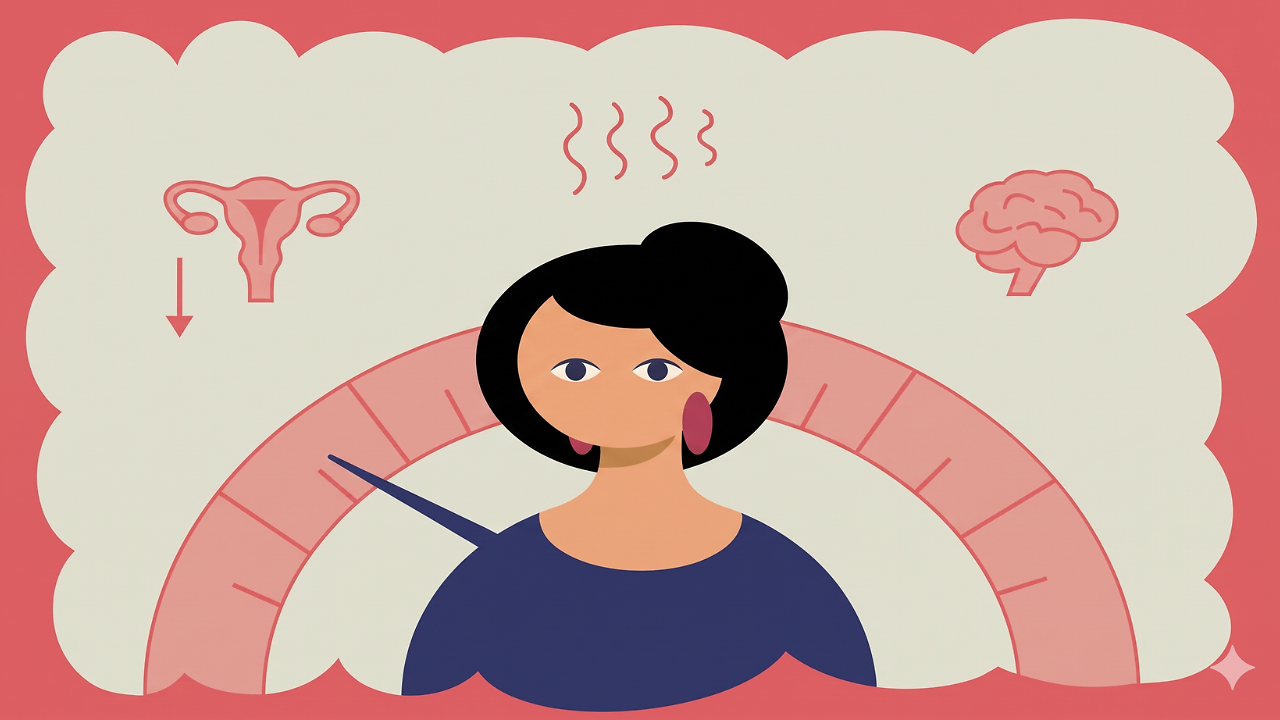
Menopause typically occurs between the ages of 45 and 55. However, the hormonal changes leading up to it can begin earlier, with some women reporting symptoms in their 30s. A 2025 study published in NPJ Women's Health examined 4,400 American women aged 30 and older. It found that roughly 55% of women aged 30-35 reported moderate or severe symptoms on the Menopause Rating Scale. The proportion rose to just over 64% among women aged 36-40. Despite these symptoms, most women did not seek treatment until they were 56 or older. Speaking to HealthandMe, Dr. Kajal Parikh is an Obstetrician and a Gynecologist based in Mumbai, explained how hormonal changes can begin in the mid-to-late 30s, the signs women should watch for, and why monitoring symptoms and maintaining healthy habits matter during this transition. Perimenopause Can Begin In Your Mid-To-Late 30s From the first menstrual period to menopause, the body undergoes significant hormonal changes. Estrogen and progesterone are among the hormones involved in this process. “These hormones don't exit overnight. The exit starts much earlier. Starting mid-30s to late 30s, the hormone levels start depleting. Now, when that level starts depleting, you're going to see signals.” According to Dr Parikh, changes in menstrual cycles can be among the first signs. Periods may become heavier or lighter, while cycles may become shorter or longer. Being mindful of these changes can help women identify patterns and discuss persistent or concerning symptoms with a healthcare professional. However, these symptoms alone do not confirm that a woman is in perimenopause. Also read: Menopause Abruptly Shifts Bones, Liver And Blood Fats, Study FindsBrain Fog, Sleep Problems And Other Signs To Watch For Perimenopause symptoms can extend beyond menstrual changes. Women may notice dry skin, pigmentation, hair thinning, increased hair fall, low energy, brain fog and disturbed sleep. Some women who previously slept well may begin waking up at 3 or 4 a.m. and find it difficult to return to sleep, Dr Parikh told HealthandMe. “That's your body asking for some help, or rather the body signaling that we are going through some crisis, see how we can fix it.” Other possible symptoms include breast tenderness, worsening premenstrual symptoms, headaches, migraines, and bone and joint pain. Vaginal dryness, changes in urinary habits and reduced libido may also occur. Symptoms vary considerably between individuals, and many of these changes can have causes other than perimenopause, the expert said,When Should Women Seek Medical Advice? Read More: ‘I Was Vocal About Cancer But Silent About Menopause Out Of Shame’, Says Actress Lisa RayDr Parikh recommended annual gynecological visits to monitor changes over time. She also advised women to track their symptoms and seek medical advice if they worsen or do not improve with treatment. Although menstrual changes may become noticeable in the late 30s and early 40s, the timing of the menopausal transition varies. Some women experience menopause earlier than expected, while others continue menstruating into their 50s. For women without symptoms, Dr Parikh identified 40 as an appropriate age to begin regular monitoring and annual screening. “40 is that golden age when you start monitoring, when you start getting your annual screenings done.” The need for specific tests depends on a woman's age, symptoms and medical history. Women experiencing menstrual changes or possible menopausal symptoms at a younger age should consult a healthcare professional rather than waiting until 40. What Tests And Lifestyle Changes Can Help? Dr Parikh said doctors may assess iron levels, thyroid function, blood sugar and lipid levels while reviewing a woman's diet, nutrition and exercise habits. These assessments can help identify other conditions that may contribute to symptoms. She also emphasised the importance of sleep, nutrition and exercise during the menopausal transition. “The only thing that will save you from this transition are your three strong pillars, which is your sleep, your nutrition, and your exercise regimen.” Treatment depends on the symptoms and individual health needs. After assessing symptoms and ruling out other possible causes, doctors can discuss appropriate options, including hormone therapy when indicated. READ: Can Menopause Be Delayed? What Science Says About Slowing Ovarian AgingCan Genetics Influence Menopause Timing? Dr Parikh said genetics can play a role in determining when menopause occurs. A family history of early menopause, including in a woman's mother or grandmother, may be relevant when discussing her own reproductive health. She also raised concerns about potential environmental exposures, including endocrine-disrupting chemicals found in some products and packaging. However, their individual contribution to the timing of menopause is difficult to establish, and these exposures should not be presented as proven causes of early menopause. Maintaining a balanced diet, exercising regularly and prioritising sleep can support overall health during the menopausal transition.