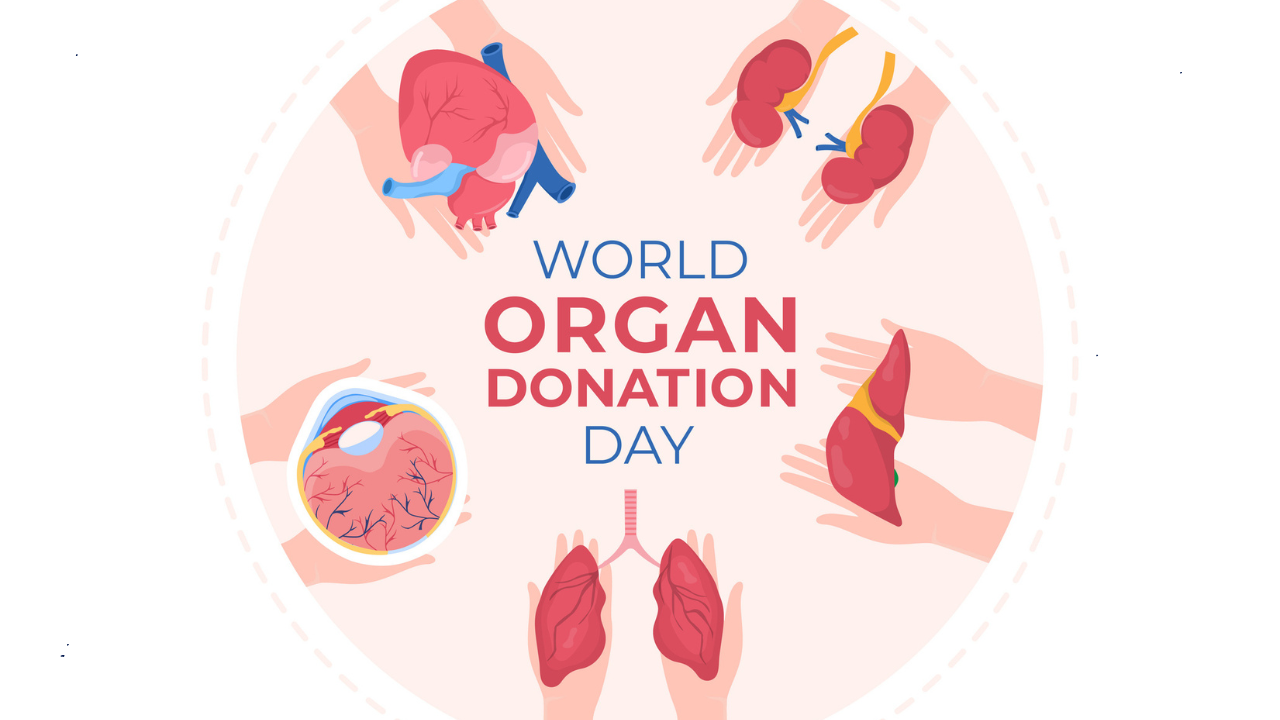
Organ donation is one of the most generous gifts a person can give. Age, diabetes, hypertension or other medical conditions do not automatically rule out organ donation, doctors said on World Organ Donation Day.Observed on August 13 every year, World Organ Donation Day aims to raise awareness about the need for organ and tissue donation and honour donors and their families.Organ Donation After Brain DeathDr. Umesh Gupta, Director and HOD, Nephrology and Kidney Transplant, Aakash Healthcare Multi-Speciality Hospital, Dwarka, told HealthandMe that organ donation can be considered when brain function is permanently lost and cannot be restored.Brain death occurs when all functions of the brain and brainstem have permanently stopped.“Brain death is different from a coma or a prolonged unconscious state. In brain death, the person cannot regain consciousness or breathe independently. Mechanical support may continue to keep the heart beating and preserve the condition of organs for a limited period, which is why organ donation can be considered,” he said.Depending on the donor’s medical condition, organs such as the heart, liver, kidneys, lungs and pancreas may be suitable for transplantation.Who Can Donate Organs?Age alone does not rule out organ donation. Eligibility is assessed individually by the transplant team.Doctors evaluate:Health and functioning of individual organsExisting illnessesInfectionsMedical historyOther factors that could affect transplant safety"The most important message is: do not decide for yourself that you are “too old” or “too unwell” to donate. Leave that decision to the transplant team," Dr. Saurabh Anand, Chief - Neuroanaesthesia and Neurocritical Care, Artemis Hospitals, told HealthandMe.Can People With Diabetes or Hypertension Donate?People with well-controlled diabetes or hypertension may still be eligible to donate certain organs or tissues, said Dr. Shailesh Chandra Sahay, Senior Director - Urology, Kidney Transplant, Robotic Surgery, Max Super Speciality Hospital, Patparganj.Modern transplantation practices allow doctors to assess each organ individually rather than excluding a donor solely because of age or a particular diagnosis. Every potential donor deserves a medical evaluation. An organ that may appear unsuitable to a person could ultimately give another patient a second chance at life.Blood Group Is Important — But Not the Only FactorBlood group compatibility is an important consideration in organ transplantation.“A blood group O donor typically donates to O recipients, while AB recipients can receive organs from all ABO blood groups in many transplant settings,” Dr. Saurabh said.However, compatibility involves more than blood type. Doctors also assess:Tissue compatibilityAntibodiesOrgan sizeRecipient’s overall healthWorld Organ Donation Day 2026: Why Donation MattersOne deceased donor can potentially save up to eight lives through vital organ donation.Tissue donation can improve the lives of many more people.A record 173,727 solid-organ transplants were performed worldwide in 2024, but demand continues to exceed supply.India performed 20,019 organ transplants in 2025, nearly four times the number in 2013.As of March 3, 2026, 89,839 patients were on India’s national waiting list for major organs.Only around 18% of transplants currently involve deceased-donor organs.More than 4.8 lakh Indians have pledged to donate organs and tissues after death since September 2023.