
- Health Conditions A-Z
- Health & Wellness
- Nutrition
- Fitness
- Health News
- Ayurveda
- Videos
- Medicine A-Z
- Parenting
Doctors Answer The Most Googled Rabies-Related Questions For You
Credits: Canva
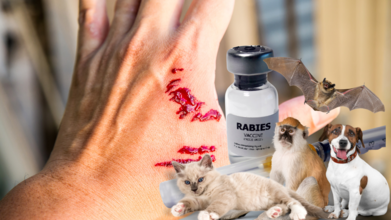
Rabies is one of the oldest and deadliest viral diseases known to humankind. Despite being 100% preventable, it still kills nearly 59,000 people worldwide each year, with India accounting for almost one-third of these deaths, according to the World Health Organization (WHO). The virus is carried in the saliva of infected animals and spreads through bites, scratches, or even licks on broken skin. Once clinical symptoms appear, rabies is almost always fatal, making timely prevention the only real protection.
On World Rabies Day, which falls on September 28, doctors remind us of the importance of awareness, timely treatment, and complete vaccination in preventing rabies-related deaths.
Where Should the Vaccine Be Given?
Rabies vaccines can be injected in different body sites depending on age and type of vaccine. Dr. Pooja Pillai, Consultant, Internal Medicine, Aster CMI Hospital, explains:
“Modern rabies vaccines are usually given as an intramuscular injection in the deltoid muscle of the upper arm because it has good blood supply and allows the vaccine to work effectively. In children, the thigh is preferred as their arm muscle may be too small. Earlier practices of using the buttocks are now avoided since fat in that area reduces vaccine effectiveness.”
Dr. Ravi N. Sangapur, Consultant Physician and Diabetologist, also emphasizes: “In adults, the best site is the arm because it produces better immunogenicity.”
Why Do People Still Die Even After Getting the Vaccine?
Reports of rabies deaths despite vaccination often point to lapses in treatment. “One major reason is improper wound care,” notes Dr. Pillai. Thorough washing with soap and water for at least 15 minutes is the very first step after a bite or scratch. Missing vaccine doses, wrong injection site, or use of poor-quality vaccines can also fail to protect.
Dr. Sangapur adds: “Failure to administer immunoglobulins in Category III cases or issues in immunocompromised patients can lead to inadequate immune response and death.”
How Many Doses Are Needed?
The vaccination schedule differs depending on exposure.
Post-exposure prophylaxis (PEP): For those never vaccinated, WHO recommends five doses on Day 0 (the day of the bite), Day 3, Day 7, Day 14, and Day 28. In severe bites, rabies immunoglobulin (RIG) should also be given on Day 0 around the wound.
Pre-exposure prophylaxis (PrEP): For veterinarians, animal handlers, or those at high risk, two doses on Day 0 and Day 7, with a booster on Day 21 or 28, are given to build long-term protection.
“Following the correct schedule is very important to ensure full protection against rabies,” stresses Dr. Pillai.
How Soon Should the Vaccine Be Taken?
Both doctors agree on urgency. “The vaccine should be taken as soon as possible after exposure,” says Dr. Sangapur. Even if delayed, it may still work, but the sooner it starts, the higher the chances of preventing infection. Dr. Pillai highlights that ideally, the first dose should be given within hours of the bite, along with proper wound washing and antiseptic application.
Do Scratches Carry Risk Too?
A common misconception is that only deep bites are dangerous. In reality, scratches also carry risk if the skin is broken.
“Rabies virus is present in the saliva of infected animals, and their nails may carry it from grooming,” explains Dr. Pillai. “Even minor scratches or licks on broken skin can transmit rabies. They must never be ignored.”
Dr. Sangapur agrees: “Such cases should also take the vaccine.”
Is It Just About Dogs?
While dogs remain the most common carriers, other animals can transmit the virus too. Cats, monkeys, mongoose, foxes, jackals, wolves, and in some countries, bats, have all been documented as carriers.
“Any bite or scratch from a mammal should be taken seriously,” says Dr. Pillai. “Thinking only dog bites are dangerous is risky.”
What If You Get Bitten Again After Vaccination?
If a person is re-exposed within three months of completing the vaccine schedule, Dr. Sangapur explains that revaccination is not needed, only proper wound care suffices. However, if exposure happens after three months, two additional booster doses on Day 0 and Day 7 are recommended.Doctors Answer The Most Googled Rabies-Related Questions For You
Dr. Pillai adds that the body develops immune memory after a full vaccination course, providing long-lasting protection, but boosters strengthen the response during re-exposure.
A Preventable Tragedy
Rabies continues to claim lives despite the availability of effective vaccines and treatment. Every bite or scratch from a potentially infected animal must be treated as an emergency. Washing the wound, seeking medical help immediately, and completing the prescribed vaccine schedule can save lives.
Scromiting: Unusual Symptom Caused By A Deadly Cannabin Condition; All You Need To Know
Credits: iStock
Scromiting is taking up the space in headlines now. Before 2025 comes to an end, this single symptom caused by a deadly cannabis condition has got everyone talking about it.
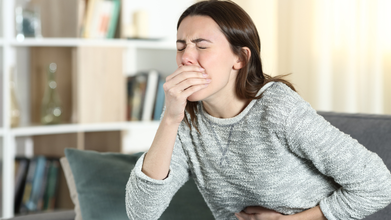
The deadly cannabis hyperemesis syndrome (CHS), is now formally designated by the World Health Organization (WHO), and the unique and unusual symptom is scromiting: a mix of screaming and vomiting. Thanks to social media, this word is making a buzz and have distorted what people should actually know about the condition.
The WHO has formally named CHS in October, which was after a decision adopted by the Centers for Disease Control and Prevention (CDC) that will help doctors track the prevalence of the condition and get a better picture of adverse events.
Scromiting and CHS: How Did It Make A Big News?
The conversation reignited after a study published in the Journal of the American Medical Association in late November reported that CHS cases remain elevated. The study noted that cyclic vomiting is a related symptom and confirmed that emergency department visits tied to CHS saw a notable rise between 2016 and 2022, particularly in 2020 and 2021. During those two years, researchers identified 188 million emergency department visits among adults aged 18 to 35, with CHS appearing more frequently among heavy cannabis users.
The Origin Of CHS
CHS was first identified in Australia in 2004, yet nearly two decades later it remains poorly understood. It typically affects people who use marijuana daily or near daily for more than a year, leading to episodes of severe nausea, repeated vomiting, abdominal pain and a compulsive desire to take extremely hot showers or baths. Many patients report that heat temporarily eases their symptoms, although doctors say the relief is often short-lived.
What Are The Doctors Saying?
Dr Sam Wang, a pediatric emergency medicine specialist and toxicologist at Children’s Hospital Colorado, described treating patients who arrive exhausted and doubled over in pain after hours of vomiting, as reported by CNN. Many tell doctors they tried taking a scalding hot shower before coming to the hospital but found it offered little relief. The National Institutes of Health has said this hot water reliance appears to be a learned behavior that can become a compulsion.
Despite the surge in awareness, the term “scromiting,” a blend of screaming and vomiting, has sparked its own controversy. Some social media users argue the sudden buzz is exaggerated or anti-cannabis fearmongering. Others say the phenomenon has been known for years. Natashia Swalve, a neuroscience professor at Grand Valley State University, told Axios that “scromiting” is not a clinical term, just a catchy label that gains traction every few years. She warned that sensational language fuels confusion at a time when misinformation about CHS is already widespread.
Health experts say CHS episodes can last for days and recovery may take weeks or even months, depending on overall health, eating habits and whether the person stops using marijuana. Continuing to use cannabis can quickly trigger symptoms again. A study from George Washington University found that nearly half of surveyed patients had been hospitalized at least once because of CHS, and many reported using marijuana more than five times a day before symptoms began. Starting cannabis at an early age was linked to a higher likelihood of developing the condition.
The renewed scrutiny of CHS comes as the United States faces rising infections from norovirus, sometimes called “winter vomiting disease,” another illness known for causing sudden, intense vomiting. While unrelated, the overlapping symptoms have added to public confusion around what exactly is driving widespread reports of stomach distress.
Researchers emphasize that CHS is real, although many questions remain unanswered, including why hot showers feel soothing and how much cannabis use puts someone at risk. They say more clinical awareness is urgently needed. Better screening for cannabis use and recognizing symptom patterns could help reduce misdiagnosis and guide patients toward the only proven treatment: stopping marijuana use.
Why Women Love To Take Very Hot Shower, According To Doctor

Credits: iStock
For years, people have joked about how women seem to enjoy showers that could probably cook noodles. If you are someone who loves cranking up the water temperature until the bathroom looks like a steam room, you may have wondered whether there is an actual reason behind it. According to UK surgeon and content creator Dr Karan Rajan, the answer lies in biology. Women are not simply choosing scalding showers for fun. Their bodies are wired differently, and that affects how they experience temperature.
Higher Core Body Temperature
Dr Rajan explains that, on average, women have a slightly higher core body temperature than men. It might sound like this would keep them warmer, but in reality, it does the opposite. When the core is warm but the surrounding environment is cool, that contrast makes cold air feel even colder. So a mildly chilly room may feel more uncomfortable for women, leading them to turn to hotter showers to compensate.
This idea has gone viral online. In a popular TikTok clip, creator couple Micah and Sarah joked about preparing for a shared shower. Micah pretended to train for the extreme heat by dipping his hand in boiling water. The internet quickly chimed in with comments like “My husband says I am training for hell” and “He calls it lobster time”. The jokes were relatable because many couples experience this temperature divide, but not many knew the science behind it until now.
Hormones Add to the Chill
Hormones play a major role too. Estrogen affects blood flow to the extremities, which includes hands, feet and even earlobes. Research shows that women’s extremities can be up to three degrees colder than men’s. Dr Rajan points out that this becomes more noticeable during ovulation when estrogen levels peak. Women on hormonal birth control may also experience increased sensitivity because estrogen stays higher for longer periods.
So even when the core stays warm, the toes and fingers may feel unusually cold. A very warm shower becomes a quick and comforting fix for this temperature imbalance.
Lower Metabolic Rates
Another biological factor is metabolic rate. Women generally have a lower resting metabolic rate than men, meaning they produce less body heat throughout the day. This naturally makes them feel colder and more drawn to hotter water while bathing. Women also tend to have more body fat and less muscle mass, which influences how the body responds to temperature changes.
What Doctors Say
Australian GP Dr Jasmina Dedic Hagan supports these findings, as reported in Body and Soul. She explains that women typically have warmer cores, cooler skin, and a higher layer of insulating fat around the body. On top of that, they have reduced circulation in the extremities because the body prioritises keeping reproductive organs warm. With less muscle mass, the body’s heat-producing brown fat does not function in quite the same way as it does in men.
So Is It Just Preference?
Not entirely. While some women truly enjoy the sensation of a very hot shower, much of it is tied to biology. From hormones to metabolism to circulation, several factors work together to make warmer showers feel soothing and sometimes even necessary. So the next time someone teases you about loving lava-level water, you can tell them it is simply science at work.
Should I Take A Shower When I'm Sick?

Credits: iStock
When you are burning up, even a simple shower can feel confusing. Should you cool your body quickly with cold water or soothe your aches with something warm? Fever is a natural defense mechanism, but the symptoms it brings can make you feel miserable. The right water temperature can help ease discomfort and support your recovery.
Below is a simple breakdown of how fever affects your body, followed by practical shower tips and additional ways to safely bring your temperature down.
How Fever Resets Your Body’s Thermostat
During an infection, your immune system releases chemicals called pyrogens. These signals tell the hypothalamus, which is your internal thermostat, to raise your core temperature. The added heat slows the growth of certain viruses and bacteria and helps immune cells work more efficiently.
This temperature rise is why you feel:
- Chills as your body works to reach the new set point
- Sweating when the fever begins to settle
- Faster heart rate and quicker breathing, which increase fluid loss
Knowing this matters because water that is too cold can trigger intense shivering, which drives your temperature higher. Water that is too hot can widen your blood vessels and increase sweating, which may worsen dehydration.
Cold, Lukewarm, or Hot: Which Shower Helps Most?
Each water temperature works differently with a fever. Understanding these differences helps you choose what your body needs at that moment.
Cold showers cool your skin quickly. They may feel refreshing if you are overheated, but they often trigger shivering. That shivering can raise your core temperature and is especially risky in children.
Lukewarm or tepid showers are the safest choice for most people with fever. This temperature allows gentle heat loss through the skin without causing shivering. It helps you cool down gradually while keeping your body comfortable.
Warm or hot showers can help relieve muscle aches or sinus congestion, especially for adults. However, they can increase sweating and may slightly raise your temperature. Avoid them if you are already overheated or dehydrated.
Simple Shower Tips When You Have a Fever
- Start with lukewarm water to safely reduce temperature and ease discomfort.
- If you feel flushed and sweaty, splash cold water only on pulse points such as the wrists and neck.
- Use warm showers only for congestion relief and follow up with hydration and light clothing.
- If you feel dizzy, sit on a chair outside the shower and let steam fill the bathroom while you take a gentle sponge bath.
Other Safe Ways to Bring Down a Fever
Rest
Your body is already working hard to fight the infection. Light activity can raise your temperature further, so give yourself time to rest and recover.
Stay Hydrated
Fever increases the risk of dehydration, especially if you have vomiting or a poor appetite. Sip water, oral rehydration solutions, or electrolyte drinks. Chilled fluids can also help lower your temperature.
Stay Cool
Keep your room slightly cool and wear loose, breathable clothing. If you have chills, use a light blanket but avoid overheating. You can place a cool cloth on your forehead or under the arms for short intervals.
Medication
Over the counter fever reducers like acetaminophen and ibuprofen can safely lower fever. Always follow dosage guidelines. Avoid aspirin in children because it can lead to Reye's syndrome.
What Not to Do
- Do not take cold showers or ice baths because they trigger shivering and can raise your temperature.
- Avoid alcohol rubs since the alcohol can be absorbed through the skin.
- Do not take extra doses of fever medicine thinking it will work faster.
- Always read medication labels carefully to avoid accidental overdosing.
- Follow Us :


© 2024 Bennett, Coleman & Company Limited