
- Health Conditions A-Z
- Health & Wellness
- Nutrition
- Fitness
- Health News
- Ayurveda
- Videos
- Medicine A-Z
- Parenting
Your Eyelids Can Predict A Future Heart Attack, Experts Reveal

Credit: Canva
Been noticing yellow deposits on your or your loved ones' eyelids? It may be a sign of a future heart attack, experts warn.
Xanthelasma is a harmless, yellow growth that appears on or around the corners of your eyelids next to the nose. These lesions are often painless and can vary in size, sometimes merging to form larger patches.
But while xanthelasma itself is not a disease, its development can signal elevated cholesterol levels and an increased risk of cardiovascular diseases such as coronary artery disease and atherosclerosis, which can lead to a heart attack in the future.
According to Dr Sudhir Kumar, a neurologist associated with Apollo Hospital in Hyderabad, xanthelasma patches can appear even when blood tests show normal cholesterol levels and should prompt 'a proper lipid evaluation, not just a cosmetic procedure'.
In an X post, he noted: "These yellow patches on the eyelids are NOT just cosmetic. They are called xanthelasma and they can be your skin’s clue to hidden heart risk. These are:
1. Often linked to abnormal lipids
2. Can be present even when LDL cholesterol is normal
3. Strongly associated with atherosclerosis & heart disease"
READ MORE: Heart Cells Can Regrow After A Cardiac Arrest, Scientists Say
Heart attacks occur when blood flow to the heart is severely reduced or blocked due to a buildup of plaque which is made of fat, cholesterol and other substances in the heart's arteries.
During a heart attack, a lack of blood flow causes the cells and tissue in the heart muscle to die, leading to irreversible damage that can result in serious complications like arrhythmias, heart failure, cardiogenic shock, or cardiac arrest
It is one of the leading causes of death in the country. Four Indians experience a heart attack every minute, with one in four dying of the cause. Experts have also noticed a rising trend of nearly 50 percent of heart attack patients being under the age of 40, with half of all heart attacks in Indian men occurring under 50.
Who Is At The Highest Risk For Xanthelasma?
You can develop xanthelasma on either eyelid between the ages of 20 and 70 but most people get it between the ages of 35 and 55. Women and those who have a history of:- Being Overweight.
- A tobacco product habit.
- High cholesterol.
- Diabetes.
- High blood pressure.
- Family history of high cholesterol or xanthelasma are also at the highest risk of developing yellow plaques.
Can Xanthelasma Be A Sign Of Other Diseases?
Yes, these yellow patches can also signal diabetes since both involve lipid (fat) metabolism disturbances, with high blood sugar and cholesterol often occurring together.Additionally, it can also indicate thyroid issues such as hypothyroidism. Xanthelasma and hypothyroidism are linked as both thyroid dysfunction and high cholesterol/lipid levels, often seen with hypothyroidism, can cause the eyelid plaques.
Coronary Artery Disease: The Silent Killer
Coronary artery disease (CAD) is one of the most common illnesses that can cause a heart attack in people. It develops over the years and has no clear signs and symptoms apart from a heart attack.
The illness begins due to a buildup of fats, cholesterol and other substances known as plaque in and on the artery walls.
Over time, this can cause narrowing or blockage of the coronary arteries and block the supply of oxygen-rich blood to heart which can lead to chest pain (angina), shortness of breath and ultimately, heart attacks.
Typically, those above the age of 45, having a biological family member with heart disease, lack of sleep, smoking, consuming saturated fats along with other autoimmune diseases such as lupus and rheumatoid arthritis, can increase the risk of developing CAD.
Nearly one in 10 Indian adults suffer from CAD and about two million people die from the disease annually. Apart from this, about 18 to 20 million American adults aged 20 and older are also affected about the disease.
What Science Says About Leucovorin - The Drug White House Touted For Autism

Credits: Canva and iStock
The US Food and Drug Administration approved leucovorin for cerebral folate deficiency in the receptor 1 gene, a rare genetic condition. However, last year, in September, this drug was noted as the possible and potential treatment for children with autism. The Trump administration noted that Tylenol may be triggering autism in children when is consumed by pregnant mothers. The same conference touted this drug as a potential treatment, while not enough scientific evidence was there to support the claim. Yet, many parents looked for the prescription to support their children.
Health and Me also reported a story of a mother who looked for the drug for her three-year-old son. Another case of four-year-old Jose Morales-Ortiz, who struggled to speak even two-word sentences. As per a CNN report, he was diagnosed with severe autism and rarely responded when someone called his name.
However, something changed, in early summers, he began telling his guardian Keith Joyce about the conversation with his classmates and answering follow-up questions. For Keith, it was a moment of joy. It was also the first time Keith had a conversation with him.
Joyce believes the change began after Jose started taking leucovorin, a medication originally approved to reduce the side effects of certain chemotherapy drugs. Now, researchers are investigating whether the drug may help some children with autism—particularly those with a condition known as cerebral folate deficiency.
However, scientists caution that while early studies are promising, the evidence is still limited and the treatment remains controversial.
What Is Leucovorin?
Leucovorin, also known as folinic acid, is a biologically active form of vitamin B9 or folate. Unlike standard folic acid supplements, it does not require the body to convert it into an active form before it can be used. Due to this very feature, it can bypass certain metabolic steps and deliver folate more directly to the cells.
It is a high-dose B vitamin, which is commonly used as a treatment to counteract the side effects of chemotherapy. It has been approved by the FDA for cerebral folate deficiency in the receptor 1 gene. The disease is rare and fewer than 50 cases have been identified worldwide. FDA Commissioner Dr Marty Makary called this approval "a significant milestone" for patients with the condition.
Doctors have used the drug for several purposes, which also include:
- Reducing toxic side effects of chemotherapy
- Enhancing the effectiveness of certain cancer treatments
- Treating folate deficiency caused by medications or disease
Recently, scientists began exploring whether leucovorin could also help certain neurological conditions.
Read: Leucovorin Approved By FDA But For A Rare Genetic Disease, Not For Autism
What Role Does Folate Play In Brain Development?
Folate is essential for brain development and neural function.
It helps in:
- DNA synthesis and repair
- Formation of neurotransmitters
- Development of neural connections
- Cell growth in the developing brain
During pregnancy, folate is so critical that many countries fortify foods with folic acid to prevent birth defects such as neural tube defects.
However, in some children, the issue may not be a lack of folate in the diet—but a problem with how folate reaches the brain.
What Happens In Cerebral Folate Deficiency?
In 2005, researchers discovered an unusual phenomenon in some children with developmental disorders.
Although their blood folate levels were normal, their brain folate levels were extremely low.
The reason appeared to be autoantibodies—immune proteins that mistakenly attack the body’s own tissues. In this case, the antibodies targeted folate receptor alpha, the protein responsible for transporting folate across the blood-brain barrier.
When these receptors are blocked:
- Folate cannot enter the brain efficiently
- Neural development may be affected
- Symptoms similar to autism may appear
This condition is called cerebral folate deficiency.
Researchers also developed a diagnostic blood test called the Folate Receptor Autoantibody Test (FRAT) to detect these antibodies.
How Does Leucovorin Work?
It could work in such a case because it is able to bypass the blocked folate receptors. It does not rely on the usual transport system and is able to enter the brain through alternative transport pathways, which allow neurons to access the folate they need. Scientists also believe that this could improve neurotransmitter production, support neural communication, and enhance brain metabolism in certain children.
Some clinical studies have suggested that leucovorin may improve language and communication skills in certain children with autism.
In small trials:
- Some children showed improvements in expressive speech
- Others improved in receptive language and social communication
- Benefits appeared strongest in children with folate receptor antibodies
However, the results have been mixed.
Some studies have found only modest improvements, and large placebo-controlled trials—considered the gold standard in medical research—are still lacking.
Because autism is a complex spectrum condition with many biological pathways involved, researchers emphasize that no single medication is likely to work for every child.
The growing interest in leucovorin reflects a broader shift in autism research: looking for biological subtypes of the condition that might respond to targeted treatments.
If cerebral folate deficiency proves to be one of those subtypes, leucovorin could become an important therapy for a specific group of children.
But scientists emphasize that autism is highly complex. “There’s no autism pill,” many researchers say.
Unique Symptoms Of HMPV - The Virus Without A Vaccine
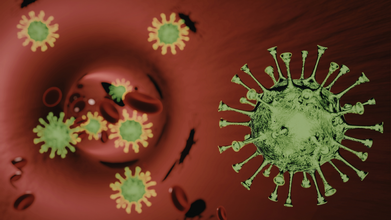
Credits: Canva
California made it news for a disease that has no vaccination. This is the human metapneumovirus or the HMPV. While some of the symptoms of this virus are similar to that of any common cold or influenza like cough, fever, nasal congestion or shortness of breath, there are several symptoms that are unique to the disease.
Unique Symptoms Of HMPV - The Virus Without Vaccine
Unlike mild common colds, HMPV often presents with a high-grade fever, particularly in children. Some of the other symptoms also include persistent coughing, including dry or productive and may persist for a long duration.
Furthermore, it could cause wheezing, difficulty in breathing, which could also lead to severe lower respiratory tract illness like bronchiolitis or pneumonia. In children and older adults, it could also cause severe or often fatal bronchiolitis or rapid-onset pneumonia.
In infants, it could also exhibit irritability, poor feeding, or dehydration.
Other symptoms, which could resemble common cold like symptoms are:
- cough
- fever
- sore throat
- runny or stuffy nose
- body ache
- headache
What Is Happening In California?
As per the public database WasterwaterScan Dashboard, high levels of HMPV were detected across Northern California cities. The highest levels were reported in Redwood City, whereas elevated levels were found in San Francisco Bay Area and Napa's Wine Country. What's more dangerous is that this virus is without a vaccine.
The good news is that in other parts of country HMPV remains lower. However, the Centers for Disease Control and Prevention (CDC) noted that data from October 2025 shows the cases are trending up, especially during winter and spring.
Read: Virus Without Vaccine Hits California; No Need To Worry, Say Public Health Officials
Dr. Matthew Binnicker, director of the Clinical Virology Laboratory at Mayo Clinic, as reported by The Independent said, "In the late winter, early spring, it can account for five percent to 10 percent of all the respiratory infections that we diagnose in the United States. So it's definitely out there." Experts explain that other viruses like HMPV or influenza get a chance when COVID is quieter.
What Is HMPV - The Virus Without Vaccine?
HMPV was first discovered in 2001 and is part of the Pneumoviridae family along with the Respiratory syncytial virus (RSV).
HMPV most likely spreads from an infected person to others through:
- the air by coughing and sneezing
- close personal contact, such as touching or shaking hands
- touching objects or surfaces that have the viruses on them, then touching the mouth, nose, or eyes
In the US, HMPV circulates in predictable patterns each year, typically beginning in winter and lasting through spring.
Who Are At Risk Of HMPV?
People at risk include:
- elderly people
- children
- people with comorbidities
"The HMPV is not deadly, and there is no evidence of mortality or a severe transmission rate," former Indian Council of Medical Research (ICMR) scientist, Dr. Raman Gangakhedkar, told IANS, during the virus's outbreak in India in 2025.
“The virus may cause pneumonitis-like illness, but the mortality rates are almost unknown so far. HMPV has a global prevalence of about 4 per cent,” he added.
US Heart Surgeon Reveals The Worst Habit That Damages The Entire Body

(Credit Canva/Drjeremylondon)
Smoking has been long recognized as one of the worst habits a person can have, and Dr Jeremy London agrees with this statement. Dr. London, a cardiovascular surgeon, in a recent interview with Mel Robbins revealed that his number one advice as a heart doctor is to avoid smoking.
“I cannot come up with one single thing that does as much damage to every organ in the body as smoking cigarettes. And look, it's incredibly addictive and I know that and I pass no judgment because I know how difficult it is.”
He explained that in his practice he has dealt with chronic smokers for years and still believed that it is the single most dangerous thing one can do to themselves.
Also Read: Why Is It Harder For Women To Quit Smoking?
How Does Smoking Affect Other Organs?
Emphasizing how this one habit affects all organs in our body, Dr London mentioned the well-known link between lung cancer and smoking.
However, there are many more chronic diseases associated with the rest of the body that can develop due to smoking apart from lung conditions, according to the American Lung Association.
Here is what you should keep an eye out for:
Heart Disease
Smoking damages your heart and narrows your arteries, restricting vital oxygen flow. While heart disease rates dropped as smoking decreased, it remains a top killer. Stopping tobacco use helps clear your blood vessels and protects your body’s most important organ.Also Read: 3 Science-Backed Methods To Quit Smoking For Good
Asthma
Asthma makes moving air in and out of your lungs a constant struggle. Cigarette smoke irritates these airways, triggering sudden and dangerous attacks. For the millions of people living with asthma, smoking makes the condition much harder to manage daily.Reproductive Health
For women, smoking reduces fertility and makes it much harder to get pregnant. It also increases the risk of life-threatening ectopic pregnancies. Protecting your reproductive health starts with avoiding tobacco to ensure a safer environment for a potential future pregnancy.Vision Loss
Smoking can actually lead to permanent blindness by damaging the internal structures of your eyes. It is the primary cause of age-related macular degeneration in older adults. Quitting helps preserve your sight and prevents cataracts from forming as you age.Lung Cancer
Smoking is the leading cause of lung cancer, accounting for nearly 90 percent of all cases. Although medical treatments have improved, the five-year survival rate remains low. Quitting is the most effective way to lower your risk of this deadly disease.
Chronic Obstructive Pulmonary Disease
Chronic Obstructive Pulmonary Disease (COPD) is a severe lung condition that makes breathing difficult and exhausting. It often starts with mild shortness of breath but can eventually leave people housebound. Smoking causes up to 90 percent of cases, significantly limiting your physical activity and independence.Other Cancers
Apart from lung, smoking also causes at least twelve different types of cancer, including liver, stomach and colon cancer. For survivors, continuing to smoke greatly increases the chance of a second cancer developing. Avoiding tobacco is the best way to improve overall survival rates.- Follow Us :


© 2024 Bennett, Coleman & Company Limited