
- Health Conditions A-Z
- Health & Wellness
- Nutrition
- Fitness
- Health News
- Ayurveda
- Videos
- Medicine A-Z
- Parenting
Can You Train Yourself To Eat Less For Your Metabolism? Neurologist Shares 10 Lifestyle Changes That Can Help

(Credit-Canva)
When it comes to eating, it is very easy to overdo it and cause problems for your health. Eating too much food is not just about gaining weight, but it can cause lot of issues for your metabolism as well as cause harmful reactions. According to the MD Anderson Cancer Center, overeating can cause a reaction known as heartburn, where the acid that breaks down your food gets pushed up towards your esophagus. Other problems that may arise could be bloating, organ strain, abdominal discomfort, etc.
All of these issues could be avoided if one controls one's eating habits. However, can you change the way you eat and train your body to avoid overeating? According to Dr Sudhir Kumar, Hyderabad-based neurologist, you can.
10 Habits That Can Help You Avoid Overeating
In a recent post on social media platform X, Dr Sudhir listed 10 ways one can teach one's body to avoid overeating and protecting their metabolism.
Tweak Your Eating Space
You can trick your brain into eating less by changing your environment. Try using smaller plates and bowls—it makes smaller portions look more satisfying. Keep food out of sight; if you don't see it, you won't think about snacking impulsively. Also, keep serving dishes in the kitchen, not on the dinner table, to make it harder to grab second helpings.
Slow Down How You Eat
Give your brain time to catch up with your stomach. Eat slowly and chew your food well. Make a point of putting your fork or spoon down between bites. It takes your brain about 15 to 20 minutes to register that you're full, so slowing down gives this "fullness signal" time to register, helping you eat less overall.
Handle Social Eating Smartly
When you're eating with friends or family, you tend to eat more because meals last longer. To manage this, serve yourself a fixed portion before you sit down. Then, focus on the conversation instead of reaching for more food. If you stay at the table for a long time, sip on water instead of continuing to eat.
Build Your Meal Strategically
Eat your food in a specific order to help manage your blood sugar and keep you feeling full longer. Start with vegetables or salad, then move to protein, and finish with carbohydrates. This order prevents rapid sugar spikes and avoids the quick hunger that comes after eating simple carbs like bread or sweets first.
Prioritize Filling Foods
Make sure every meal includes a source of protein like eggs, pulses, yogurt, or fish, and fibre from vegetables, whole grains, and fruits. Both protein and fibre are excellent at increasing the feeling of fullness, which naturally cuts down your total calorie intake. Try to limit high-calorie, non-filling items like refined carbs and processed snacks.
Don't Ignore Sleep and Stress
Poor sleep and high stress directly affect your hunger. Aim for 7–8 hours of sleep nightly, because lack of sleep increases the hormone that makes you hungry, called ghrelin, and lowers the hormone that tells you that you're full which is called leptin. Manage stress with things like walking, deep breathing, or meditation. Chronic stress often leads to emotional eating and intense cravings.
Move Your Body More
Moving doesn't just mean a full workout. Take a short walk (10–15 minutes) after meals; this is a great way to stabilize your blood sugar and help digestion. Avoid sitting still for hours; taking short standing breaks and small movements throughout the day actually improves how your body uses insulin.
Use Water to Your Advantage
Drinking water can subtly help you eat less. Drink a glass of water before meals; this can modestly reduce how much food you eat. Always avoid sugary drinks and juices, as they add lots of calories without making you feel full.
Focus Only on Eating
Sit down and eat without screens, no TV, phone, or laptop. This helps you pay attention to your body's signals of hunger and fullness. Before and after you eat, quickly rate your hunger on a scale where 1 is starving, and 10 is painfully full. Aim to stop when you feel comfortably satisfied which is around a 7.
Plan Your Portions
Don't eat snacks straight out of a large bag; pre-portion them into small containers. Use smaller utensils, like a teaspoon for desserts, to naturally slow down your eating speed. Finally, don't skip meals! Getting extremely hungry almost always causes you to overeat later in the day.
Erythritol Sweetener Could Be Linked To Stroke Risk, Finds Study

Credits: Canva
Erythritol sweetener, commonly found in most of the food we consume, whether it is a protein bar or energy drink could be linked to stroke risk. While it is considered as a safer alternative to sugar as a natural sweetener, a study from the University of Colorado suggests it could damage cells in the blood-brain barrier.
The blood-brain barrier is brain's security system that keeps the harmful substance off the limits, while letting in nutrients. Research also suggests that it would lead to serious consequences for heart health and stroke risk.
Erythritol Sweetener Risk: What Did The Study Find?
In the latest study, researchers exposed cells that form the blood–brain barrier to erythritol levels typically seen after consuming a soft drink sweetened with the compound. What followed was a cascade of cellular damage that could leave the brain more vulnerable to blood clots, one of the leading causes of stroke.
The researchers found that erythritol triggered intense oxidative stress, overwhelming cells with unstable molecules known as free radicals. At the same time, it weakened the body’s natural antioxidant defences. This double hit impaired normal cell function and, in some cases, led to cell death.
Damage to blood–brain barrier cells is particularly concerning because this barrier plays a crucial role in protecting the brain from harmful substances circulating in the bloodstream. When its integrity is compromised, the risk of neurological injury rises sharply.
Erythritol Sweetener Risk: How It Disrupts Blood Flow Control
Even more troubling was erythritol’s effect on how blood vessels regulate blood flow. Healthy blood vessels constantly adjust their width—expanding when organs need more oxygen and nutrients, and narrowing when demand is lower.
This process depends on a delicate balance between two molecules: nitric oxide, which relaxes blood vessels, and endothelin-1, which causes them to constrict. The study found that erythritol disrupted this balance by reducing nitric oxide production while increasing endothelin-1 levels.
The result is blood vessels that stay constricted longer than they should, potentially restricting blood flow to the brain. This kind of dysfunction is a known warning sign for ischaemic stroke, the most common form of stroke caused by blocked blood vessels.
Erythritol Sweetener Risk: How It Interferes With Body's Clot Defense
The most alarming finding in the study was how body's natural protect against blood clot is disturbed. Under normal circumstances, cells release a substance called tissue plasminogen activator, which is described as a natural 'clot buster', which helps dissolve clots before they become dangerous. However, erythritol could interfere with this protective mechanism and allow clots to persist and cause damage.
Several have shown that people with higher blood levels of erythritol face significantly increased risks of cardiovascular events. In one major study, individuals with the highest erythritol levels were nearly twice as likely to suffer a heart attack or stroke.
However, researchers caution that the experiments were conducted on isolated cells rather than full blood vessels. More advanced models that better replicate human physiology will be needed to confirm the findings.
Erythritol occupies a unique space in the sweetener world. Classified as a sugar alcohol rather than an artificial sweetener, it escaped recent World Health Organization guidance discouraging artificial sweeteners for weight control. Its sugar-like taste has also made it a favorite in “keto-friendly” and sugar-free foods.
5 Ultra Processed Foods That Could Be Worse Than You Think, Explains Expert
Credits: Canva
Ultra-processed foods (UPFs) have been dominating nutrition debates in recent months, but experts say not all UPFs deserve equal concern. Some may be far more disruptive to metabolic and heart health than others, depending on ingredients and frequency of consumption.
UPFs are industrially manufactured products that typically contain refined flours, industrial seed oils, added sugars, preservatives, emulsifiers and stabilizers. Several studies have linked high UPF consumption to obesity, metabolic disorders and cardiovascular disease. One recent study even suggested that eliminating UPFs could significantly accelerate weight loss, while others have connected them to a higher risk of chronic illness.
Speaking to Fox News Digital, Eric Berg, a Florida chiropractor and health educator known online as "the Knowledge Doc," highlighted five commonly consumed ultra-processed foods that may warrant extra caution.
Ketchup: Small Amounts, Hidden Sugars
Ketchup may seem harmless, but many commercial varieties contain significant amounts of added sugar, often in the form of corn syrup. Even when consumed in small quantities, frequent use can steadily increase daily sugar intake.
Over time, this added sugar may contribute to excess calories and disrupt metabolic health. Checking ingredient labels and opting for low-sugar or sugar-free alternatives can help reduce this hidden source of sweetness.
Flavored Yogurt: A Health Halo Problem
Yogurt is widely perceived as a health food, but flavored versions can be misleading. Many contain added sugars, artificial sweeteners and stabilizers that outweigh their nutritional benefits.
While yogurt itself can support gut health—especially when fermented with beneficial bacteria—experts stress that the health impact depends heavily on sugar content, ingredients and portion size. Choosing plain yogurt and adding fresh fruit or natural sweeteners at home is often a better option.
Soda Crackers: Refined and Deceptive
Soda crackers are often marketed as a light or “safe” snack, yet they frequently contain refined flours, added sugars and unhealthy oils. These refined ingredients are quickly digested, which may trigger blood sugar spikes, particularly when eaten without fiber or protein.
Healthier alternatives include whole-food-based crackers made from nuts or seeds, which offer more fibre, nutrients and longer-lasting satiety.
Candy Bars: More Than Just Sugar
Candy bars are one of the most obvious examples of ultra-processed foods. They are typically made with refined starches, seed oils and artificial additives while offering little to no nutritional value.
Frequent consumption of such products has been linked by nutrition experts to poorer metabolic health over time. The concern isn’t just sugar, but the combination of unhealthy fats, refined carbohydrates and additives that may collectively strain cardiovascular and metabolic systems.
Ice Cream Cones: The Overlooked Culprit
Interestingly, it’s not the ice cream itself but the factory-made cone that raises red flags. These cones are often ultra-processed, containing refined flours, added sugars, unhealthy oils and artificial ingredients.
When paired with commercial ice cream, the result can be a “double hit” of sugar, unhealthy fats and additives, significantly lowering the overall nutritional quality of the treat.
The Bigger Picture
Experts emphasize that moderation matters, and occasional indulgence isn’t the issue. The real concern lies in habitual consumption of ultra-processed foods that quietly dominate daily diets. Reading labels, prioritising whole foods and being mindful of ingredient lists can go a long way in protecting long-term health.
After 50, Your Body Steals Magnesium From Bones, Says Neuroscientist
Credits: Canva
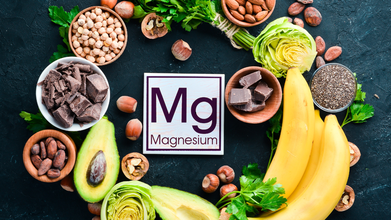
Magnesium has become one of the most talked-about nutrients in the supplement space, especially among people looking to improve sleep, reduce stress, and support brain health. While experts consistently stress that magnesium-rich foods should be the first line of defense, supplements are often recommended when dietary intake falls short, provided they are taken after consulting a doctor.
Magnesium plays a critical role in brain function and overall health. It is involved in more than 300 enzymatic processes in the body, influencing everything from nerve signalling and muscle function to bone strength and sleep regulation. But not all magnesium supplements are the same, and choosing the wrong form could mean wasting money or dealing with unwanted side effects.
In an Instagram video published on February 2, neuroscientist Robert WB Love, who focuses on brain health and Alzheimer’s disease prevention, explained the differences between commonly available forms of magnesium. He also stressed why women above 50, in particular, should take magnesium intake seriously.
Why magnesium matters, especially for women over 50
According to Love, magnesium is essential for maintaining a healthy brain and body. He warned that when the body does not get enough magnesium through food or supplements, it compensates by pulling magnesium from the bones.
“Women over 50, listen up,” he said in the video. “If you don’t eat enough magnesium-rich foods or take a magnesium supplement to get the right amount, your body will literally steal magnesium from your bones to use in vital processes throughout the body.”
This, he explained, is why consistent magnesium intake is not just important for brain health but also for protecting bone strength as women age. Ensuring adequate magnesium through diet and supplementation can help support both cognitive function and skeletal health.
Magnesium citrate: Common but not ideal
Magnesium citrate is one of the most widely available forms, largely because it is inexpensive. However, Love described it as a low-quality option for brain health.
“It’s hard to absorb and can upset your stomach,” he explained, adding that many people experience digestive discomfort after taking it. Because of its poor absorption, magnesium citrate may not deliver meaningful benefits to the brain, making it a less effective choice overall.
Magnesium glycinate: Gentle and effective
Magnesium glycinate, according to the neuroscientist, is one of the better options available. It is well absorbed, gentle on the stomach, and beneficial for the brain and the rest of the body.
He also highlighted its positive impact on sleep and stress levels. Many people report sleeping better when they take magnesium glycinate before bedtime, making it a popular choice for those struggling with restlessness or anxiety.
Magnesium threonate: Best for the brain
Magnesium threonate stands out because of its ability to cross the blood-brain barrier. Love explained that this allows it to directly enter the brain, making it the most potent form for cognitive health.
However, it is more expensive and harder to find than other forms. Despite this, he noted that both magnesium threonate and magnesium glycinate are excellent options for brain support.
Magnesium taurate: The underrated option
Love also pointed to magnesium taurate, a form that does not get much attention. According to him, it is particularly beneficial for heart health.
“What’s good for your heart is good for your brain,” he emphasised, suggesting that magnesium taurate may offer indirect brain benefits by supporting cardiovascular function.
- Follow Us :


© 2024 Bennett, Coleman & Company Limited