
- Health Conditions A-Z
- Health & Wellness
- Nutrition
- Fitness
- Health News
- Ayurveda
- Videos
- Medicine A-Z
- Parenting
Could Omega-3 Fatty Acids Be The Dietary Fix For Your Kids Nearsightedness?

Credits: Canva
If your child spends hours glued to screens, you’ve probably worried about their eyesight. But here’s something surprising, could a nutrient as simple as omega-3 help protect them from nearsightedness? A new study says yes—and the findings might change how parents think about everyday nutrition and eye health.
omega-3 fatty acids have been touted for their potential to promote heart health, reduce inflammation, and even guard the brain. They're what make salmon, walnuts, and chia seeds so well-touted as "superfoods." But scientists are now discovering another intriguing possibility: omega-3s might help guard vision too.
Nearsightedness, or myopia, is on the verge of becoming the most prevalent child health problem in the world. It's no longer out of the ordinary for a kid to receive their first eyeglasses before the age of ten. An estimated nearly half of the world's population may suffer from myopia by the year 2050. Heredity has something to do with it, but so does lifestyle—particularly during an era of digital screens, restricted outside playtime, and an unbalanced diet.
The question researchers are raising is- Does what children eat make a quantifiable difference in the way their eyes grow? Based on new research released in the British Journal of Ophthalmology, the answer may be yes.
The research, conducted by Dr. Jason Yam, a professor of ophthalmology at the Chinese University of Hong Kong, monitored over 1,000 children aged 6 to 8. Researchers monitored their diets via questionnaires and compared them with comprehensive eye examinations. Here's what they discovered:
Youngsters with the lowest intake of omega-3 fatty acids had the longest axial length (from front to back of the eye). A longer axial length is associated with myopia directly.
Children with a greater intake of omega-3 had the shortest axial length, indicating a shield against nearsightedness.
Individuals with greater intake of saturated fats—found in foods such as butter, palm oil, and red meat—had a more pronounced indication of developing myopia.
Simply put, kids who consumed more omega-3s were less likely to exhibit the physical eye changes that cause nearsightedness.
Dr. Yam and his researchers concluded that omega-3s could be "a potential protective dietary factor against myopia development."
What Is Nearsightedness or Myopia?
Nearsightedness results when the form of the eye leads light rays entering the eye to converge ahead of the retina, instead of directly on it. This causes objects in the distance to blur.
The condition usually arises during childhood and stabilizes by adulthood, but its complications can stretch much further than the prescription for glasses. High myopia raises the risk of retinal detachment, glaucoma, and cataracts in later life. Changes in lifestyle in today's world are driving its increase:
- Increased screen time and less exposure to natural light outdoors
- Sedentary lifestyles and less physical activity
- Nutritional deficits that impact bone and eye growth
The new research indicates that omega-3s could directly affect eye growth, perhaps by enhancing blood supply and maintaining a healthy retinal and corneal growth.
How Omega-3s Helps Protect Vision?
Omega-3 fatty acids are essential nutrients that the body is unable to generate by itself and, therefore, need to be obtained from diet. They come in three forms: ALA (alpha-linolenic acid), present in vegetable sources such as walnuts, flaxseeds, chia seeds, and hemp seeds; DHA (docosahexaenoic acid), a brain and retina structural component crucial to health, present mainly in fish, algae, and other sea foods; and EPA (eicosapentaenoic acid), which is present in fish and algae as well, notable for its anti-inflammatory effect.
Of these, DHA is particularly vital to eye function and development. One of the richest tissues in DHA, the retina has been found through human and animal research to have compromised vision from deficiencies in early life. New evidence now indicates that the role of omega-3s is not limited to cardiac and neurological well-being but could also play a protective function in maintaining the vision of children through formative developmental years.
How do Parents Assist in Precluding Myopia in Children?
Across the world, nearsightedness rates are rising at alarming rates. By 2050, almost 5 billion individuals will be myopic. The increase is particularly steep in East Asia, where intense schooling pressures, prolonged near vision work, and diet changes overlap but Western nations are following fast. More screen time for kids, less outdoor time, and processed food diets rich in saturated fats have provided an ideal environment for eye issues.
If left unchecked, myopia's burden will stress health systems and impact quality of life for millions. Prevention measures—such as dietary interventions—are therefore critical.
Other Health Benefits of Omega-3s
This is not the first instance that omega-3s have been associated with eye wellness. Earlier studies have identified that they can lower the risk of:
Age-related macular degeneration (AMD) is a common cause of blindness among older adults
Dry eye disease: Omega-3s may enhance tear quality and alleviate inflammation
- In addition to eye care, omega-3s are linked with:
- Reduced risk of heart disease
- Enhanced brain function and reduced dementia risk
- Improved mood and alleviated depression symptoms
- Lessened inflammation in the body
Another study published by King's College London has recently discovered that omega-3s may also lower the risk of Alzheimer's in women, further highlighting their wide-ranging protective benefits.
How to Add Omega-3 Rich Foods in Your Diet?
For households wishing to enhance children's omega-3 levels, diet is the key.
Oily fish: Salmon, mackerel, sardines, and tuna are richest in DHA and EPA.
Plant sources: Walnuts, chia seeds, flaxseeds, and hemp seeds contain ALA, which the body can partially convert into DHA and EPA.
Algae-based supplements: A vegetarian option for those following a plant-based diet.
Experts advise that children consume at least two portions of fish every week, although supplements can be beneficial in instances of diet limitations or fussy eating.
Why Balance Is Important in Your Diet?
Although omega-3s seem to be protective, the research also points out what not to excess: saturated fats. Diets rich in processed meats, butter, and palm oil were linked with higher indicators of myopia in children.
Diet is only one part of the equation. Outdoor activity, reduced screen time, and frequent eye exams are all just as crucial in safeguarding children's vision.
The new study doesn't show omega-3s can prevent nearsightedness outright, but it provides strong evidence that nutrition is involved in eye development. For caregivers and parents, it's another reminder that what kids eat influences not only how they grow up, but how they experience the world literally.
As Dr. Yam's group points out, omega-3s are turning out to be a "potential protective dietary factor against myopia development." Whether in a piece of grilled salmon or a handful of chia seeds, increasing the family diet with more omega-3s may be a practical, easy solution to healthier eyes.
RFK Jr.’s New Food Pyramid vs Old Food Pyramid: Know What All Has Changed In Dietary Guidelines For Americans

Credits: Canva/Politico
The U.S. Department of Agriculture (USDA) rolled out a new set of dietary guidelines on Wednesday, Jan. 7, introducing a food pyramid that looks strikingly different from what most people remember. Emphasizing protein and healthy fats while reducing the role of grains, the updated recommendations represent a clear break from previous federal guidance. The accompanying food pyramid graphic almost completely reverses the old model, both in appearance and in the food groups it promotes.
During a White House briefing, Press Secretary Karoline Leavitt highlighted the changes, saying the announcement aligned with President Donald Trump and Health Secretary Robert F. Kennedy Jr.'s mission to "Make America Healthy Again."
Also Read: New Food Pyramid 2026 Reshapes Dietary Guidelines For Americans Under RFK Jr
If you’re used to the pyramid from the early 2000s, it may take a moment to adjust to the new look. Here are some of the major differences between the old and new food pyramids.
New Food Pyramids 2026: What Does The New Food Pyramid Look Like?
The U.S. had stopped using the pyramid as a guide back in 2011, switching to a plate-style visual for dietary recommendations. Now, under RFK Jr.’s leadership at HHS, the pyramid is back—but flipped. The upside-down triangle now places the foods that should make up most of your diet at the top, while foods to eat sparingly sit at the bottom.
RFK Jr.’s New Food Pyramid vs Old Food Pyramid
It’s not just the graphic that’s changed. The hierarchy of food groups has shifted as well. Grains, once the largest and foundational part of the diet, are now the smallest segment at the bottom. Meanwhile, protein, dairy, healthy fats, fruits, and vegetables dominate the top of the pyramid.
Here’s a detailed look at RFK Jr.’s New Food Pyramid vs Old Food Pyramid and what it means for Americans, based on reporting from USA Today.
1. Focus Shift
Old Food Pyramid: Grains and carbs were the base, while proteins and fats were limited. The focus was on low-fat foods and staples like bread, pasta, and cereal.
RFK Jr.’s New Food Pyramid: Whole foods, protein, and healthy fats take center stage. Red meat, cheese, fruits, and vegetables are placed at the top, and refined grains play a smaller role.
2. Protein and Fats
Old: Saturated fats and animal proteins were discouraged. Fat was often treated as the main dietary enemy.
New: Protein and healthy fats, including saturated fats from meat and dairy, are now seen as essential. Federal nutrition leaders have officially declared an end to the “war on fat.”
3. Processed Foods
Old: Highly processed foods, added sugars, refined carbs, and chemical additives were allowed in moderation.
New: There’s a strong push to reduce ultra-processed foods, added sugars, and refined carbs. The emphasis is now on minimally processed, real foods.
4. Dairy
Old: Low-fat or skim dairy was recommended; full-fat options were generally discouraged.
New: Cheese and other dairy products are now at the top of the pyramid, allowing for full-fat milk in both general diets and school meals.
5. Sugar and Additives
Old: Sugar intake was suggested to be limited, but highly processed foods weren’t heavily flagged.
New: Added sugar is more strictly controlled, and processed foods are clearly marked as foods to minimize.
6. Overall Approach
Old: The diet centered on lowering fat, balancing calories, and relying heavily on plant-based staples such as grains.
New: The focus is on nutrient-rich, protein-heavy meals, healthy fats, whole foods, and cutting down refined carbohydrates. The guidelines aim to address obesity, chronic disease, and overall health.
How Does The New Pyramid Reflect Dietary Trends?
The new food pyramid, unveiled by Health Secretary Robert F. Kennedy Jr., signals a major shift in U.S. nutrition advice, emphasizing more protein and healthy fats while reducing grains. This change mirrors growing trends in American diets, where high-protein eating patterns and skepticism of high-carb, ultra-processed foods are increasingly common, according to USA Today.
Practically, protein and dairy, especially full-fat dairy, now dominate the pyramid, replacing the previous grain-heavy base. Saturated fats are no longer demonized; instead, they are considered healthy in moderation. Federal nutrition leaders have officially ended the “war on fat.” These updates also reflect recent survey findings showing that high-protein diets are a top trend in the U.S., with most Americans actively trying to increase their protein intake.
Supplements, Gummies, Or Whole Foods? Here’s What Experts Recommend
Credits: Canva
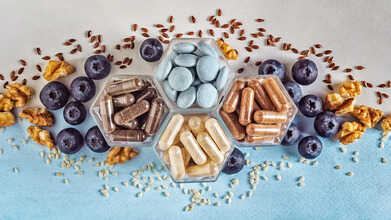
In a world where colourful vitamin gummies line supermarket shelves and powders promise instant wellness, many people are left wondering: should I really rely on supplements, or is eating well enough? Experts say the answer isn’t as simple as choosing one over the other.
Why Natural Foods Come First
Dr. Hari Kishan Boorugu, Consultant Physician and Diabetologist at Yashoda Hospitals, Hyderabad, emphasizes that “whole, natural foods should always come first.” Fruits, vegetables, whole grains, nuts, seeds, fish, yogurt, and healthy oils are packed with vitamins, minerals, fibre, antioxidants, and other plant compounds that work together to support digestion, immunity, heart health, and gut microbiome balance. “Supplements can’t fully replicate the synergy of nutrients found in real foods,” he adds.
Supplements, including tablets, capsules, powders, and even gummies—are meant to fill specific gaps. They are particularly useful for people with diagnosed deficiencies, dietary restrictions, pregnancy-related needs, ageing-related bone health, or medical conditions that affect nutrient absorption. But Dr. Boorugu cautions that “self-prescribing or overusing supplements can lead to nutrient imbalances or even toxicity, especially with vitamins A, D, E, and K.”
The Truth About Gummies
Gummies have become popular for their taste and convenience. Yet, experts warn that they are not a substitute for a balanced diet. “Many gummies contain added sugar and inconsistent doses of nutrients,” Dr. Boorugu explains. They can support your nutrition, but only when used responsibly and under medical guidance.
Supplements As Support, Not Shortcuts
Ruchika Rajbans, Founder & CEO of Arechar Group and creator of Vitagoli, says people often ask her, “Do I really need supplements? Isn’t eating well enough?” Her answer: ideally, yes—food should cover your nutritional needs—but real life often interferes. Stress, lack of sleep, overworking, and hormonal changes can affect how well your body absorbs nutrients.
“Supplements are gap fillers, not meal replacements,” Ruchika explains. “Whether in gummies, tablets, or powders, what matters is the quality of the ingredients and whether there’s evidence backing their benefits.” She adds that wellness isn’t about chasing trends or formats; it’s about understanding your body, reading labels carefully, and making informed choices.
Experts agree that balance is key. Prioritize a varied, nutrient-rich diet, maintain a healthy lifestyle, and use supplements only when necessary, preferably with medical guidance. Real nutrition starts on your plate—not in a capsule or gummy.
What Is ‘Oatzempic’? TikTok’s New Weight-Loss Trend Explained
Credits: Canva
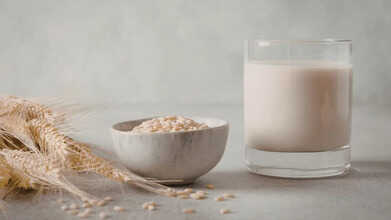
If you scroll through TikTok or Instagram these days, chances are you have come across videos of people blending oats with water or juice and calling the drink “oatzempic”.
The term is clearly inspired by Ozempic, a prescription drug mainly used to treat type 2 diabetes and known for reducing appetite. Clips featuring the oat-based drink often promise quick weight loss, long-lasting fullness, and a “natural substitute” for medication. But does oatzempic have any scientific backing? In short, no. Here’s a closer look at why.
What Is Oatzempic?
There is no fixed formula for oatzempic. Most videos show people blending one or two tablespoons of rolled oats with a glass of water. Some add lemon or lime juice, cinnamon, or soak the oats beforehand. Oats are high in beta-glucan, a form of soluble fibre that turns gel-like when mixed with liquid. The idea is that drinking this mixture will help you feel full and curb hunger.
Many TikTok creators suggest replacing breakfast with oatzempic. Others recommend drinking it mid-afternoon to avoid overeating later.
Oatzempic: What Happens When You Drink It?
As per The Independent, many people online say they feel fuller after drinking oatzempic, which makes sense. Oats contain beta-glucan, a soluble fibre that forms a thick gel in the digestive tract. This slows digestion and can increase feelings of fullness. Strong evidence shows that diets rich in viscous soluble fibre, such as that found in oats, can modestly improve appetite control, blunt blood sugar spikes after meals, and support healthier cholesterol levels.
That said, oats are not unique in this respect. Foods like apples, citrus fruits, flaxseeds, barley, psyllium husk, and legumes such as beans and lentils also contain soluble fibres that behave in a similar way in the gut, promoting fullness and overall health. So yes, oats can help you feel satisfied. But feeling full alone does not equal lasting or meaningful weight loss.
Sustainable weight management depends on balanced eating and regular physical activity, not just appetite suppression.
Has Oatzempic Actually Been Studied For Weight Loss?
No. There are no clinical studies examining the “oatzempic drink” for weight loss, appetite regulation, or long-term health effects. There is no agreed recipe, no standard quantity, and no research following its use over time.
If someone loses weight while drinking it, it is difficult to know whether that change is due to oatzempic itself, reduced calorie intake overall, or other lifestyle adjustments happening at the same time.
Oatzempic: Are There Downsides To Consider?
For most people, drinking small amounts of oatzempic is unlikely to be harmful. Still, there are a few points worth keeping in mind:
- It is not a complete meal. Oatzempic lacks adequate protein, healthy fats, and several essential nutrients. Regularly replacing meals with it could lead to nutrient deficiencies or under-eating
- Increasing fibre too quickly can cause discomfort. People who are not used to high-fibre diets may experience bloating or digestive issues, particularly if they are not drinking enough fluids
- The name itself can be misleading. Calling it “oatzempic” encourages comparisons with a prescription drug, which may wrongly suggest it has similar effects
- It may delay proper care. Relying on a viral drink instead of seeking evidence-based nutrition or medical advice could stop people from getting the support they actually need.
- Follow Us :


© 2024 Bennett, Coleman & Company Limited