
- Health Conditions A-Z
- Health & Wellness
- Nutrition
- Fitness
- Health News
- Ayurveda
- Videos
- Medicine A-Z
- Parenting
Don't Skip The Greens! Broccoli And Celery May Help Prevent Grey Hair

Grey Hair (Credit: Canva)
Green vegetables are good for health—they hydrate us, keep our skin glowing and boost the functioning of our organs by providing the required nutrition and antioxidants. But what if we tell you that they can also slow down signs of ageing?
A new study published in Antioxidants reveals that luteolin, an antioxidant found in broccoli and celery, may slow the progression of grey hair. Researchers from Nagoya University in Japan tested the effects of luteolin on genetically modified mice, designed to mimic early graying in humans. For their study, which was spread over 16 weeks, some mice received luteolin treatments orally or topically, while others went untreated.
All mice had around 20% grey hair at the start of the study. However, by the end of the study, untreated mice saw their grey hair rise to 60–80%, while those treated with luteolin showed little to no increase. This prompted researchers to conclude that luteolin helped mice maintain their original hair colour. It was because this antioxidant maintains endothelin, a peptide linked to hair pigment production. "When hair turns grey, it is due to the gradual loss of melanin from pigment cells in hair follicles," explained lead researcher Professor Masashi Kato. While age and genetics are major factors, diet, stress, and lifestyle choices also contribute.
Kato noted that while this research focused on animals, the findings might translate to humans. "A diet rich in luteolin could potentially slow greying, but more testing is needed," he underscored. Though genetics play the biggest role in grey hair, maintaining a nutrient-rich diet can support overall hair health. Researchers are hopeful this breakthrough could lead to treatments for slowing or even preventing grey hair in the future.
Besides broccoli and celery, here are nutrients that you must add to your diet to prevent grey hair
Calcium: You can include common sources of dairy in your diet like milk and yoghurt. You can also include dark leafy greens, and fortified cereals and aim for at least 3 servings.
Copper: It also helps in melanin production and creates new blood cells. If you lack copper then your energy levels can be impacted along with your hair pigmentation.
Iron: It is important for creating haemoglobin that carries oxygen throughout the body. Low iron levels may lead to premature greying. To control this, include meat, lentils, and dark leafy vegetables to your diet.
Protein (Keratin): It is found in hair that supports its length and health. You cannot consume keratin, however eating a protein-rich diet can help your body produce it naturally.
Vitamin Bs:
Vitamin B-5 (Pantothenic Acid): It aids in energy production and red blood cell creation.
Vitamin B-6: It is important for metabolism and the immune system and its deficiency can lead to dry hair.
Vitamin B-9 (Folic Acid): It supports amino acid metabolism, which is important for DNA and metabolic functions. Its deficiency can cause pigmentation changes in hair, skin, and nails.
Vitamin B-12: This is one of the most common reason why you may be greying your hair. You can eat meats, dairy and fortified cereals to combat the lack of vitamin B-12 in your body.
Vitamin D: It is linked with bone health, and also influences melanin production.
Zinc: It supports cellular protection and protein synthesis, which makes it essential for hair health.
You Should Not Be Taking These Supplements If You Care About Your Heart Health, Explains Expert
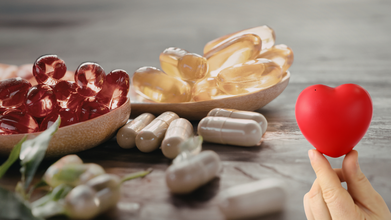
Credits: Canva
As per the data by the Centers for Disease Control and Prevention (CDC), someone in the US has a heart attack every 40 seconds. Every year, about 805,000 people in the US have a heart attack. In fact, heart disease is the leading cause of death for men, women, and people of most racial and ethnic groups. The data also notes that one person dies in every 34 seconds from cardiovascular disease.
Heart disease continues to top the list of health concerns across the world, and it has quietly become a daily conversation in homes too. From people in their 30s worrying about cholesterol to older adults counting steps on a smartwatch, protecting the heart has turned into a lifestyle goal. In that rush, supplements often feel like a shortcut. A capsule promises convenience, and convenience sounds like prevention.
But nutrition experts tell Eating Well the story is not that simple. Some supplements that look heart friendly on labels may actually increase risk when taken in high doses or without supervision. In many cases, the same nutrient from food helps the body, but the concentrated version inside a pill behaves very differently.
Below are the supplements experts say you should rethink if heart health is your priority. Isabel Vasquez, RD, LDN, and a registered dietitian writes for Eating Well, the six supplements one should avoid for better heart health.
Vitamin E: Helpful In Food, Risky In Pills
Vitamin E has long been associated with protection because it acts as an antioxidant. It supports cells and helps fight oxidative stress. Naturally, it became popular as a heart supplement.
However, experts warn that dosage changes everything.
According to nutrition professionals speaking to Eating Well, research now suggests high dose vitamin E supplements may increase the risk of heart failure and hemorrhagic stroke. Clinical trials also linked daily doses around 111 to 200 IU to greater stroke risk. Because of this evidence, disease prevention authorities advise against using vitamin E supplements to prevent cardiovascular disease.
The safer option is simple. Eat it instead of swallowing it. Nuts, seeds, vegetable oils and green vegetables provide vitamin E in balanced amounts the body can manage.
Calcium: Good For Bones, Complicated For Arteries
Calcium is almost always marketed for stronger bones, especially for women after menopause. But its relationship with the heart is more complicated.
Experts told Eating Well that large studies of randomized trials found calcium supplements increased cardiovascular disease risk by about 15 percent in healthy postmenopausal women. One possible reason is arterial calcification, where calcium deposits harden blood vessels over time.
This does not mean calcium supplements are always wrong. They may still be useful when dietary intake is insufficient or osteoporosis risk is high. The key message from experts is guidance matters. A doctor should determine whether you need it and how much.
Food sources like dairy, fortified plant milks and leafy greens remain the preferred option for routine intake.
Beware Of Energy And Weight Loss Supplements
Many people take energy boosters for workouts or weight loss powders for quick results. The problem lies in the stimulants hiding inside them.
Experts explain to Eating Well that many such products contain high caffeine concentrations or compounds similar to ephedra. Unlike coffee or tea, which come with other beneficial plant compounds and moderate dosing, supplements deliver concentrated stimulation.
This can strain the cardiovascular system, raise blood pressure, increase heart rate and potentially elevate long term heart disease risk.
In simple terms, your heart treats these powders less like a beverage and more like a stress test.
Beta Carotene Is Not For Smokers
Beta carotene is another antioxidant that works beautifully in food. Carrots, spinach and tomatoes provide it naturally along with fiber and other protective nutrients.
But supplement form changes the equation, particularly for smokers.
Evidence reviewed by prevention experts shows daily doses around 20 to 30 milligrams were associated with higher cardiovascular death risk in smokers. Researchers believe interactions with compounds in tobacco smoke may trigger harmful effects.
Again, the message repeats itself. Eat colorful vegetables, skip the capsule unless prescribed.
Licorice Root May Have Hidden BP Danger
Licorice supplements are often marketed for digestion, menopause relief and immunity. Yet the evidence supporting these benefits remains weak.
Experts told Eating Well the real concern is glycyrrhizin, a compound in licorice that causes the body to retain sodium. This can raise blood pressure significantly and increase cardiovascular strain, especially in people already dealing with hypertension.
Even products where licorice appears as a secondary ingredient can cause issues when taken regularly.
Red Yeast Rice Could Have Drug Like Risks
Red yeast rice is frequently advertised as a natural cholesterol solution. Its active compound, monacolin K, works similarly to the cholesterol lowering drug lovastatin.
That similarity is exactly why experts urge caution.
According to nutrition professionals interviewed by Eating Well, red yeast rice supplements may cause muscle, kidney and liver damage. The bigger issue is unpredictability. Manufacturers often do not disclose the amount of active compound and some products have even been found to contain prescription drug levels.
A supplement that behaves like medication should be treated like medication, meaning medical supervision is necessary.
What Actually Protects The Heart
Experts emphasize that heart protection rarely comes from a bottle. The fundamentals still work best:
- Regular movement strengthens the heart and improves circulation
- Stress control lowers inflammation and blood pressure
- Good sleep supports metabolic and vascular health
- A diet rich in fruits, vegetables, whole grains, lean proteins and plant oils consistently lowers disease risk
In other words, the boring advice keeps winning. Supplements may look modern, but lifestyle habits remain the real prevention strategy.
Before adding any pill to your routine, experts suggest asking one simple question: do you need it, or does your body just need better food and daily habits?
Should You Be Eating Overnight Oats?
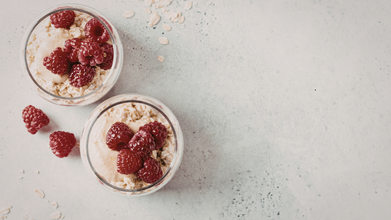
Credits: Canva
Mornings rarely go as planned. Someone cannot find their keys, the alarm rings too late, or the commute suddenly looks longer than expected. In that rush, breakfast is often the first thing sacrificed. A cup of tea, maybe a biscuit, sometimes nothing at all.
That is why easy “grab and go” breakfasts have become a small survival tool in modern life. Smoothies, protein bars and packaged cereals promise speed, but many people now want something that feels both convenient and genuinely nourishing.
Enter overnight oats. The humble jar sitting in the fridge overnight has quietly turned into a breakfast trend across social media and nutrition clinics alike. But are overnight oats actually healthy or just another wellness fad?
What exactly are overnight oats and why people like them
Overnight oats are simply raw oats soaked in liquid for several hours, usually in the refrigerator. Instead of cooking them on the stove, time does the work. The oats absorb the liquid and soften into a creamy porridge by morning.
The base is usually rolled oats mixed with milk or a plant alternative. After that, people customize endlessly. Fruits, nuts, seeds, peanut butter, cocoa powder, yogurt or spices like cinnamon often go in. The result feels less like diet food and more like dessert you can justify eating at 8 am.
Part of the appeal is practical. You prepare it the night before, close the lid and forget about breakfast anxiety the next day. It travels well and does not require reheating, which matters for commuters and students.
But convenience alone does not make something healthy.
Why overnight oats can be good for you
Oats themselves carry most of the nutritional weight. They contain complex carbohydrates and a soluble fiber called beta glucan. This fiber slows digestion, which means energy releases gradually instead of spiking and crashing. Many people notice they stay full longer compared to refined breakfast foods.
Beta glucan also supports heart health by helping lower LDL cholesterol. That is one of the reasons oats have been recommended in heart friendly diets for years.
Then come the add ons. Chia seeds and flax seeds contribute omega 3 fats and extra fiber. Nuts add healthy fats and protein. Milk or fortified plant milks provide calcium and vitamin D for bone health. Fruits add antioxidants and vitamins.
Together, a well balanced jar can offer carbohydrates for energy, protein for satiety and fats for sustained fullness. It becomes closer to a complete meal than most quick breakfasts.
Another benefit is blood sugar control. Because digestion is slower, overnight oats tend to produce steadier glucose levels than sugary cereals or pastries. That matters for people trying to manage hunger, weight or insulin resistance.
The catch: healthy depends on how you make it
Overnight oats can easily cross into dessert territory. Honey, maple syrup, chocolate chips and large amounts of nut butter can quietly double the calorie count. A small jar can become heavier than a full meal without you noticing.
People with diabetes or insulin resistance should especially be mindful of added sweeteners and portion size. Even natural sugars affect blood sugar.
There is also the fiber factor. The same fiber that supports gut health can cause bloating in some people, especially if they suddenly increase intake. Starting with smaller portions often helps.
Finally, variety matters. Eating the exact same breakfast daily limits the range of nutrients your body receives across the week.
So, are overnight oats healthy?
Yes, they can be. Overnight oats are one of the more balanced quick breakfasts available when built thoughtfully. Oats, fruit, seeds and a protein source create a filling and steady start to the day.
They are not magic food and not automatically healthy either. The benefits depend entirely on ingredients and portions.
Still, compared with skipping breakfast or grabbing processed fast food, a simple jar waiting in the fridge is often a meaningful upgrade. In a rushed morning, sometimes the healthiest habit is simply planning ahead the night before.
Eating Red Meat Can Increase Your Risk Of Diabetes, Study Shows

Red meat, especially processed varieties such as sausages and deli meats, can significantly increase your odds of developing diabetes, a British Journal of Nutritionstudy shows.
Researchers found that those who ate high quantities of red meat had a 49 percent more risk of developing the chronic disease than their counterparts. Additionally, the risk was similar for processed red meat (47 percent higher) and somewhat lower, but still significant, for unprocessed red meat (24 percent higher).
Each extra daily serving of total red meat was linked to a 16 percent higher risk of diabetes. Each serving of processed or unprocessed red meat was linked to about a 10 percent higher risk. The study did not clarify whether eating red meat paved the way for Type 1 or 2 diabetes.
Replacing red meat with plant-based protein sources, poultry, dairy products, and whole grains was associated with a lower odds of diabetes, but not with a proven risk reduction.
Plant-based proteins showed the strongest statistical association in substitution models. These results illustrate that diet is a potentially modifiable factor associated with diabetes prevalence, although the cross-sectional design precludes conclusions regarding prevention or causation.
What Is Diabetes?Diabetes is a condition characterized by high blood sugar (glucose) levels. It develops when the pancreas either doesn't produce enough insulin, doesn't produce any insulin at all, or when the body doesn't respond properly to insulin, a condition known as insulin resistance.
Type 2 diabetes is the most common form of diabetes and occurs when your body doesn't use insulin properly. The risk of developing Type 2 diabetes increases if you are overweight or obese, or if you have a family history of the condition.
India today carries one of the heaviest diabetes burden in the world. This is a crisis that is not just driven by genetics, but also by rapid urbanization, sedentary routines, shifting diets, stress, and late diagnosis.
With over 101 million Indians currently living with diabetes in India, and 136 million in the pre-diabetic stage, as stated by the latest ICMR estimates, the country is facing an epidemic. This threatens to overwhelm the healthcare system in the coming years.
According to Dr. Hetashvi Gondaliya, the surge is largely due to “unhealthy dietary habits, physical inactivity, stress, and obesity,” adding that India is witnessing a rise in both Type 2 diabetes and prediabetes among younger people.
She emphasizes that early screening, lifestyle modification, and weight management are no longer optional, they are essential.
The biggest challenge in India’s diabetes landscape is late diagnosis. Many people discover their condition only after developing complications.
Dr. Ankur Gehlot, Additional Director of Diabetes & Endocrinology at CK Birla Hospitals, stresses that early recognition, especially in high-risk groups, can prevent long-term complications.
However, experts say that there is still hope. With early screening, community support, technological advances, and sustained lifestyle changes, the trajectory can be reversed.
What Other Risks Can Red Meat Increase?
Gaining weight by eating too many lamb chops or beef burgers is not the only risk. A study published in Molecular Nutrition & Food Research suggests that red meat might be less of a comforting indulgence and more of a gut irritant.According to researchers at Capital Medical University in China, diets overloaded with pork, beef, or mutton could stoke inflammation inside the digestive system, potentially worsening gut-related disorders.
One of the most striking findings was how red meat tampered with the gut microbiome—the trillions of tiny organisms that work quietly to regulate digestion and immunity. In the study, mice on red meat lost beneficial bacteria, particularly those that protect the gut lining and keep inflammation low. In their place, harmful microbes took over, making the digestive tract more vulnerable.
People with conditions like Crohn’s disease or ulcerative colitis often report flare-ups after eating red meat. The study offers a possible explanation for this: the combination of heightened inflammation and a disrupted microbiome makes the gut more sensitive. For those already battling IBD, red meat might be less of a protein-packed friend and more of a troublemaker.
- Follow Us :


© 2024 Bennett, Coleman & Company Limited