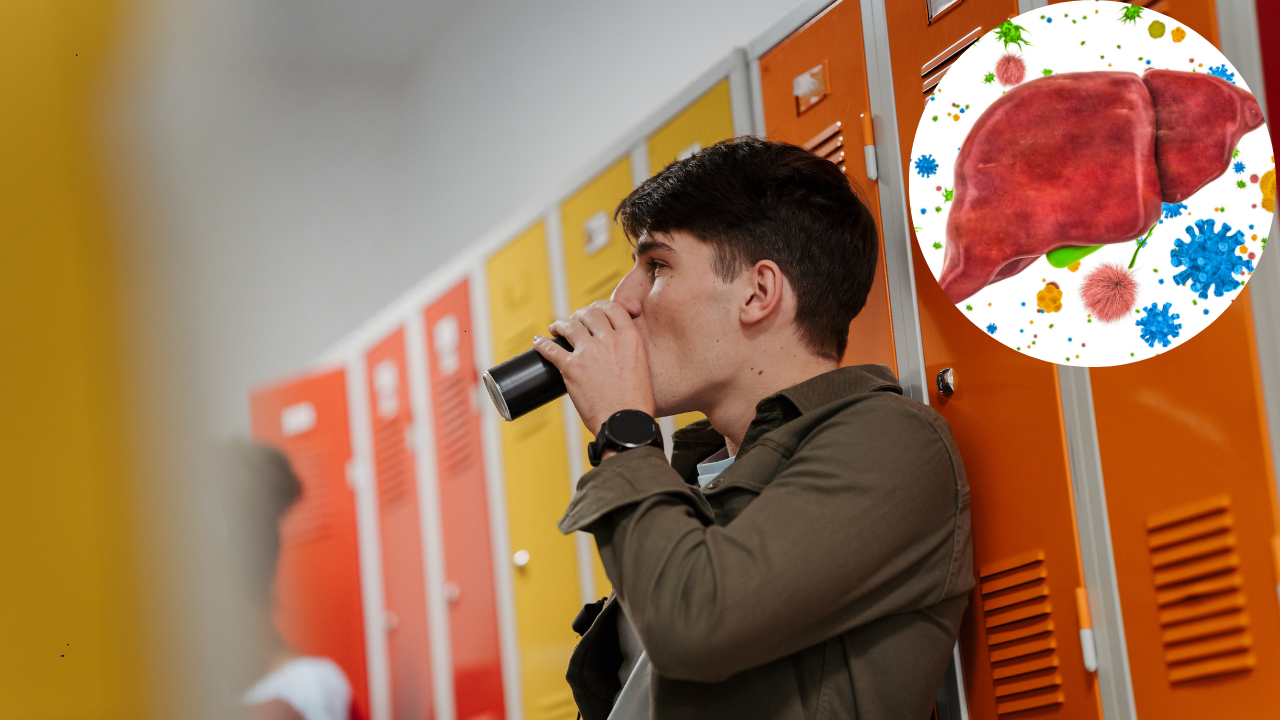
Excessive consumption of energy drinks is emerging as a significant contributor to liver damage among the country’s youth, said health experts on the occasion of World Liver Day today.April 19 is observed worldwide as World Liver Day. The theme this year is “Solid Habits, Strong Liver".Dr. Abhideep Chaudhary, President of the Liver Transplantation Society of India (LTSI) and Chairman and Head, Department of HPB and Liver Transplantation, BLK-Max Hospital, New Delhi, said that over the past few years, there has been a significant increase in young patients presenting with liver dysfunction. "Three major contributors stand out — energy drinks, alcohol, and high-sugar beverages. Energy drinks, often perceived as harmless, contain high levels of caffeine, sugar, and chemical additives that place immense stress on the liver," the doctor said.Recent medical studies have also highlighted the harmful impact of energy drinks on liver health. A widely cited case published in the journal BMJ Case Reports documented acute hepatitis in a previously healthy individual linked to excessive energy drink consumption, primarily due to high levels of niacin (Vitamin B3), which in large doses is known to be hepatotoxic. Additionally, research indicates that the combination of high sugar content, caffeine, and chemical additives in these drinks can trigger fat accumulation in liver cells, oxidative stress, and inflammation — all of which contribute to liver injury over time. Also read: World Liver Day 2026: Origin, Theme, and SignificanceExperts note that when consumed frequently, especially alongside alcohol or unhealthy diets, these beverages significantly increase the risk of developing non-alcoholic fatty liver disease (NAFLD), also known as Metabolism-Associated Fatty Liver Disease (MAFLD). "Alcohol continues to be a leading cause of liver disease, and sugary drinks contribute to fatty liver disease," Dr. Chaudhary said, adding that together, these are creating a perfect storm, and the number of cases is steadily rising. If liver damage progresses beyond a certain point, a liver transplant often becomes the only life-saving option.Young Adults More AffectedMedical experts emphasize that energy drinks are aggressively marketed to young consumers as performance enhancers and fatigue relievers. However, these drinks often contain caffeine levels far exceeding recommended daily limits, along with substances such as taurine and herbal stimulants, which the liver must metabolize. Over time, this biochemical overload can impair liver function.Also read: Lancet Study Shows Metabolic Liver Disease To Rise Over 38% By 2050: What’s Behind The SurgeIndia is witnessing a concerning rise in non-alcoholic fatty liver disease, with studies suggesting that nearly 25–30 per cent of the urban population may be affected, including a growing number of adolescents and young adults. High consumption of sugary beverages is a key driver, contributing to insulin resistance and fat deposition in the liver. Dr. Neerav Goyal, President-Elect of LTSI and Head, Liver Transplant, Hepatobiliary and Pancreatic Surgery, Indraprastha Apollo Hospital, New Delhi, said that patients in their 20s and 30s are more affected by the conditions, which were once seen primarily in older individualsEnergy drinks and sugary beverages are contributing to "fat accumulation in the liver, inflammation, and long-term damage," Dr. Goyal said.The doctors also warned against the increasingly popular trend of mixing energy drinks with alcohol. “From a clinical standpoint, we are clearly observing a pattern where lifestyle choices are directly impacting liver health at a younger age," said Dr. Charles Panackel, Senior Consultant, Hepatology at Aster Medcity Kochi. The expert noted that while the liver is a resilient organ, continuous exposure to these harmful substances leads to progressive damage — from fatty liver to inflammation, fibrosis, and even cirrhosis. Also read: Fatty Liver Disease Driving Fertility Issues In India, Doctors WarnWhy Awareness Is Critical Awareness is critical because early-stage liver disease is often reversible if addressed in time, the experts said. Parents, schools, and policymakers must also play an active role in educating young people about the hidden dangers of these beverages. Some preventive steps for better liver health include: increasing awareness campaigns targeting youth, stricter regulations for energy drinks labeling of high-caffeine and high-sugar beverages, proactive lifestyle changes reducing consumption of processed drinks, avoiding alcohol-energy drink combinations, maintaining a balanced diet, engaging in regular physical activity.early screening.