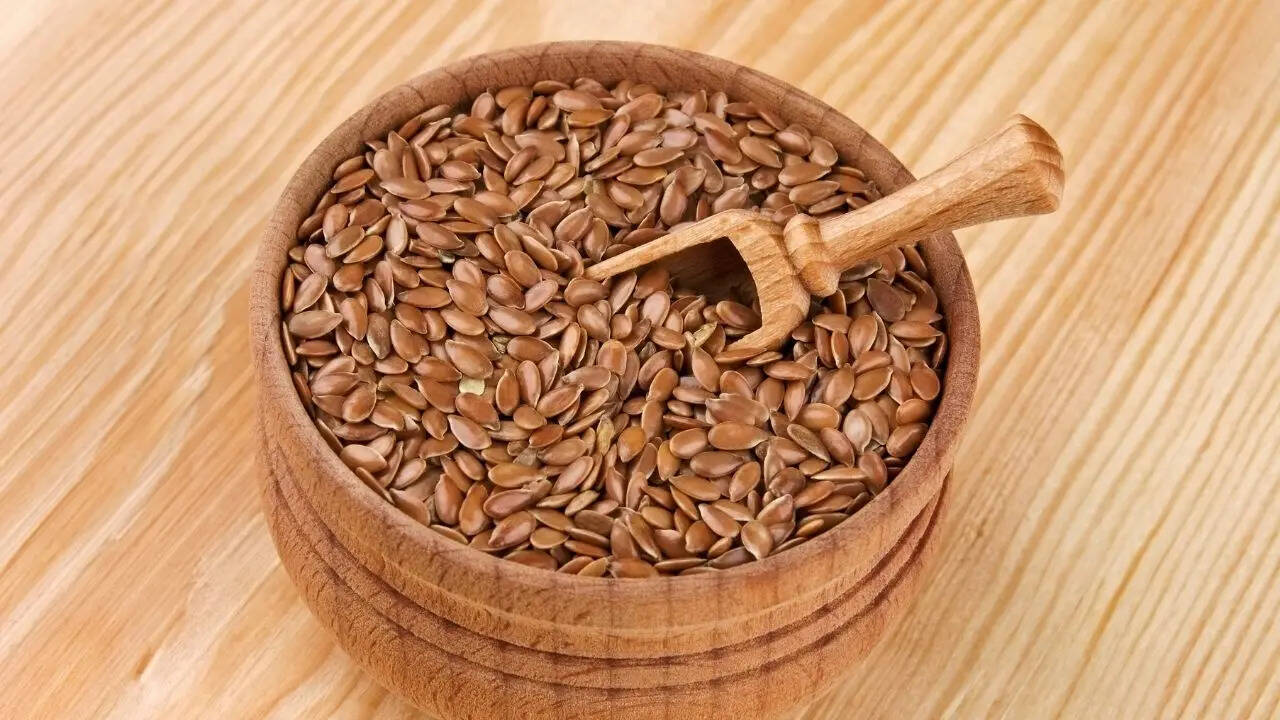
Seeds are one of the easiest foods to snack on. They are portable, crunchy, and packed with nutrients. But with so many options available, choosing the right one can feel confusing.If you are deciding between two popular choices, flaxseeds and pumpkin seeds, it helps to know that they differ quite a bit in terms of protein, fiber, and overall health benefits.Flaxseeds are small, with a mild, slightly nutty flavour, as explained earlier by Natalie Rizzo, a registered dietitian and nutrition editor at TODAY. Pumpkin seeds, on the other hand, have been ranked by Rizzo as one of the healthiest seeds you can eat, mainly because they are rich in essential minerals such as zinc, magnesium, and iron. Both seeds are nutritious, but each shines in its own way. Here is a closer look at how they compare.How Nutritious Are Flaxseeds?In a two-tablespoon serving of flaxseeds, you get approximately:110 calories4 grams of protein6 grams of carbohydrates6 grams of fiber9 grams of fatPumpkin Seeds NutritionA one-ounce serving of roasted pumpkin seeds contains around:163 calories8.5 grams of protein14 grams of fat4 grams of carbohydrates2 grams of fiberFlax Seeds vs Pumpkin Seeds: Protein IntakeProtein plays a key role in building and maintaining muscle strength. Nutrition experts generally suggest aiming for about 20 to 40 grams of protein per meal, along with some protein-rich snacks during the day.While both seeds offer protein, pumpkin seeds clearly come out ahead. A serving of pumpkin seeds contains more than double the protein found in a serving of flaxseeds. In fact, pumpkin seeds are among the most protein-rich seeds available, alongside sunflower and hemp seeds.One serving of pumpkin seeds provides about 8.5 grams of protein, which is more than what you get from an egg. Flaxseeds, by comparison, offer around 4 grams per serving. If boosting protein intake is your priority, pumpkin seeds are the better option.Flax Seeds vs Pumpkin Seeds: Fiber IntakeFiber is best known for supporting digestion, but it also helps regulate cholesterol levels and manage blood sugar. Despite its importance, many people struggle to get enough fiber in their daily diet.Most adults should aim for at least 25 grams of fiber a day, which can come from foods like vegetables, fruits, legumes, nuts, and seeds.When it comes to fiber, flaxseeds have a clear advantage. Pumpkin seeds provide about 2 grams of fiber per serving, while flaxseeds deliver a much higher 6 grams per serving.Flax Seeds vs Pumpkin Seeds: Fat IntakeFat often gets a bad reputation, but not all fats are harmful. Healthy fats help you feel full and support heart and brain health.Both flaxseeds and pumpkin seeds contain beneficial fats, mainly in the form of fatty acids. A serving of flaxseeds provides about 9 grams of fat, while pumpkin seeds contain around 14 grams. Both can be considered excellent plant-based sources of healthy fats that support overall well-being.Flax Seeds vs Pumpkin Seeds: Other NutrientsBeyond protein, fiber, and fat, both seeds contain additional compounds that support health.Flaxseeds are especially known for their heart-protective properties. They are rich in omega-3 fatty acids and lignans, which are anti-inflammatory compounds linked to improved cholesterol levels and better blood pressure control.Rizzo has also noted that the anti-inflammatory effects of flaxseeds, largely due to lignans, have been associated with reduced tumour growth in animal studies. Pumpkin seeds, meanwhile, stand out for their high levels of magnesium and zinc.Flaxseeds provide about 20 percent of the daily recommended intake of magnesium, while pumpkin seeds offer an even higher amount, around 37 percent. Magnesium supports metabolism, nerve function, bone strength, and heart health, and it has also gained attention for its role in improving sleep. Zinc is equally important, as it helps strengthen the immune system and supports proper wound healing.Pumpkin seeds also contain vitamin E, along with iron and calcium, according to registered dietitian and TODAY contributor Kristin Kirkpatrick.Should You Eat Flaxseeds or Pumpkin Seeds?Both flaxseeds and pumpkin seeds are nutritious, crunchy, and easy to add to meals. Whichever you choose, you will benefit from plant-based protein, gut-friendly fiber, and heart-healthy fats. Neither seed is strictly better than the other. The best choice depends on your personal health goals and how you plan to use them.If increasing protein intake is your main aim, pumpkin seeds are the stronger option. They also work well as pumpkin seed protein powder in smoothies, which is suitable for people avoiding dairy or nuts, as previously noted by TODAY.com.If you are focused on improving fiber intake, flaxseeds are the better pick. They can be sprinkled over yogurt, added to salads, mixed into granola, or used in baking. When ground into a meal or powder, flaxseeds can help thicken dishes like veggie burgers. When mixed with water, they form a gel that can even replace eggs in some recipes.Because whole flaxseeds may pass through the digestive system without fully breaking down, ground flaxseeds are often recommended to help your body absorb more nutrients.In the end, both flaxseeds and pumpkin seeds are healthy additions to your diet and can easily boost the nutritional value of your meals.