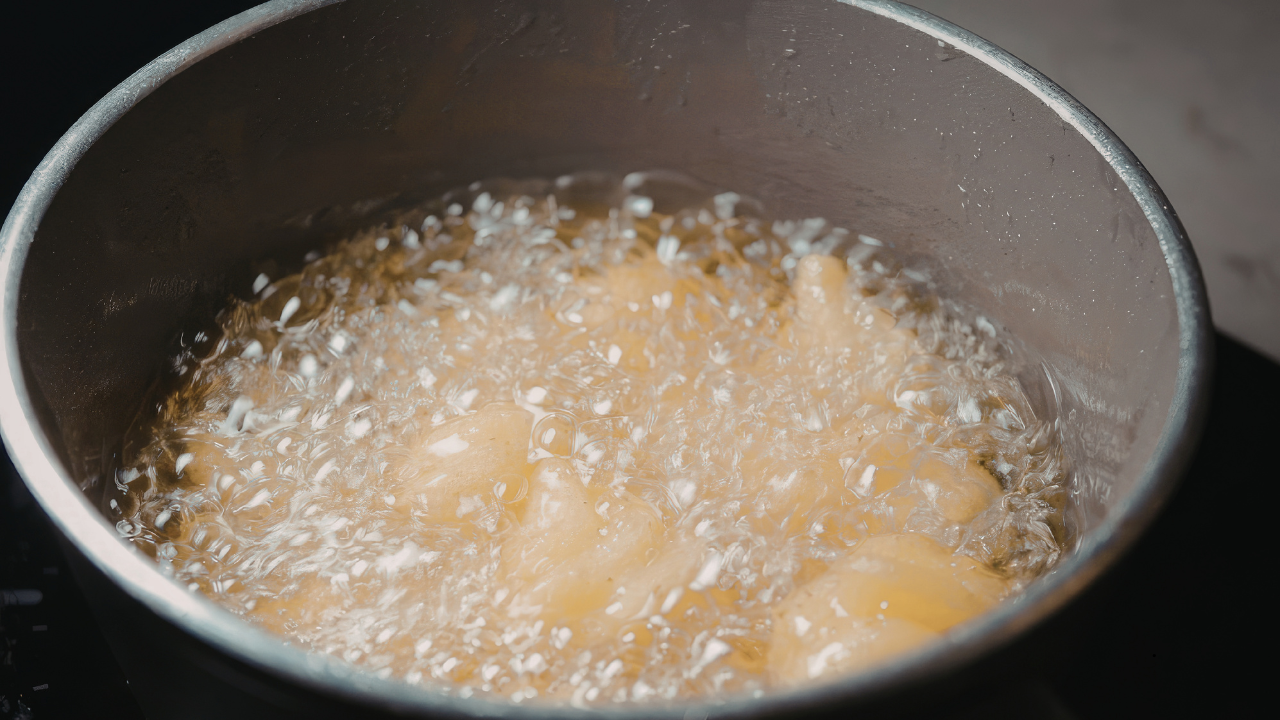
Food must be cooked to an internal temperature of at least 165°F, according to experts, in order to destroy E. coli. All food items, including meat and vegetables, fall under this category. To make sure the meal has reached the proper temperature and eradicate the bacteria, it's also critical to use a food thermometer.Exact cooking instructions are necessary since certain strains of E. coli are heat-resistant and may withstand temperatures as high as 160°F.Carrots that have been recalled should be thrown away or returned to the retailer, according to the Centers for Disease Control and Prevention. Additionally, the CDC advises using hot, soapy water or a dishwasher to clean any contaminated surfaces or objects.E.coli and contaminationE. coli contamination in vegetables can occur in many different ways. It is also often linked to the bacteria residing in the intestines of animals.During food processing, contamination happens if facilities lack proper hygiene or if workers fail to wash their hands thoroughly. Additionally, E. coli can spread through contaminated water, food, contact with animals, or infected individuals.Experts emphasize the importance of clean hands, safe food preparation practices, and consuming only safe water to reduce the risk of infection.Does Washing or Freezing Kill E. coli?Washing vegetables can remove dirt and reduce some surface bacteria. However, washing vegetables cannot eliminate E. coli entirely.Experts stress that no matter how thoroughly vegetables are washed, E. coli cannot be completely removed.Can freezing food also freeze the bacteria and eventually kill them? Freezing foods does not kill E. coli bacteria, suggest experts. So what does freezing do? While freezing may slow bacterial growth, once the food thaws, the bacteria can resume multiplying. This highlights the need for proper cooking rather than relying on washing or freezing to ensure safety.Why Are E. coli Outbreaks So Common?The growing number of outbreaks reflects issues within an industrialized and processed food supply chain. Experts point out that as food passes through multiple processing stages, the chances of contamination increase. Each step in the production and distribution process presents an opportunity for harmful bacteria like E. coli or listeria to infiltrate.In addition, growing antimicrobial resistance is making bacteria more resilient. The scale of modern food production and distribution also amplifies the impact of outbreaks, allowing contamination to spread far beyond localized areas. This has made it crucial to implement stricter testing and monitoring protocols in food facilities.How To Stay Safe?Consumers should dispose of any recalled items, thoroughly cook food to recommended temperatures, and maintain strict hygiene standards in food preparation. While industrial-scale food production offers convenience, it also necessitates greater attention to preventing contamination to protect public health.